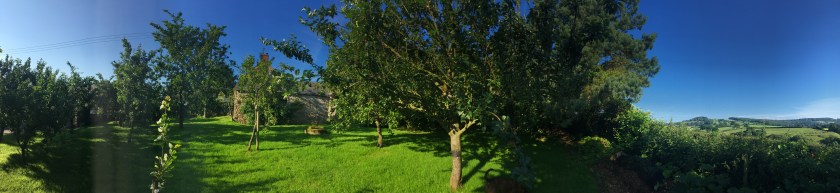
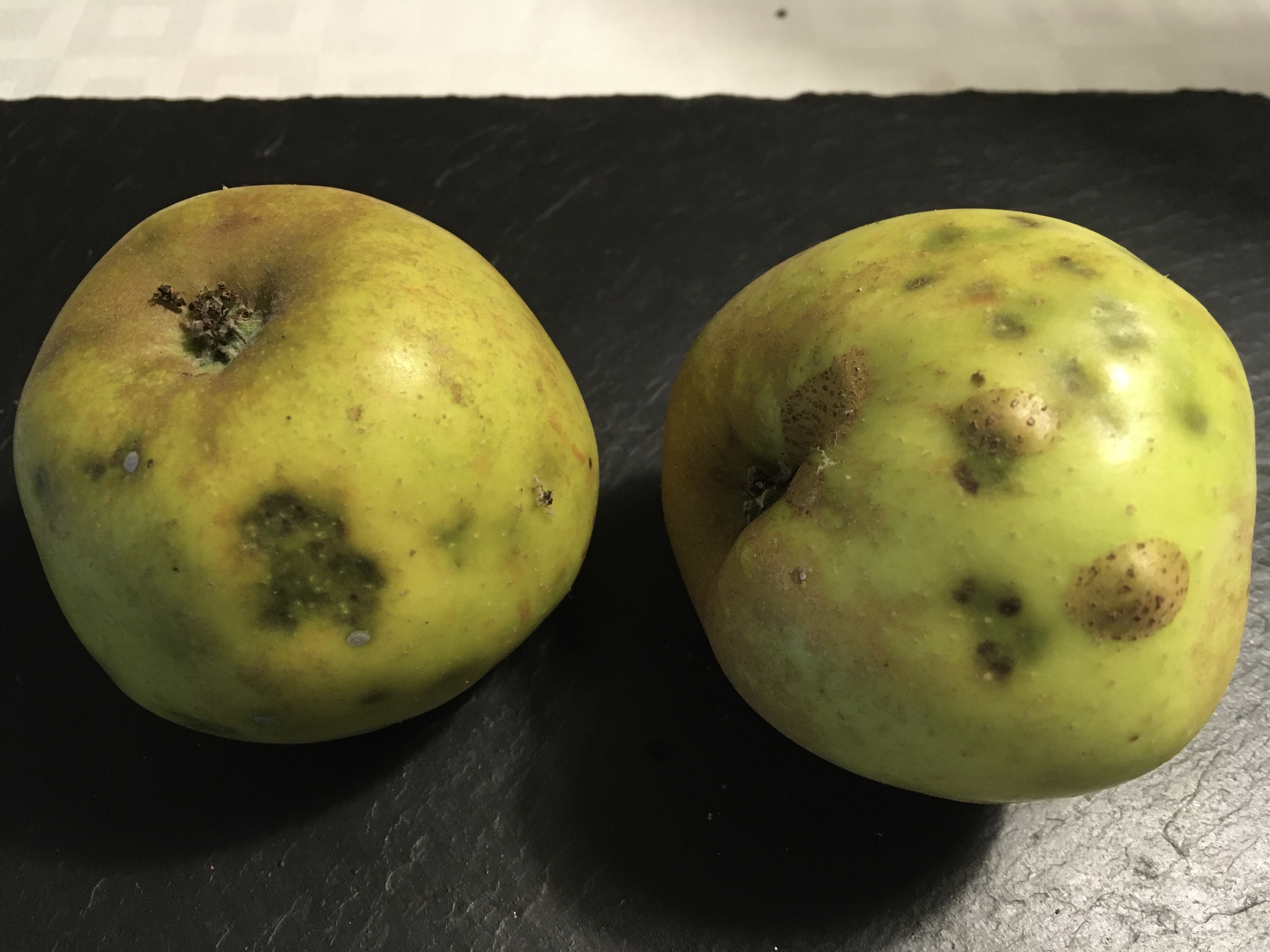
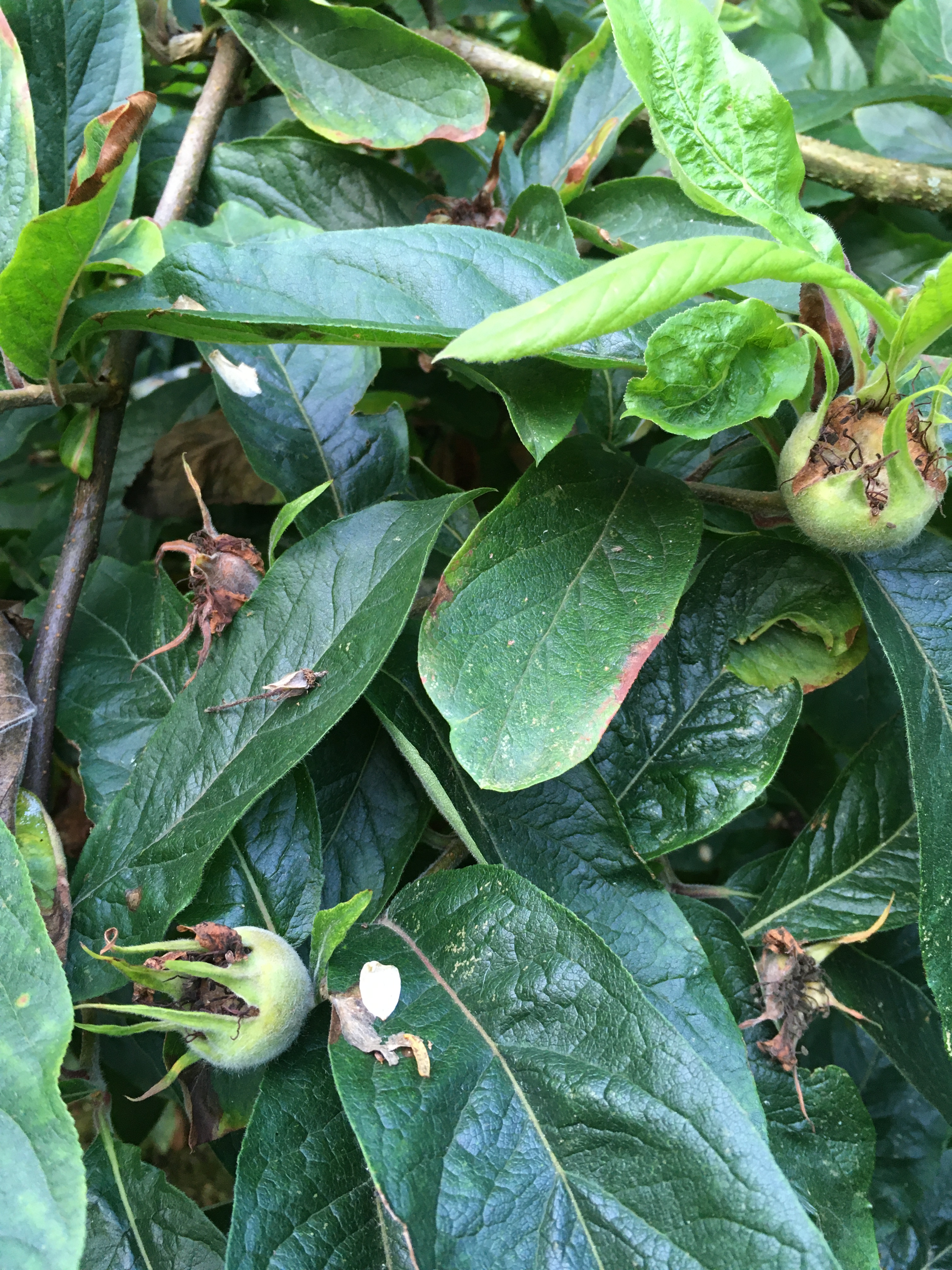
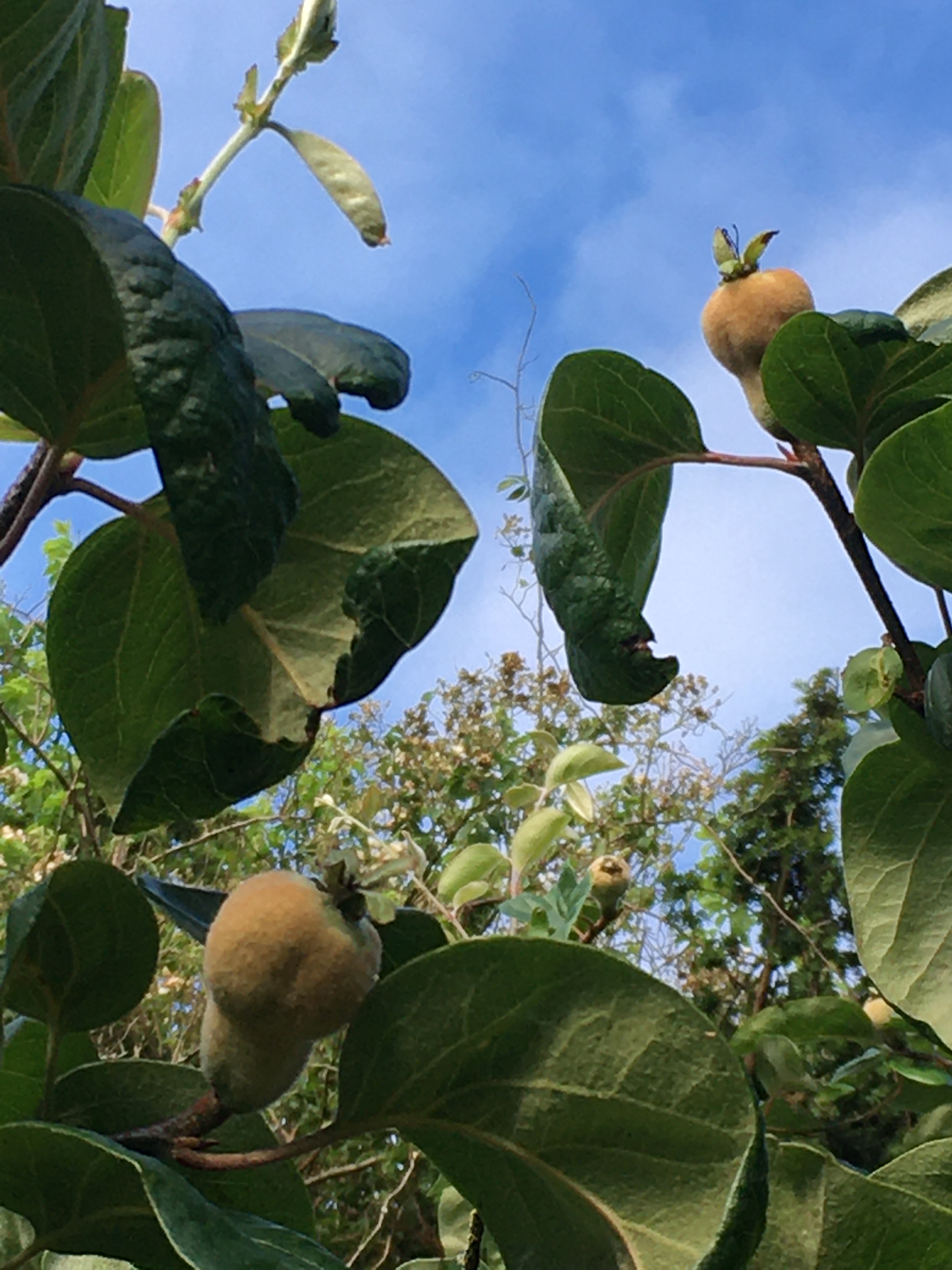
When we moved in last summer, we were so excited about our orchard – with pears, apples, plums, and a range of more unusual fruits like our quince, medlar, mulberry and fig trees. So when we lost half of the fruit to various problems such as bitter pit disease, codling moth and canker (a fungal injection), and to the resident birds and wasps (mainly the plums and mulberries, the latter which had been stripped before we even moved in), we were so disappointed.

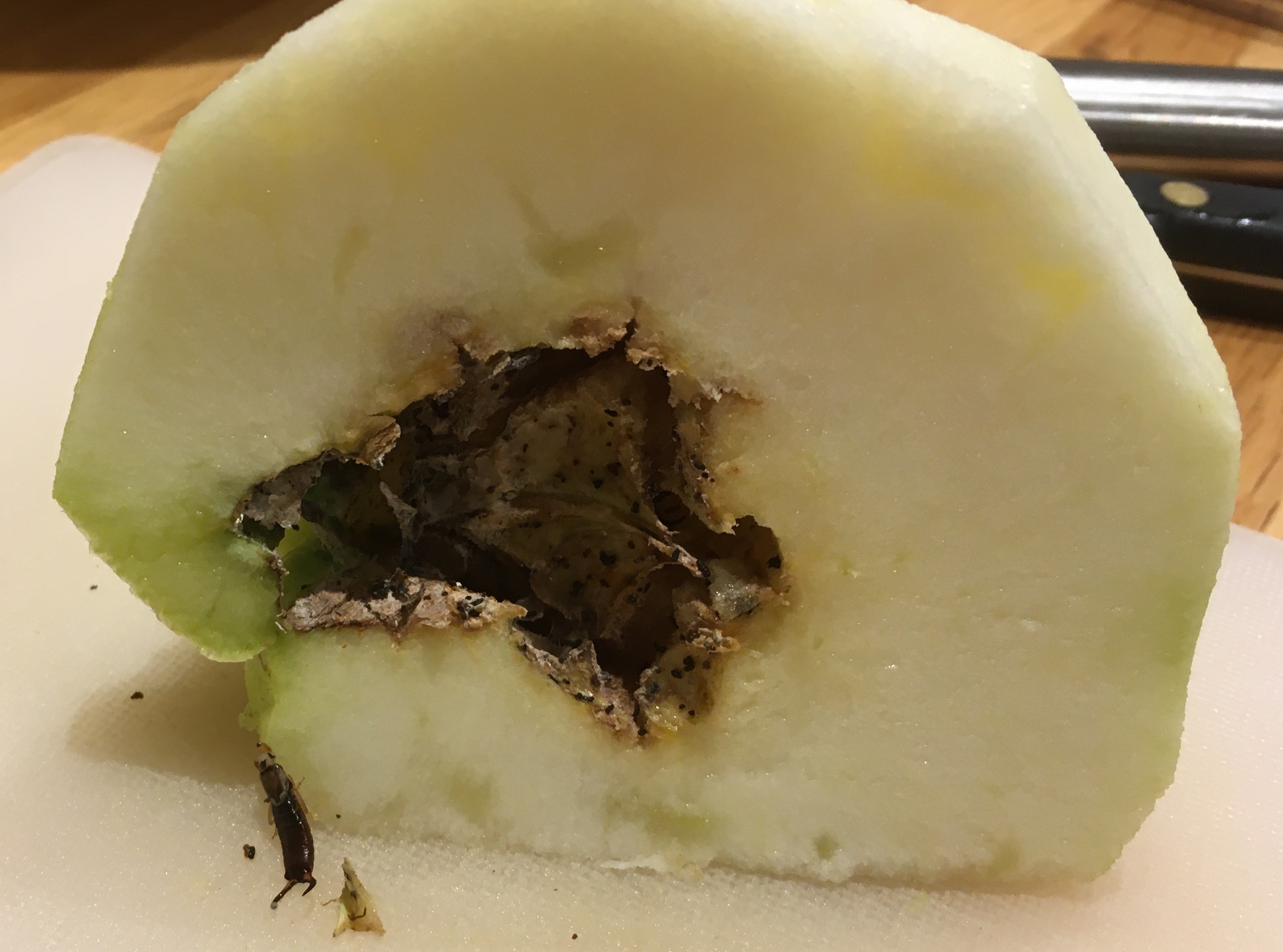
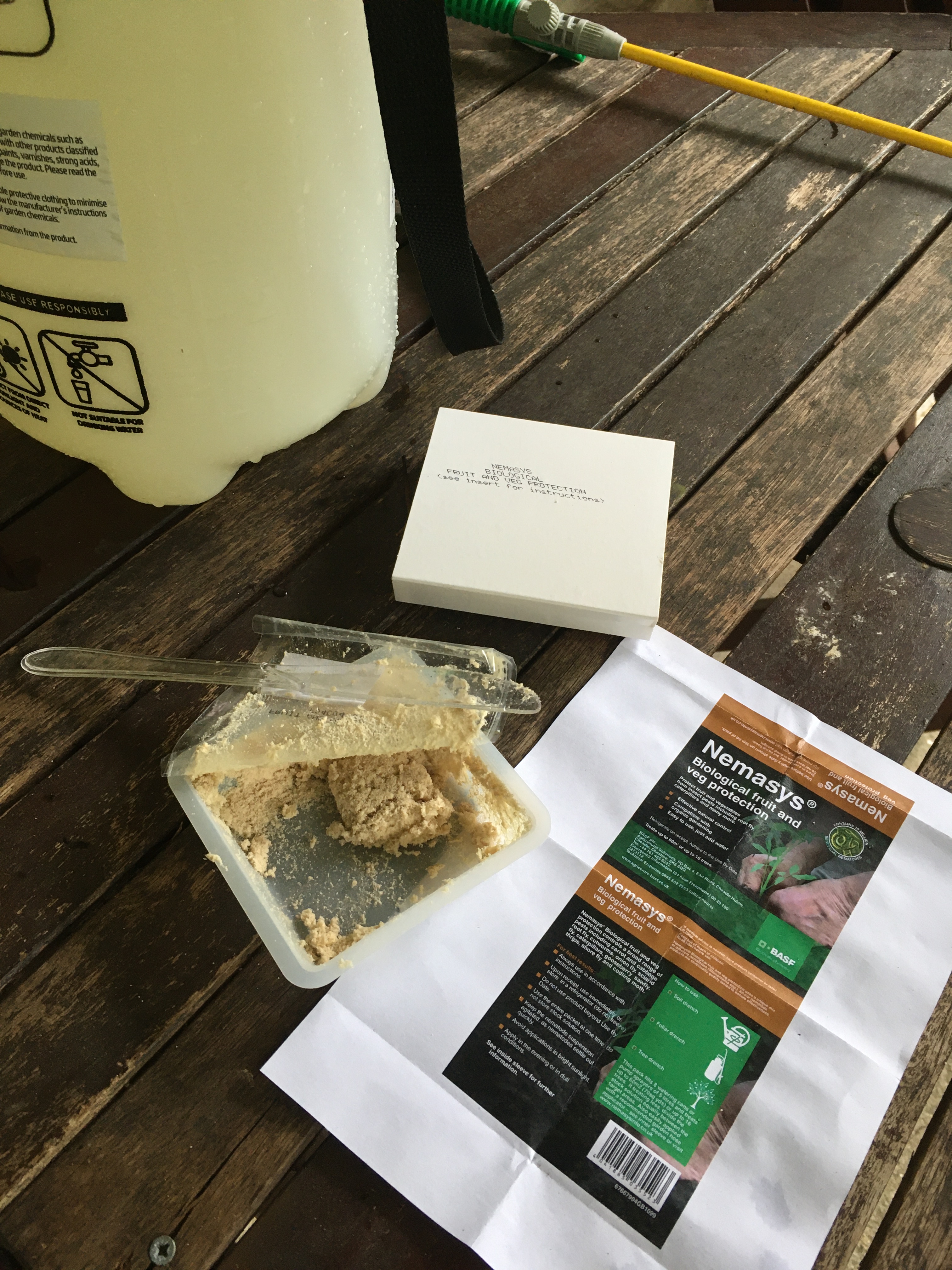
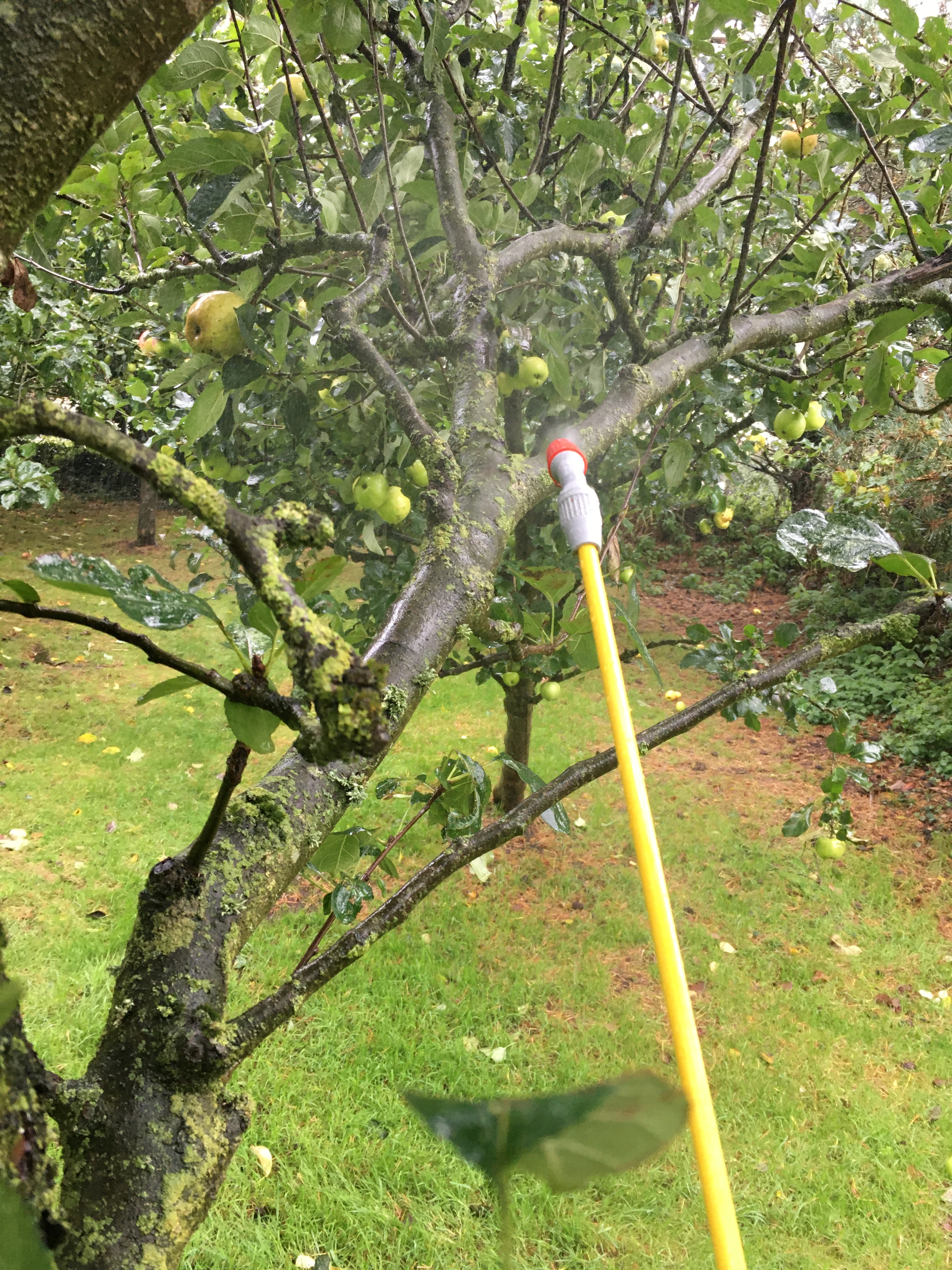
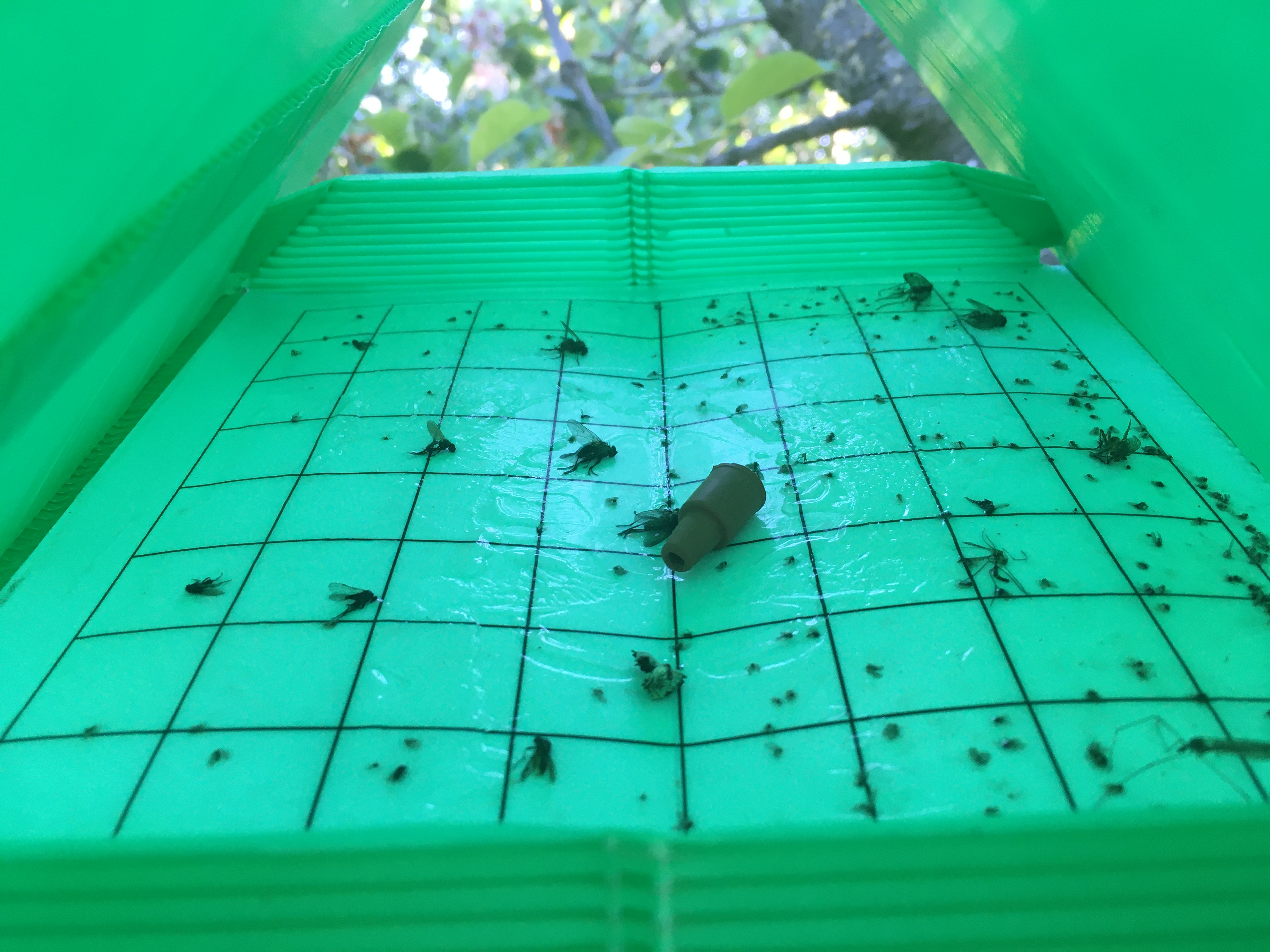
Over the last twelve months we’ve spent a lot of time and effort trying to protect the trees and keep the pests away. Our first move was to apply nematodes (worms) to prevent the codling moths from breeding – I can still remember the miserable few evenings standing in the rain and pumping out the nematode-filled water for hours, getting utterly soaked. But it seems to have worked – we put up codling and plum moth traps back in May and amazingly seem to have only caught a couple of moths and hundreds of flies – which reads to be a good sign.
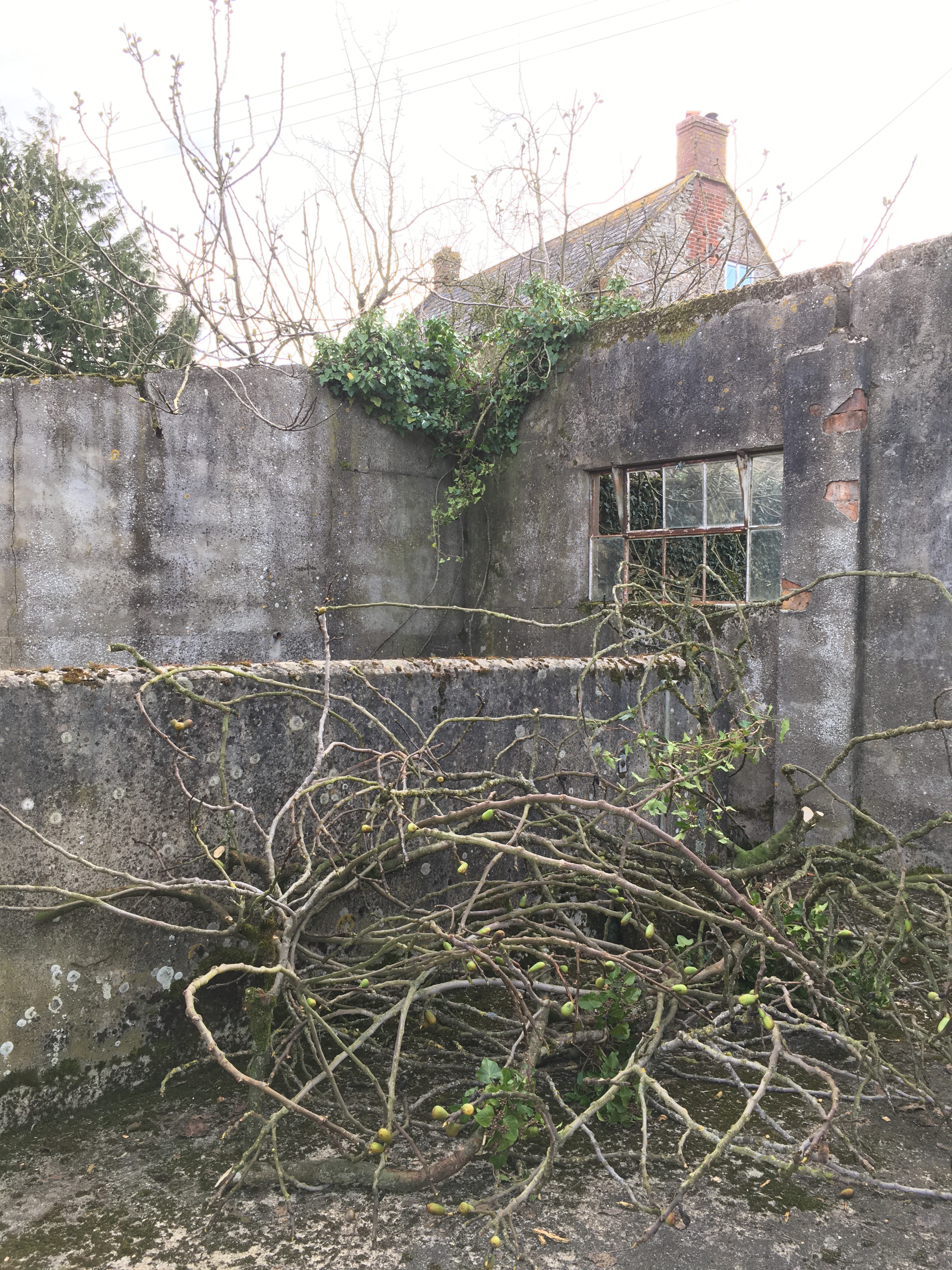
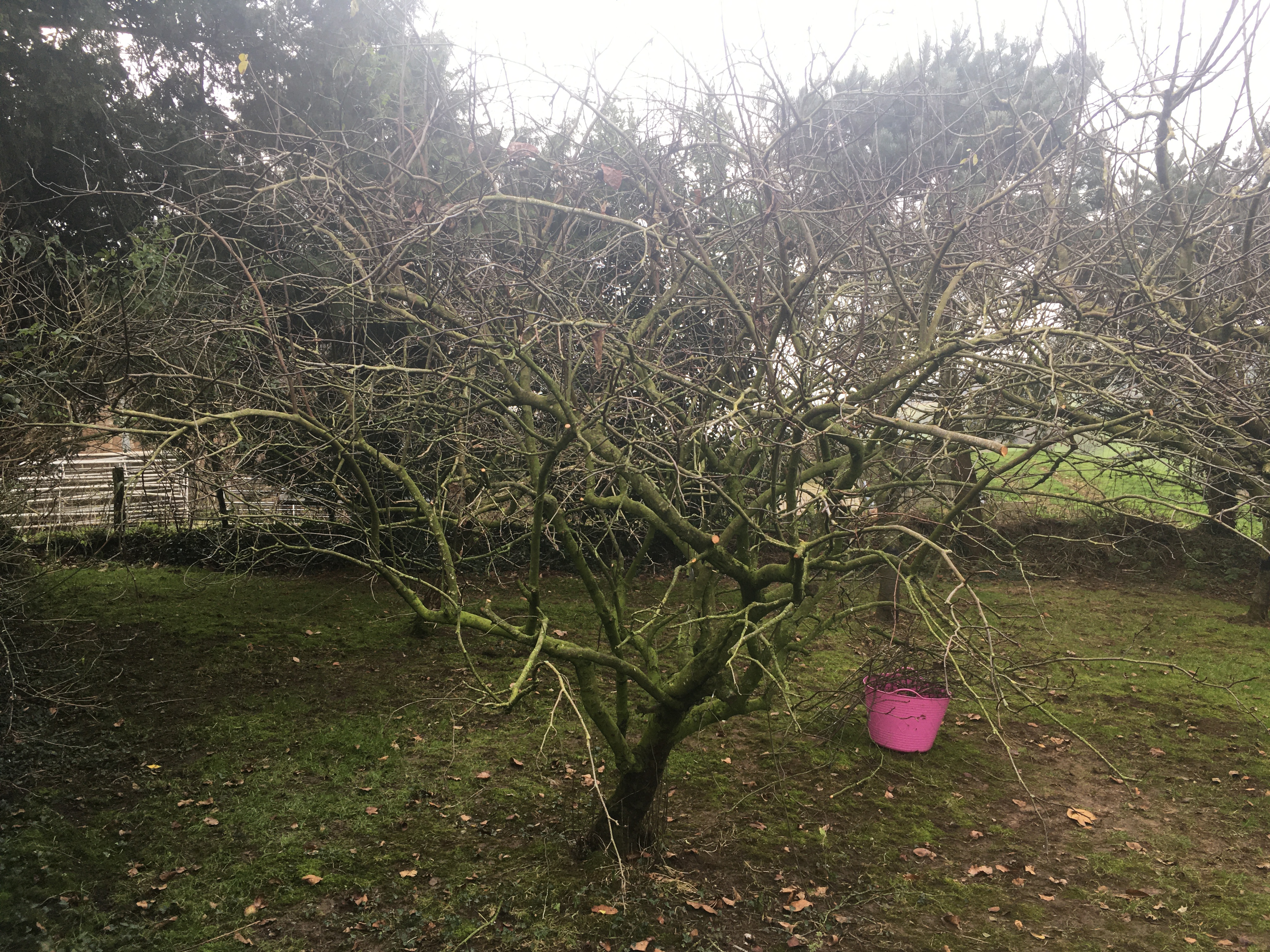
Our first ever pruning efforts were pretty awful – we’d been relying on timing a parental visit at the right time of year to help advise us, but covid lockdown meant this wasn’t possible and we needed to rely on pictures and various bits of advice. Typically – none of our trees looked like the trees in the ‘before’ pictures – being far more wild and overgrown – and as you’re only supposed to be cut back a certain amount of the tree each year to avoid overgrowth, we never got close to the ‘after’ image. Not helped by the fact that most of the trees are also suffering significantly from canker, which made the decision for us about which branches to prioritise removing. Even now we keep finding branches we missed with canker scars, and we’re just hoping the mulberry tree in particular recovers as the damage looks to go right through the centre of the branches back to the main trunk.

Spring and early summer also saw us applying potash and calcium fertiliser to feed the trees (although we’re late now with the second calcium fertiliser treatment so hoping that won’t be a problem). The countless bird feeders we’ve set up in the back garden seem to have distracted the birds away from the mulberries for now – although we’re only measuring this by the number of birds that have appeared in our back garden; the amount of food they’re getting through; and the fact we actually have mulberries growing whereas last year by the end of July we had none)… these mulberries had better be worth it!!
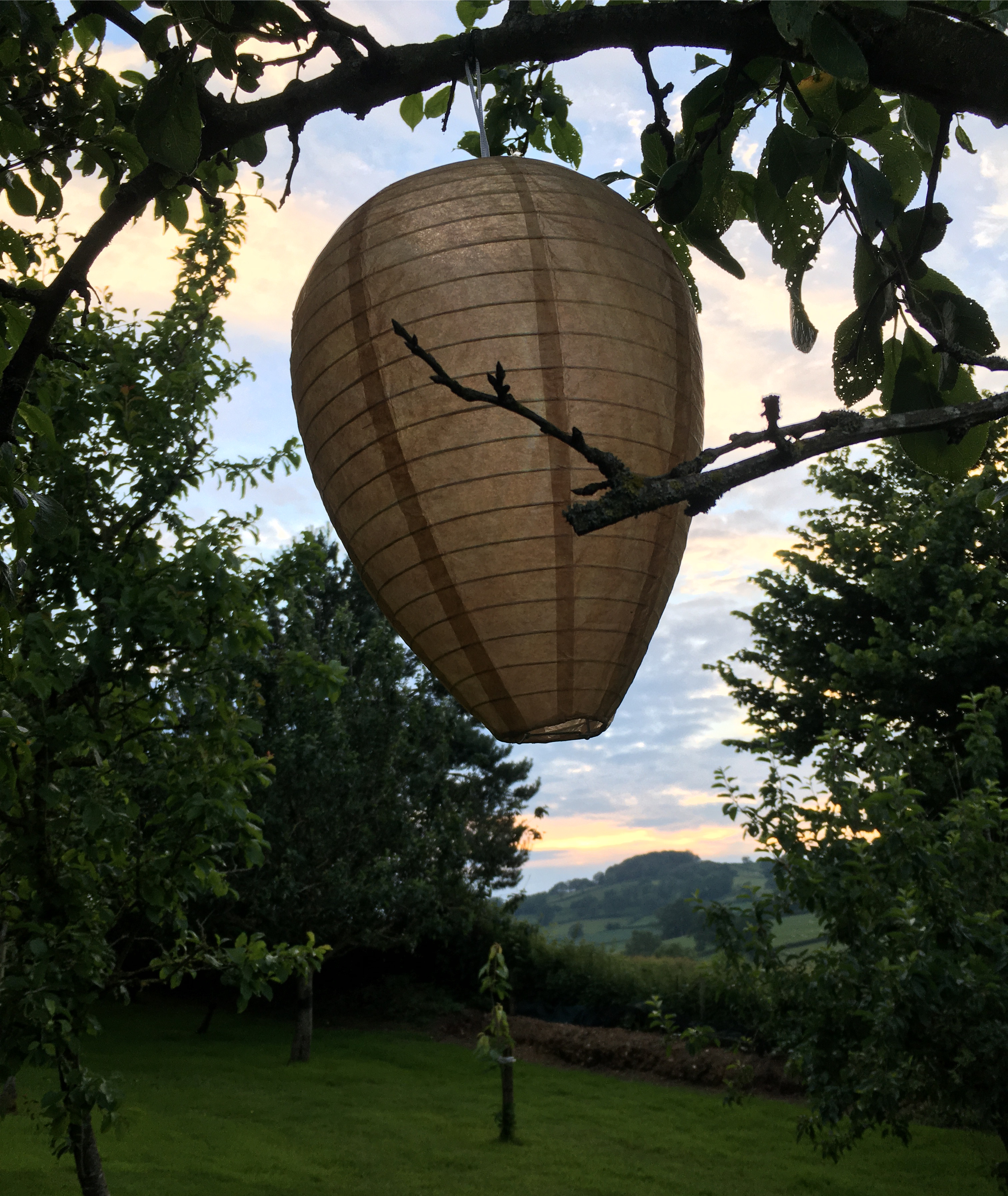
Staying on the unwanted visitor theme – we had some significant wasp interest last year – particularly around the plums and one particular apple tree. So early in the season, we hung decoy wasps nests to dissuade wasps from residing in the area. We’re unlikely to know whether it’s worked until the fruit ripens, but it’s given us some degree of comfort, even if it turns out to be short-lived!
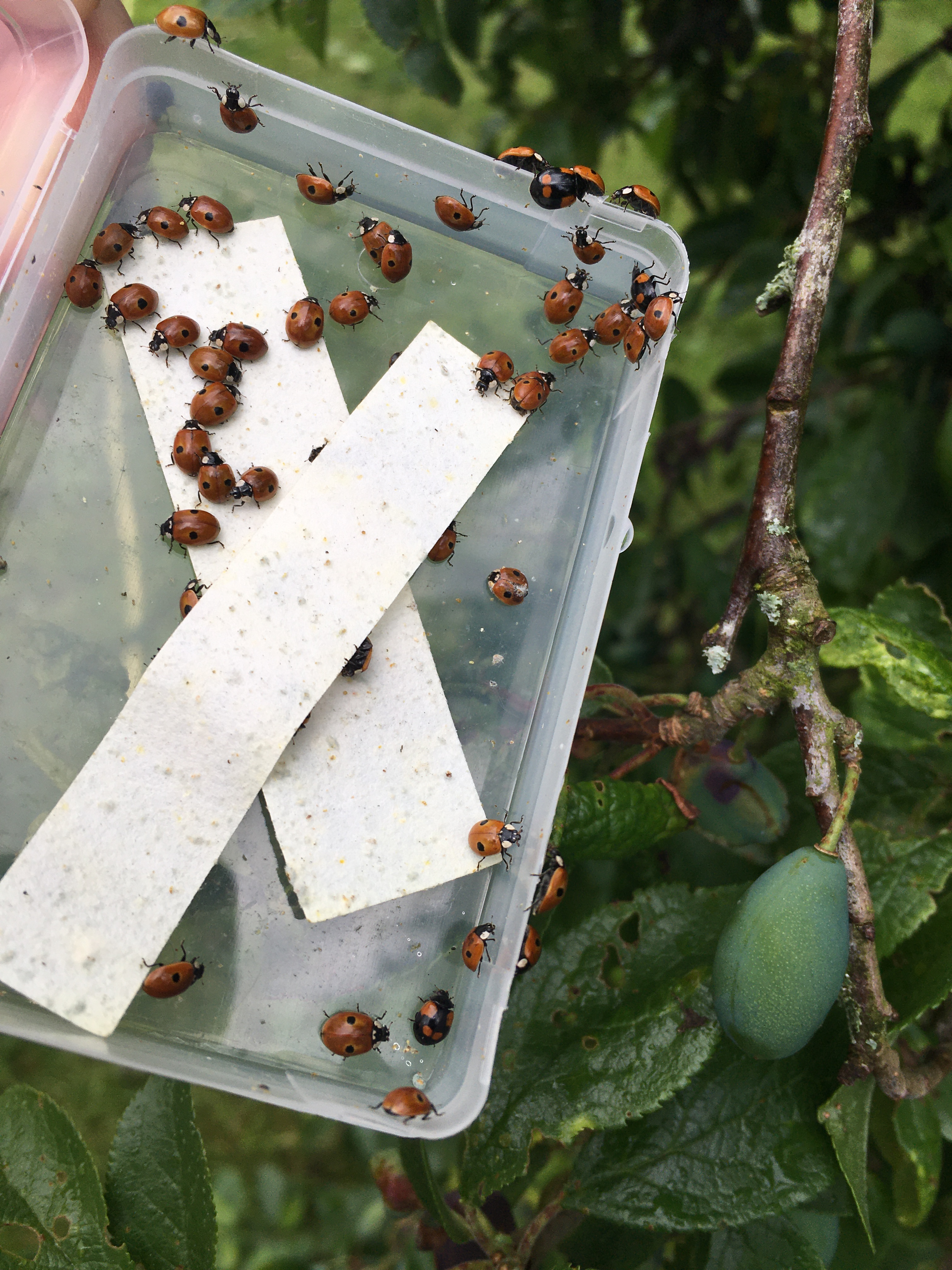
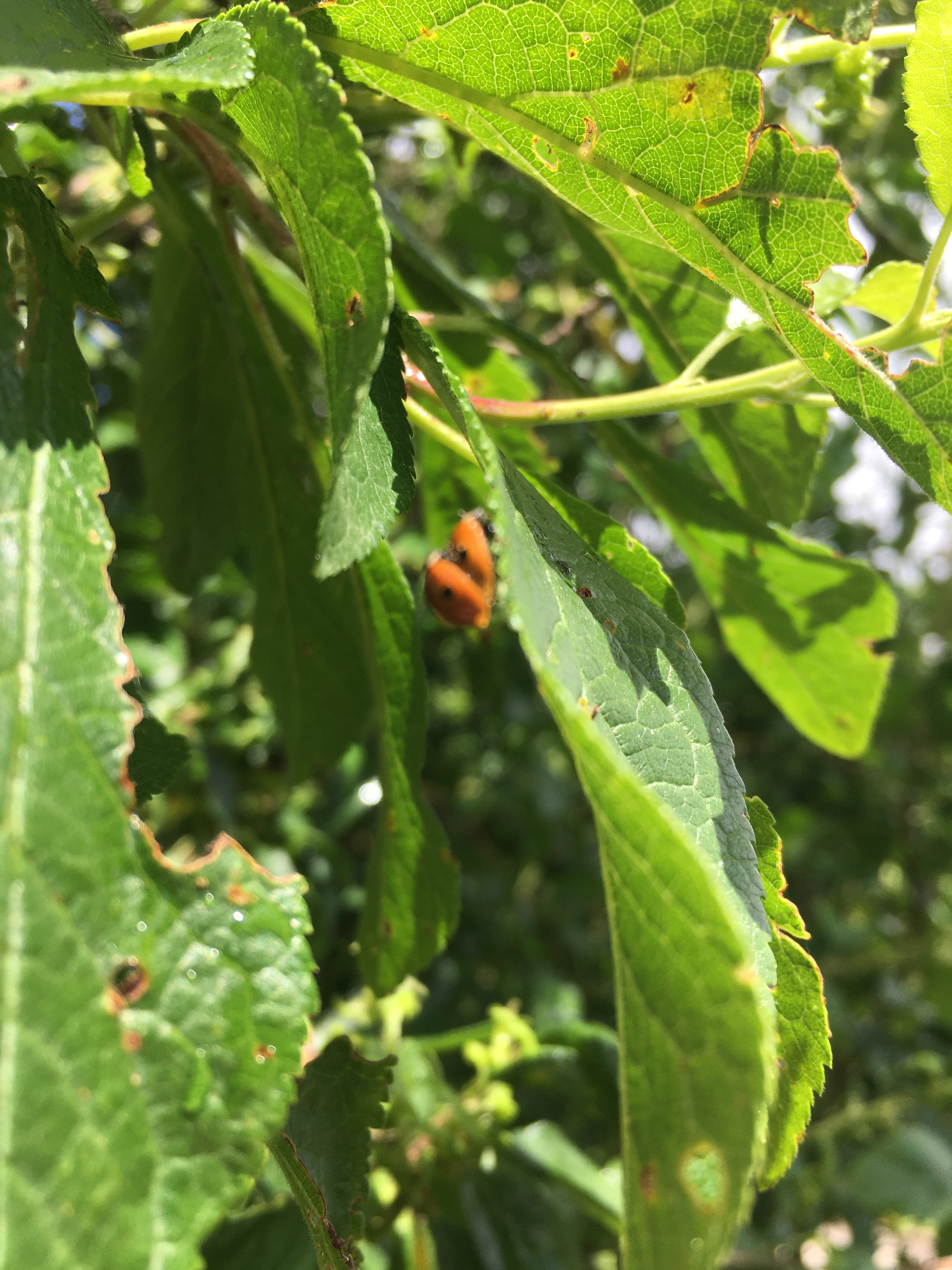
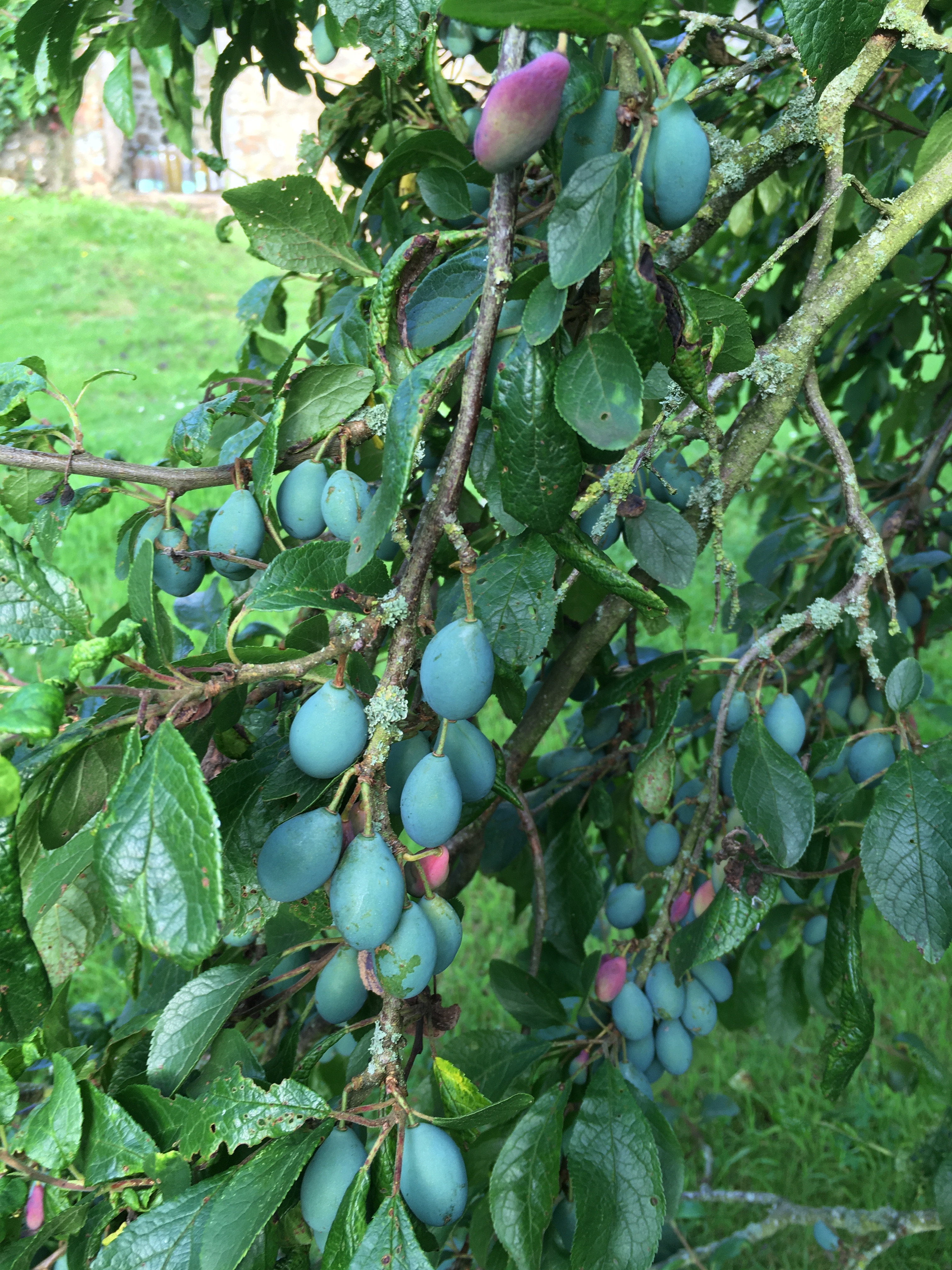
Our final effort at protecting our fruit was slightly more unusual, but definitely one we’re open to repeating… Seeing our damson tree leaves curling up and looking very sad, we decided we had a severe case of aphids, and knowing there was no way of spraying the tree (especially where we’re trying to be as pesticide-free as possible), we decided to buy ladybirds to eat the aphids. A few days later and we’re desperately trying to speed-move ladybirds from a plastic tub onto the tree, limiting the number climbing up our arms and avoiding being late for my next work meeting. Turns out they weren’t as dormant and sleepy as we first thought – perhaps it was the smell of aphids wafting across that excited them all! But – touchwood – it seems to have worked, with the leaves already looking plumper and brighter within a week or two. Now debating whether to try it with our artichokes in the kitchen garden…

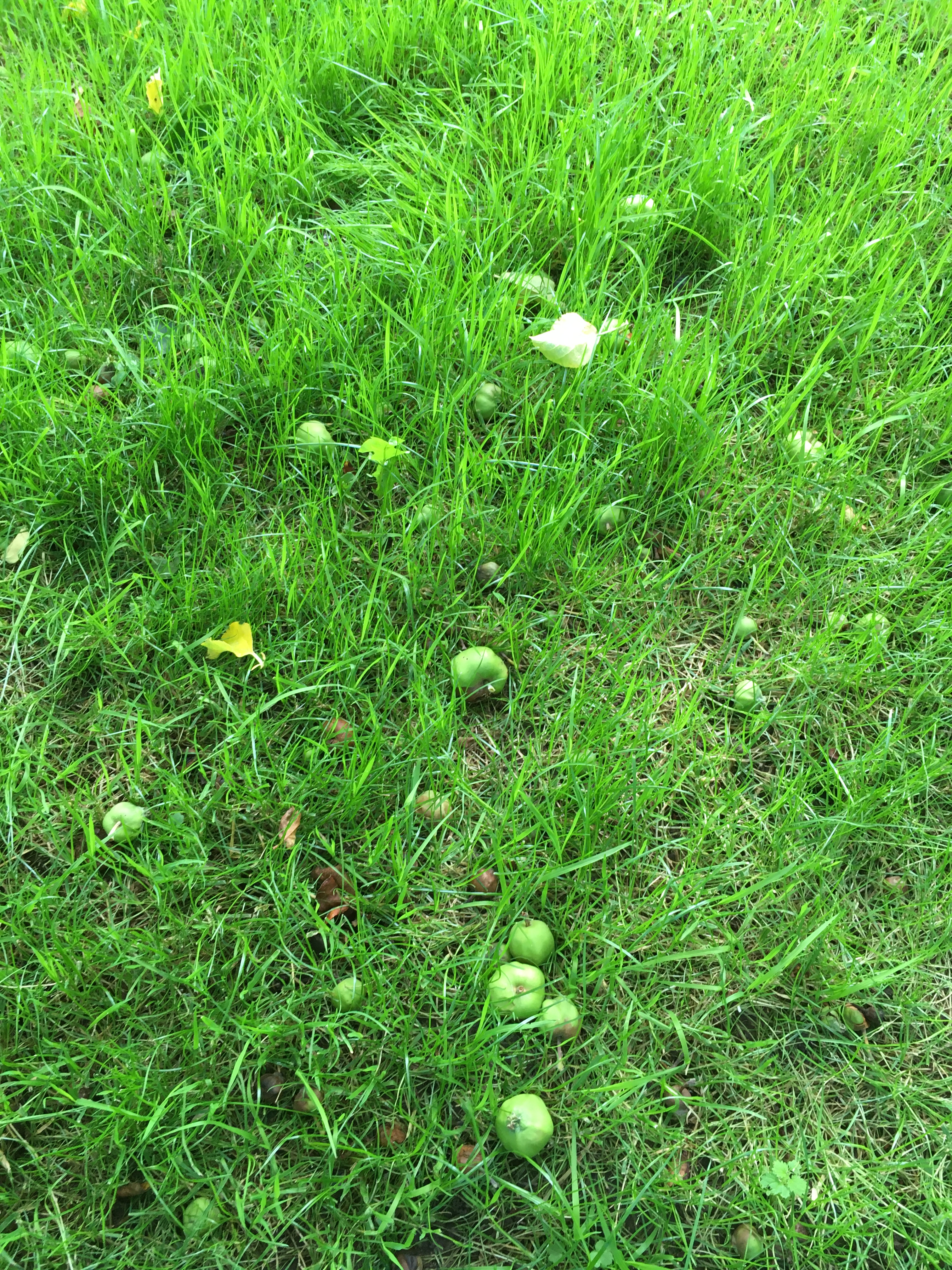
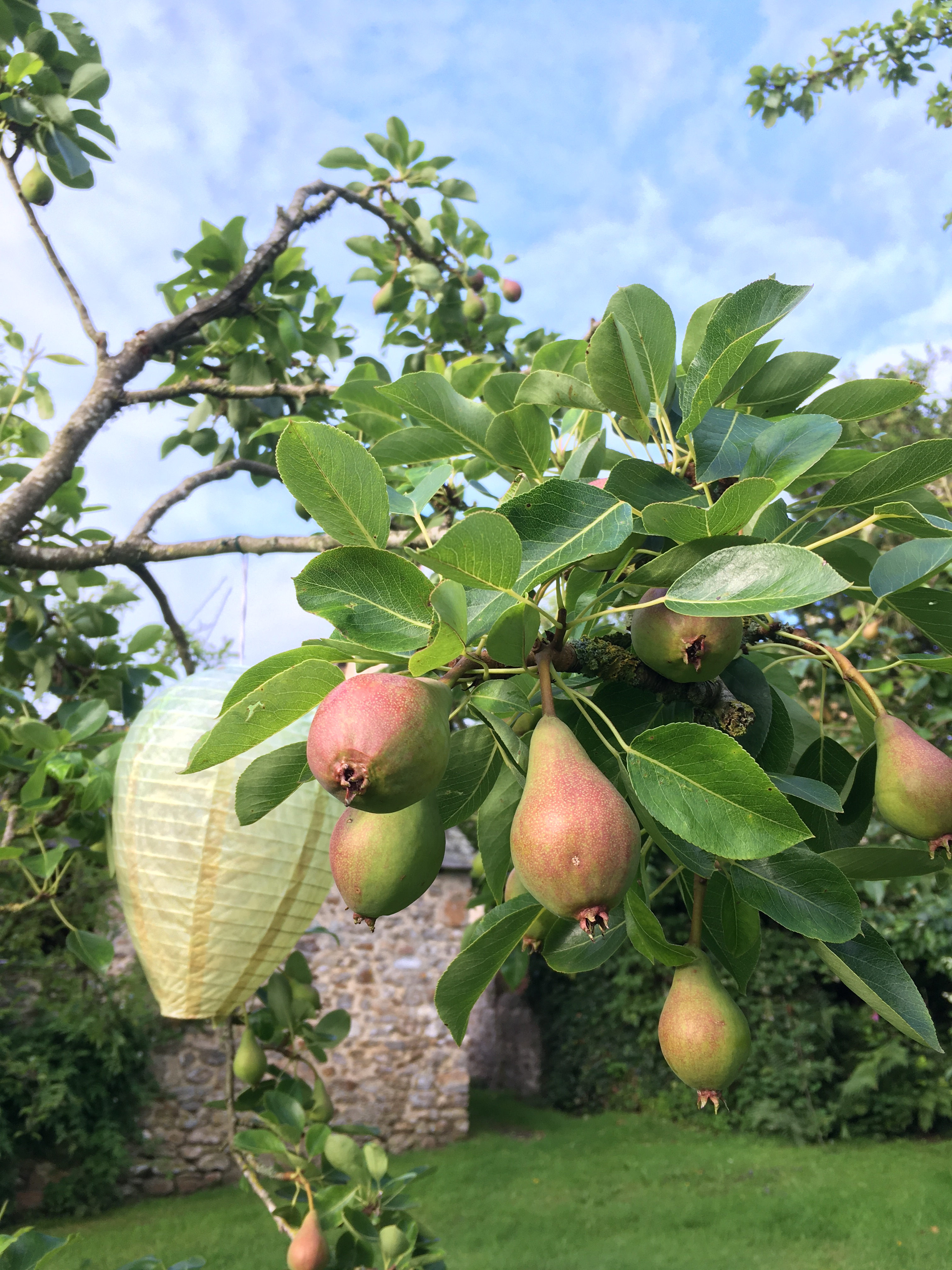
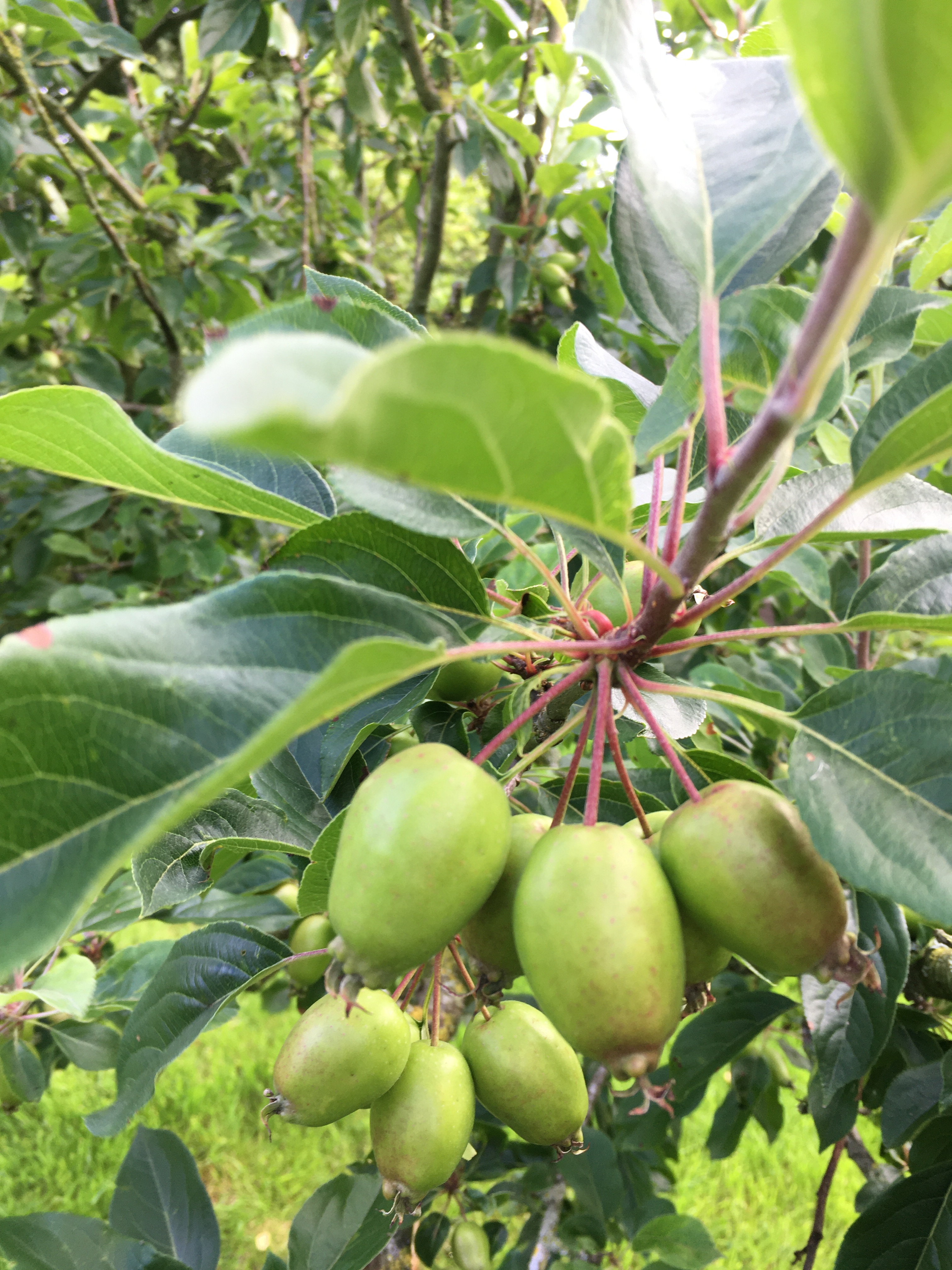
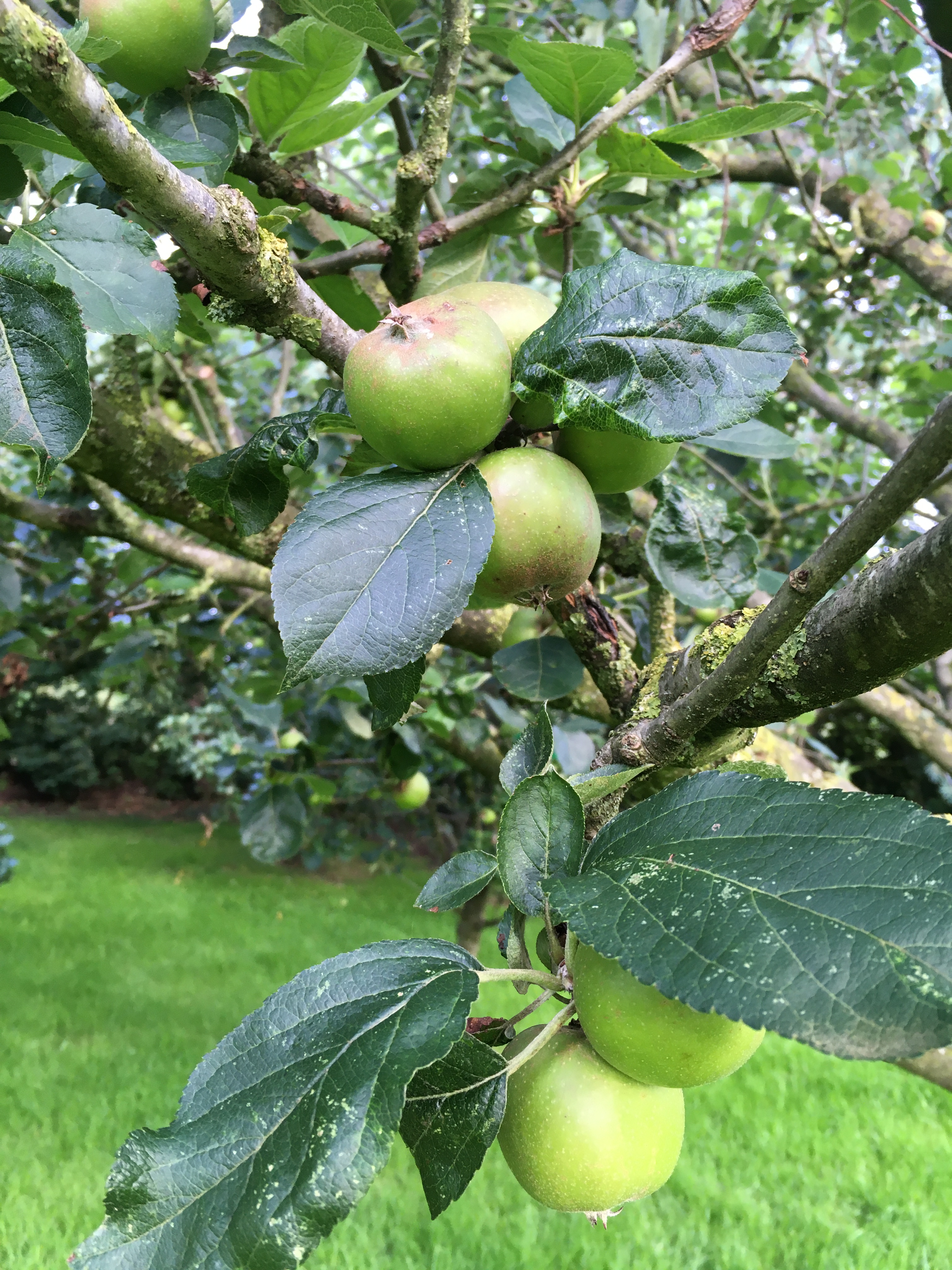
The big question is – has any of this actually worked!! One of our small pear trees has lost all the fruit this year, and the extent of our ‘June drop’ was pretty scary when we didn’t expect it. Some of our damsons were lost due to the aphid infestation, and our fig tree has about a fifth of the fruit it bore last year; on the plus side, the fruits we do have are much larger already and more like a real fig than the small green unripe figs we had last year (although they did make a good chutney!). Hopefully it won’t be long before we see the other trees stronger and healthier, with better quality fruit – so we can gradually nurse the orchard back into full health and harvest.
 Ley Farm Cottages
Keep up the good work restoring your fruit trees to being disease free – enjoyed reading about releasing ladybirds 🐞 on the damson tree to kill off the aphids!
LikeLike