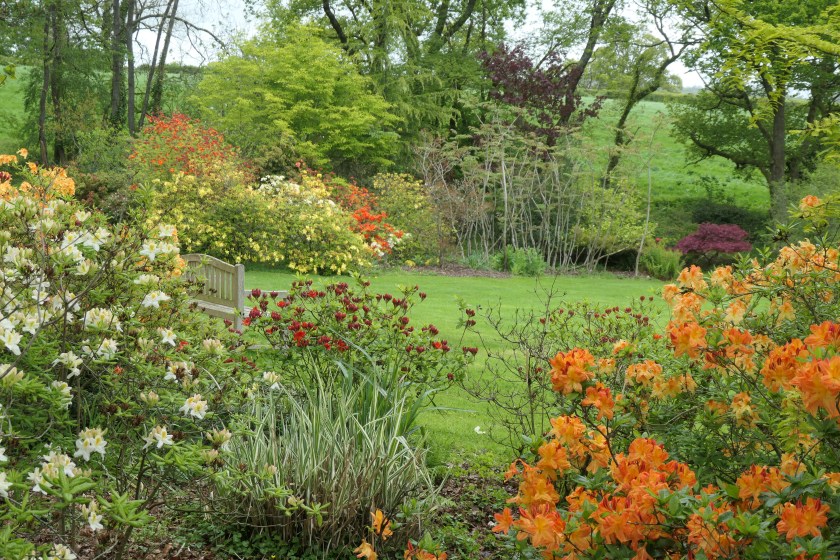
Another lovely place to visit – just a few miles away from us – is Burrow Farm Gardens. Originally operating as a farm, the owner and founder Mary Benger gradually built up 13 acres of gardens starting in disused former Roman clay pits, and then ‘nibbling’ away at their fields. Having seen the reaction from our visitors, it seems to be a fantastic place to take plant-lovers, with so many areas to explore. Each area is designed with different combinations of plants, structures and pathways, and garden ‘ornaments’ such as statues and fountains to draw the eye and create points of interest.
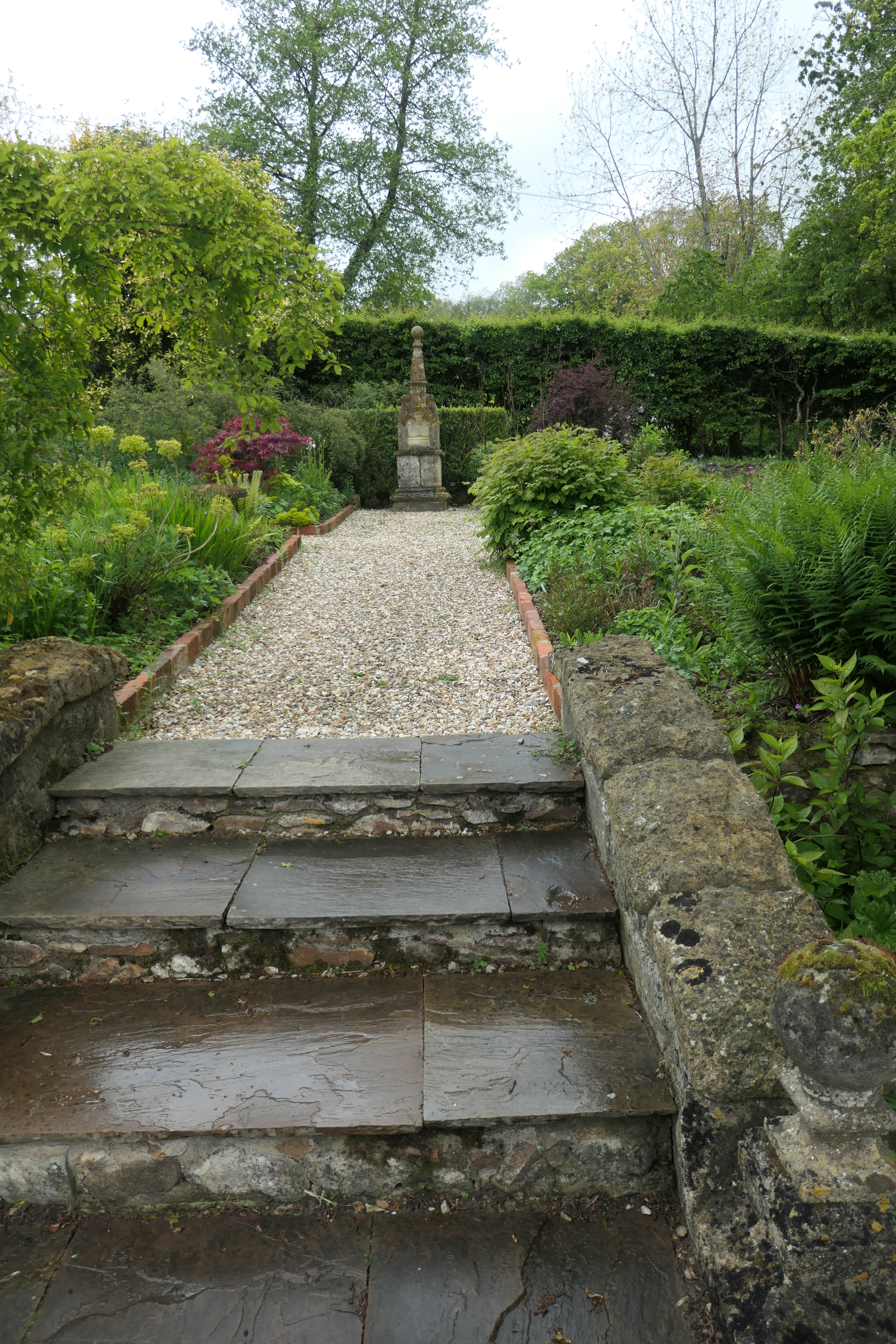
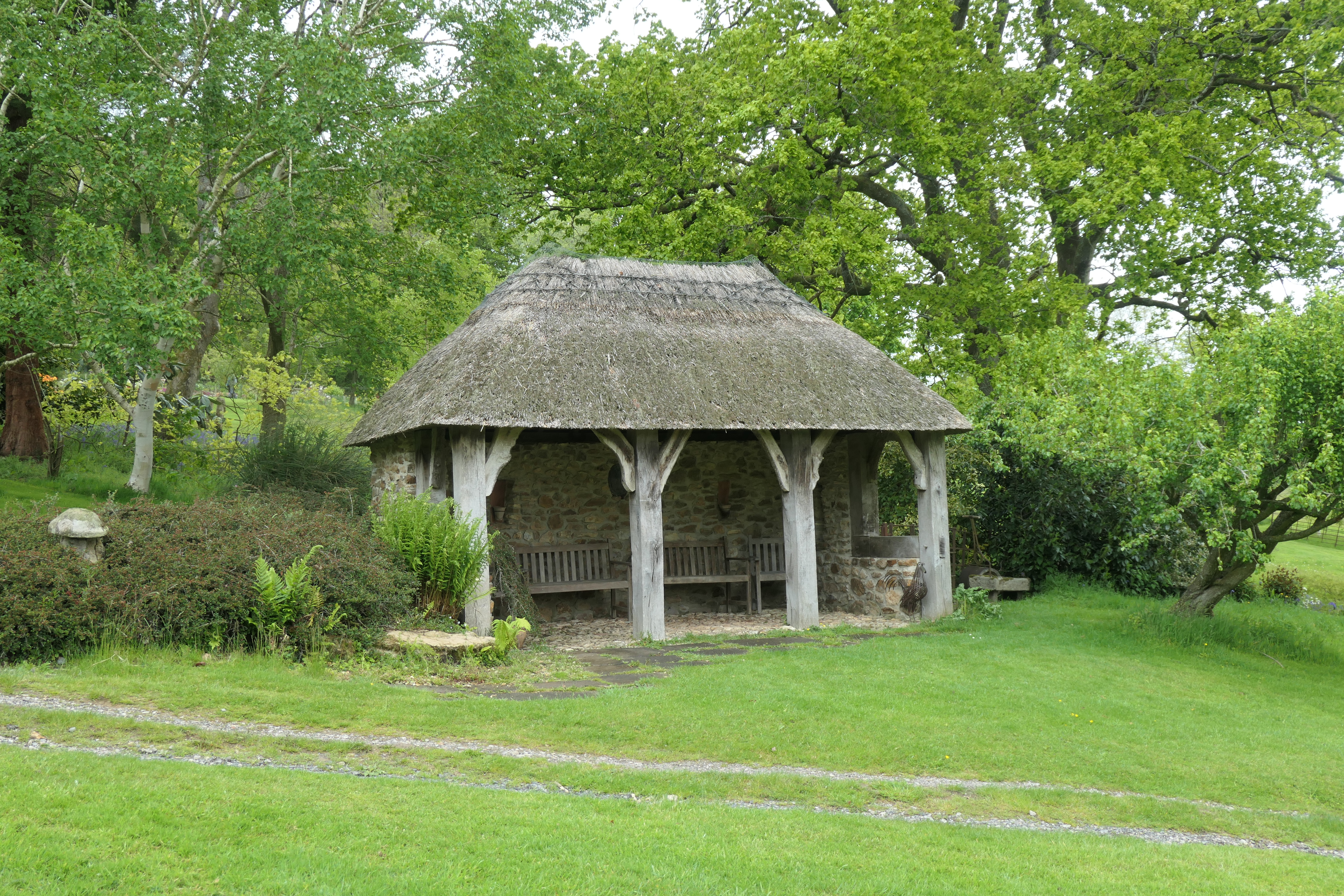
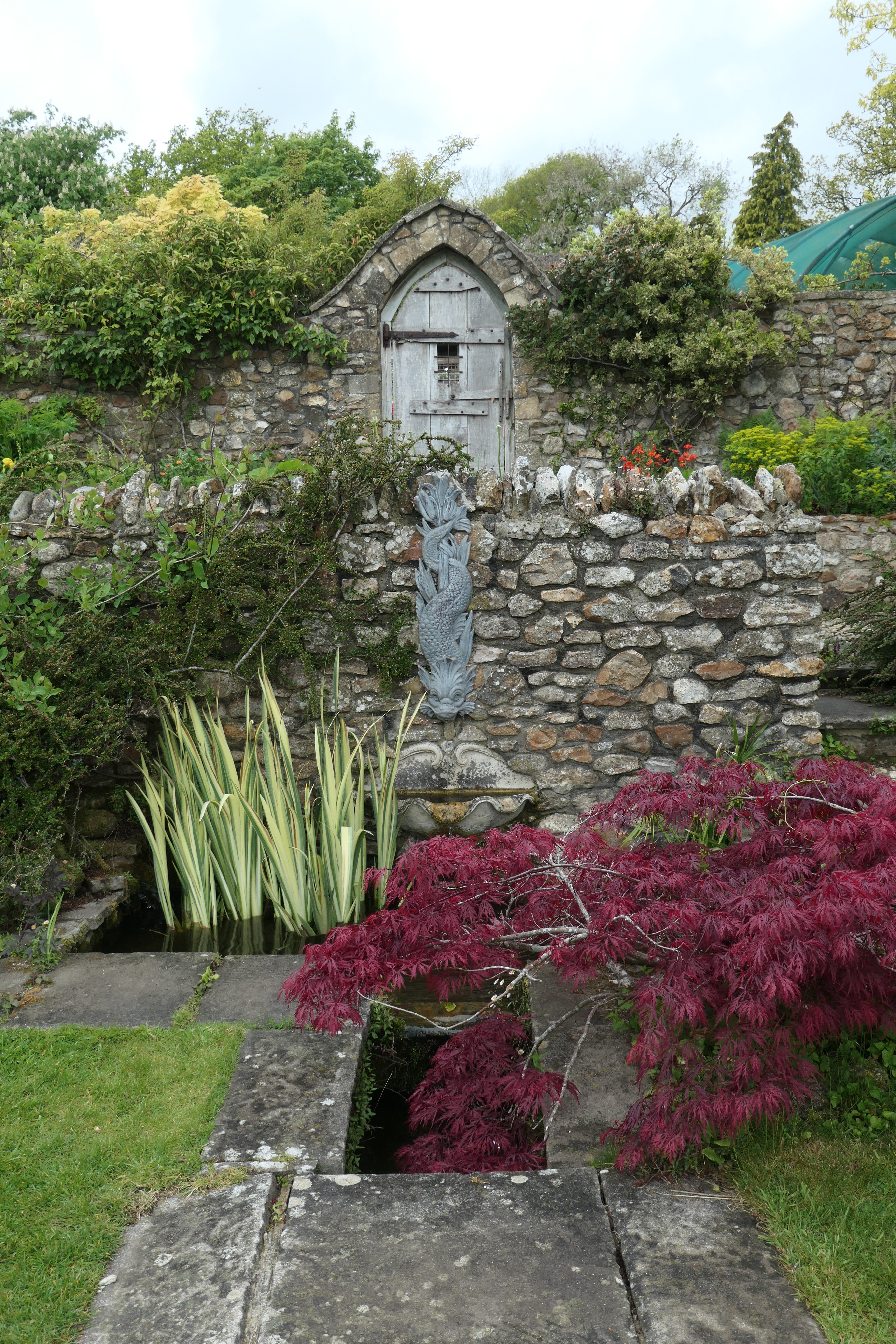
The old clay pits have been turned into a large woodland garden, with azaleas and rhododendrons of all colours in the spring, and huge trees towering over you and providing shelter from the weather. Further colour co-ordinated beds are dotted all around the hillsides, again containing plants that are apparently unusual to see in clay soil and only enabled by leaf mulches that help to change the soil acidity. The gardens are beautifully maintained with barely a weed in sight – the team are certainly dedicated to creating the best experience possible.

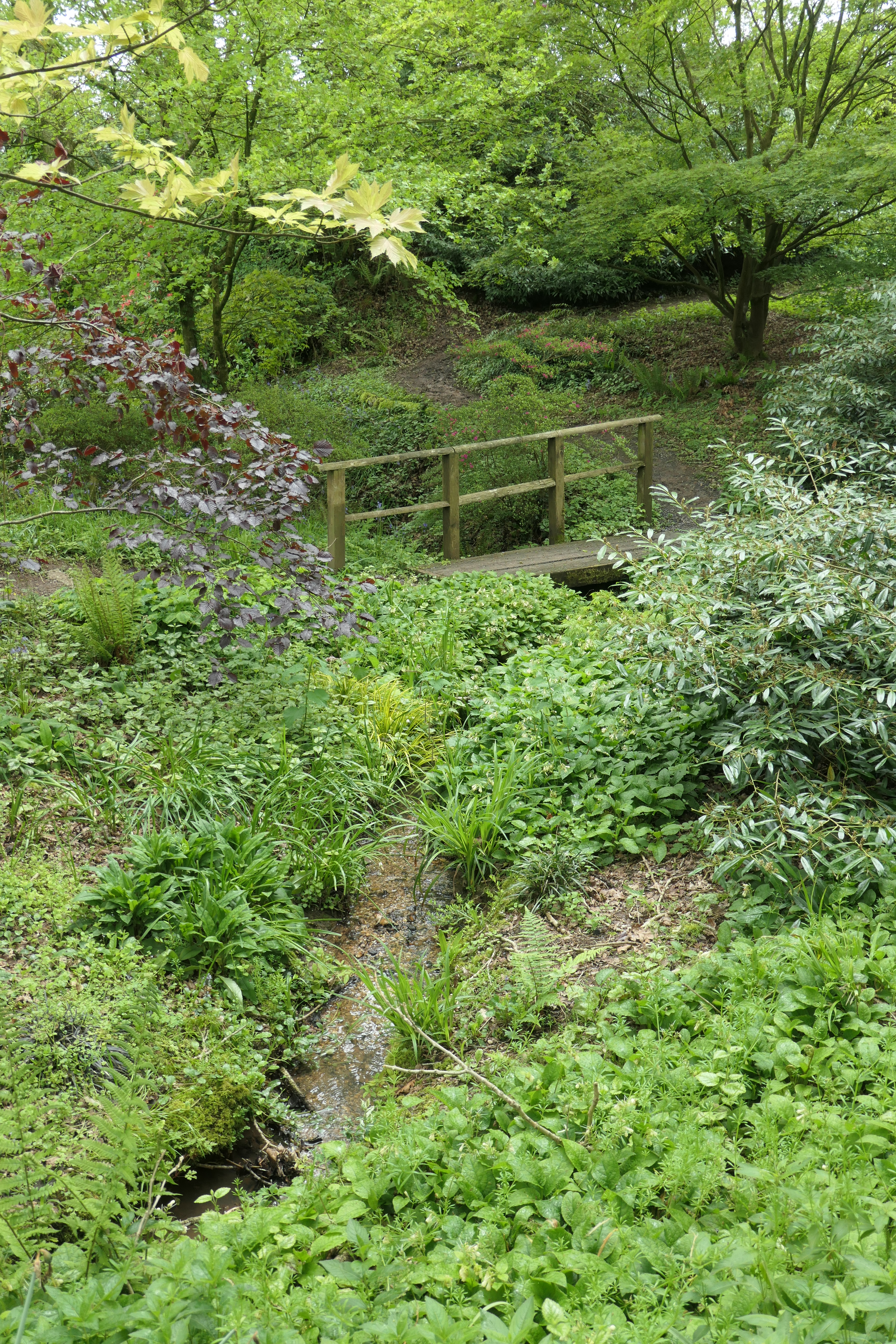
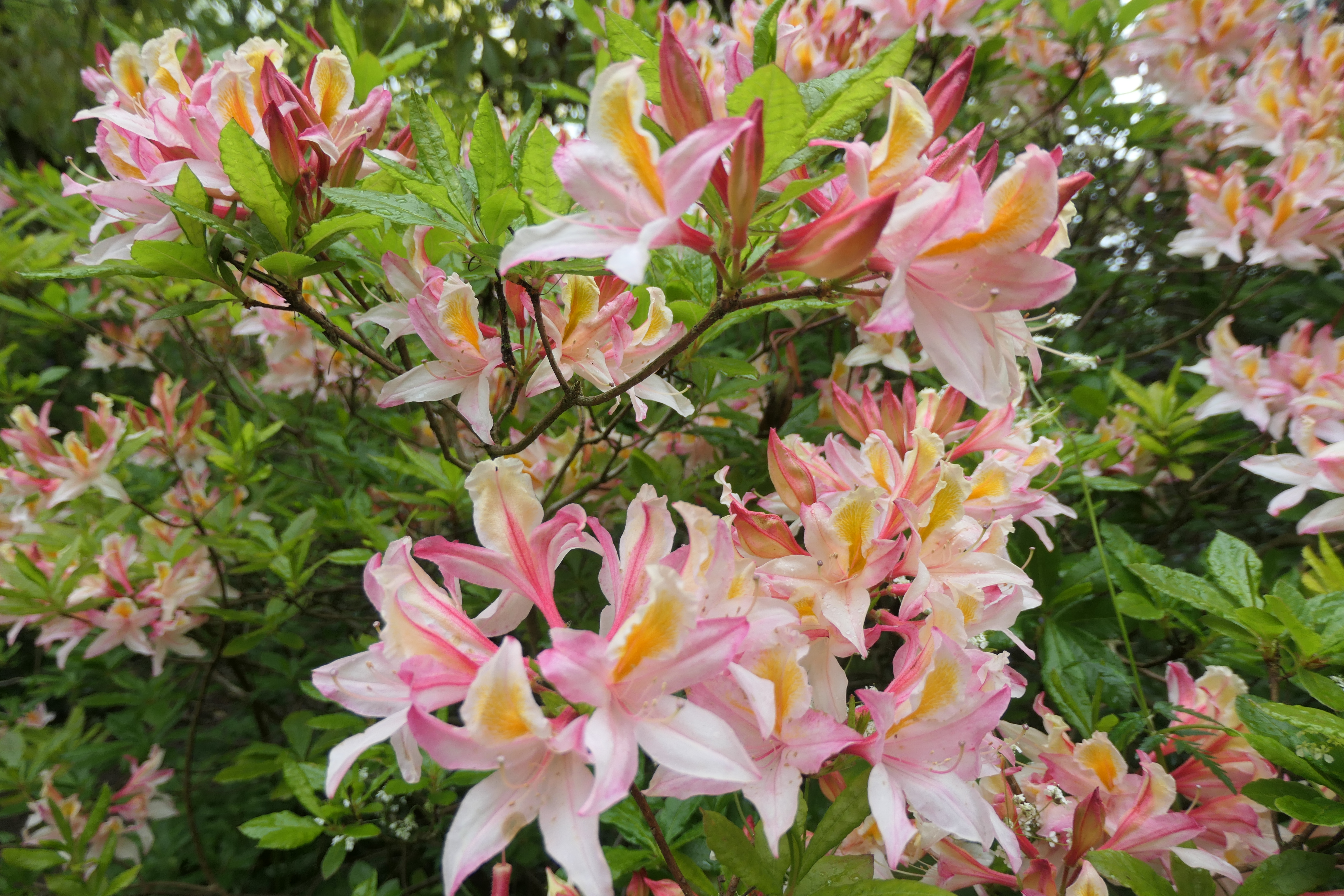


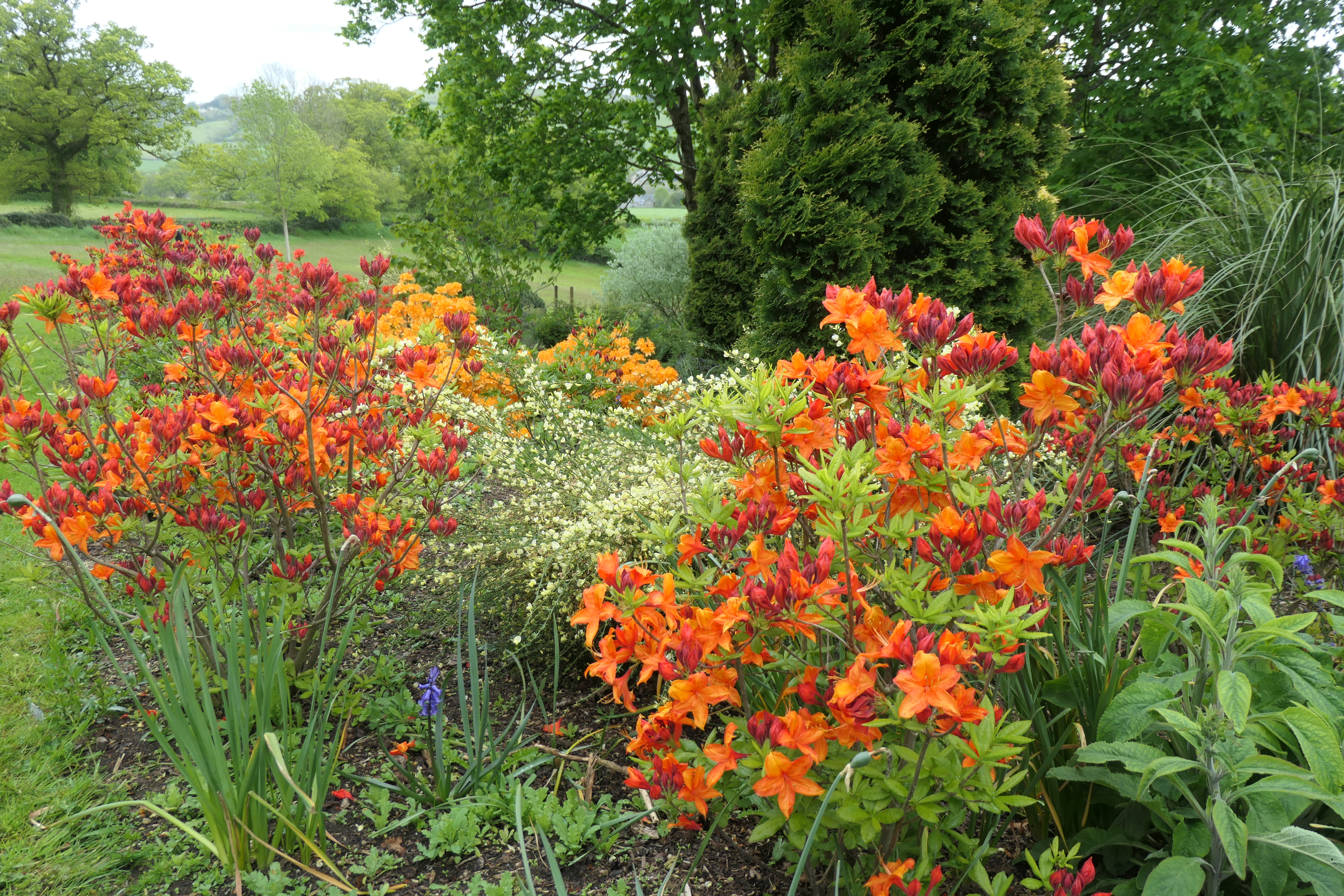
Swathes of the lawn have been left as wildflower meadows, with wild orchids dotted around (they were just starting to flower in late spring, so early summer must be an incredible sight). The main lake is covered with lily pads, with streams and wildlife ponds home to giant gunnera (similar to the one we have but far bigger!!); and the more formal Millenium Garden contains beautiful wisteria as the central focus halfway down.
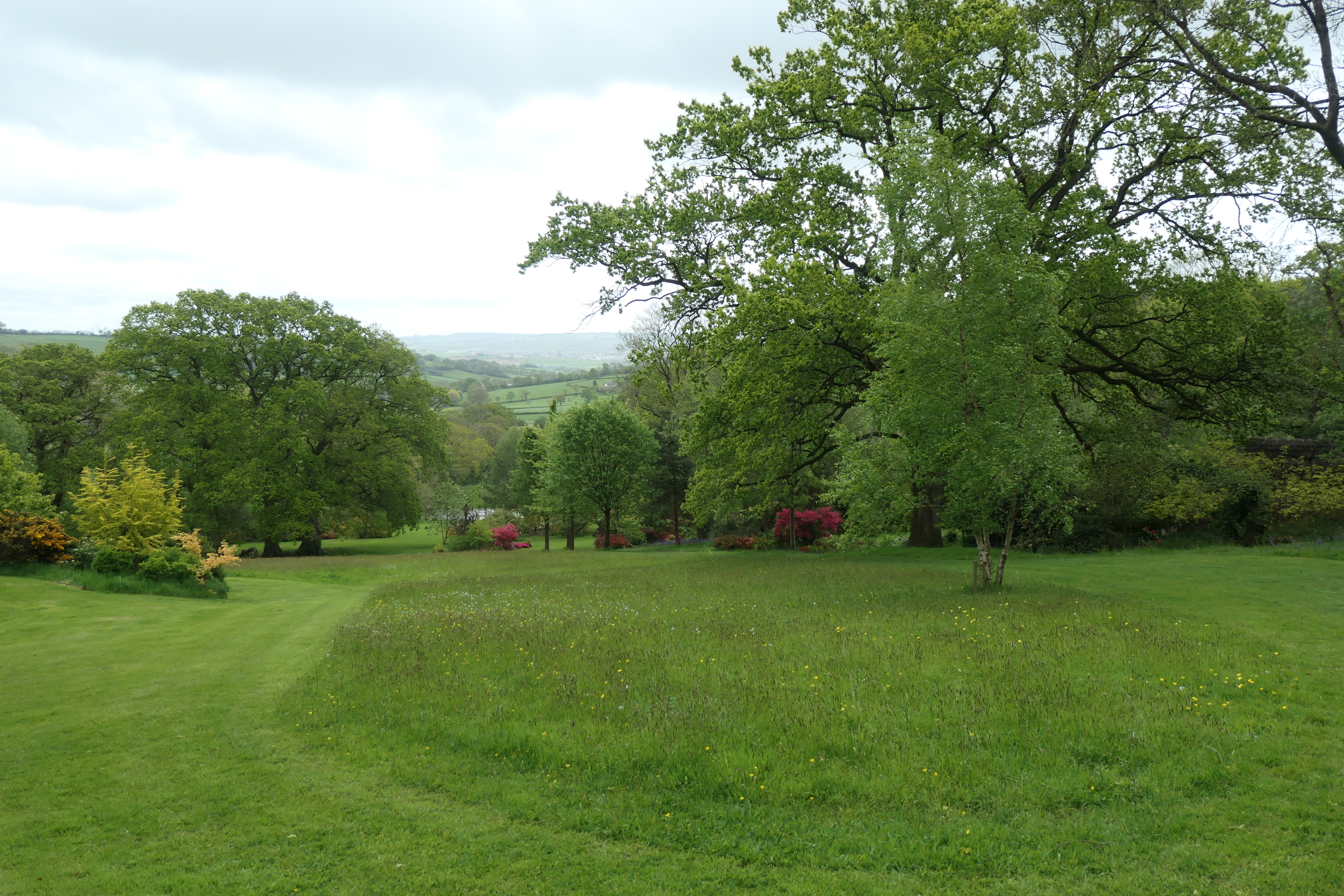
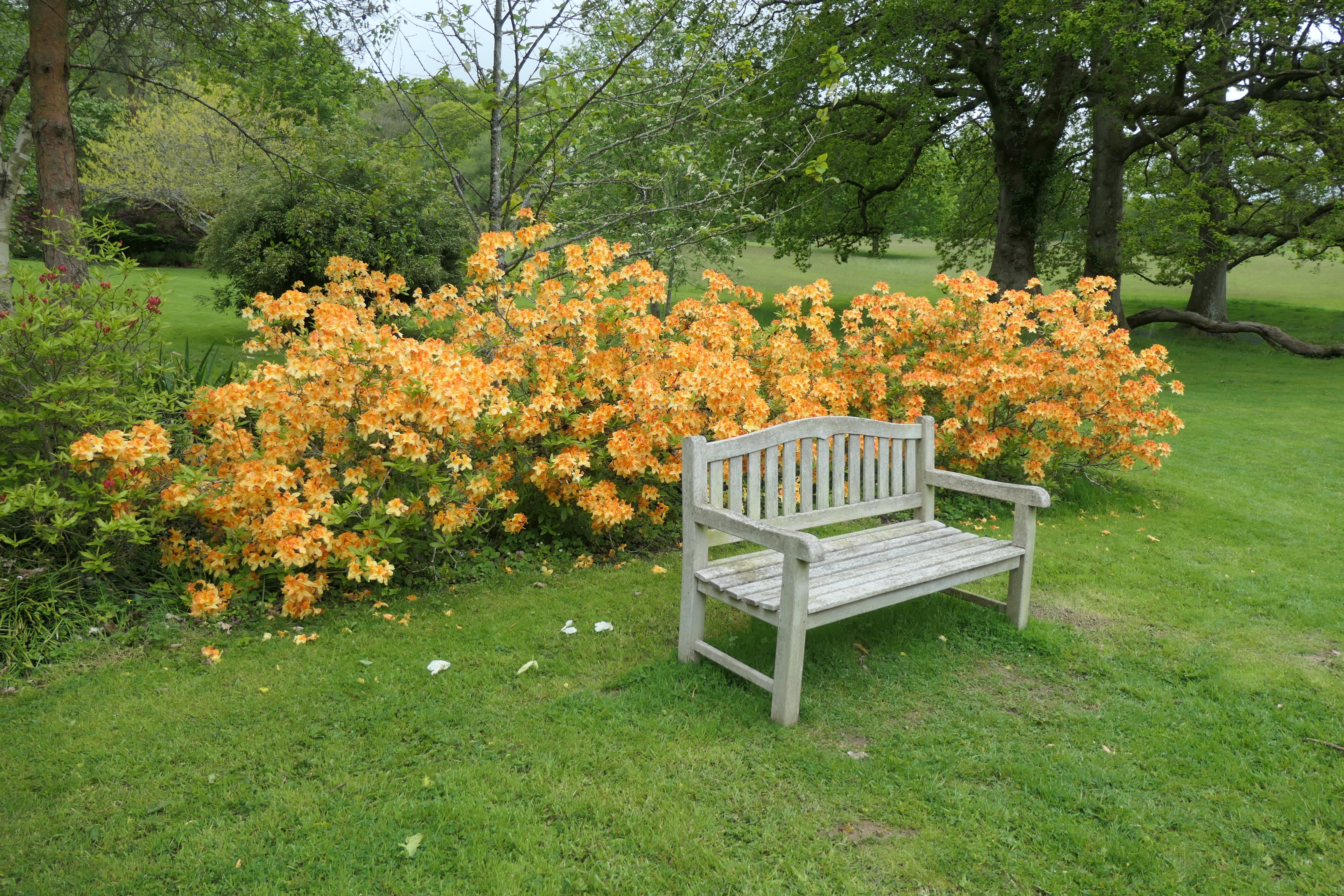
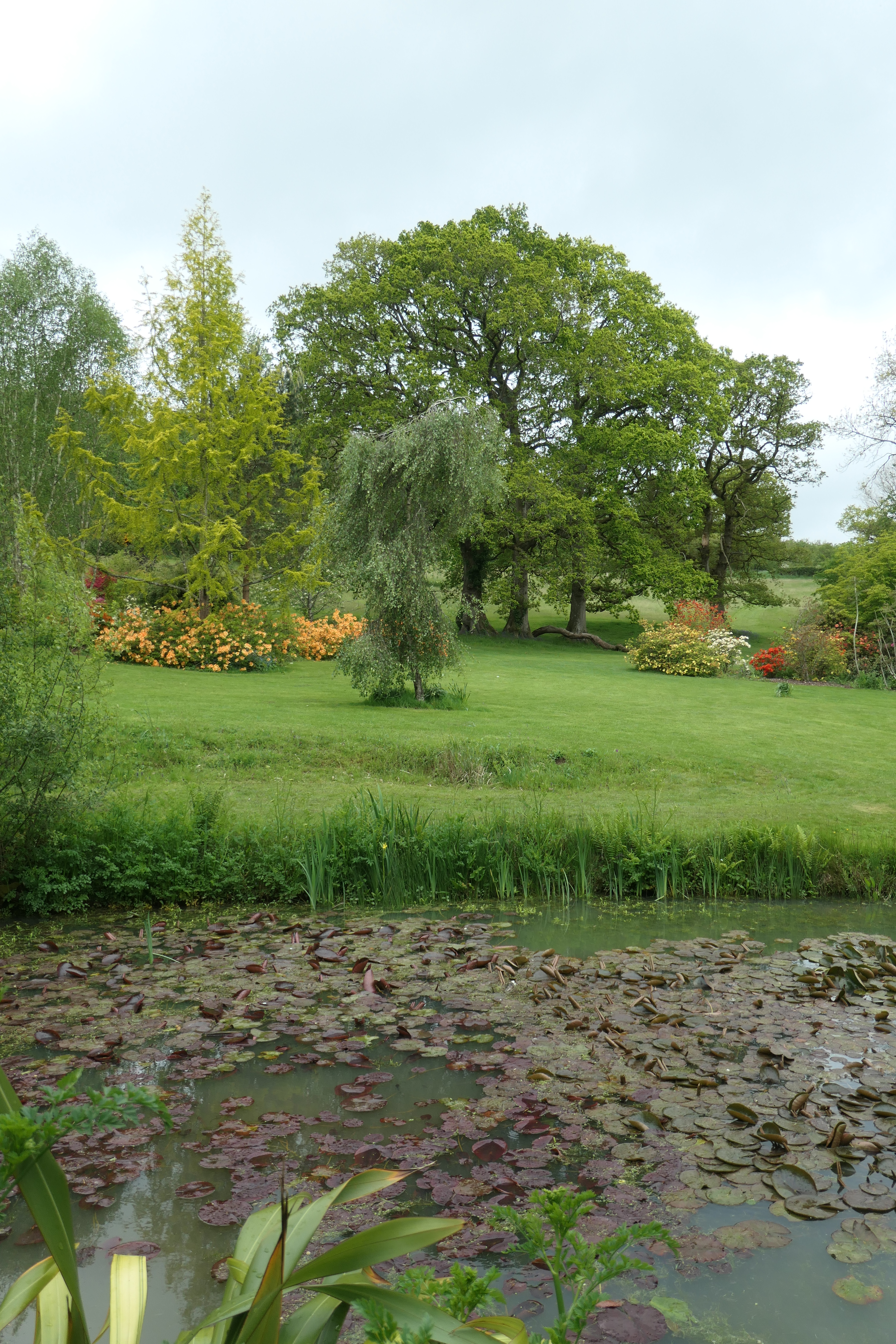
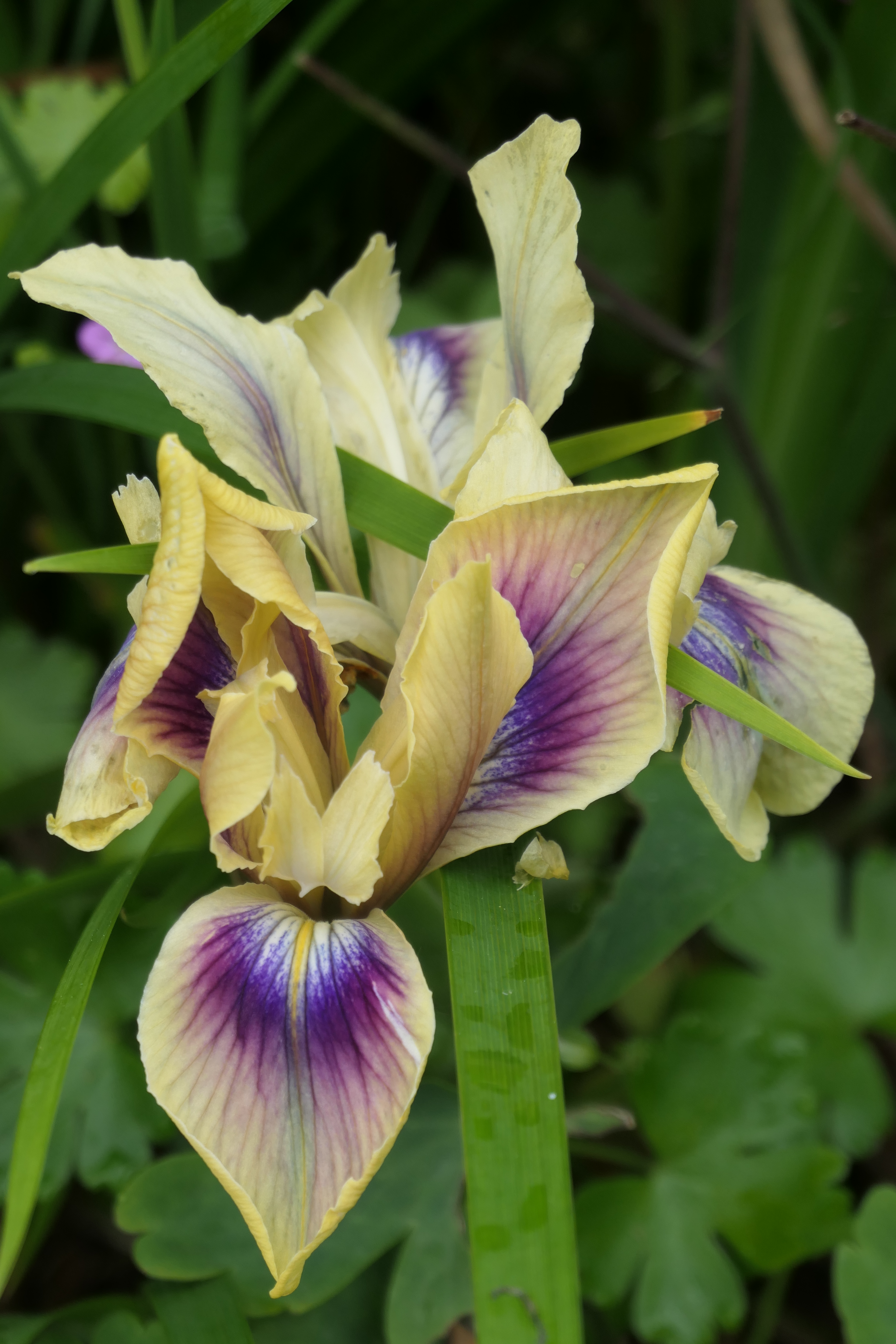
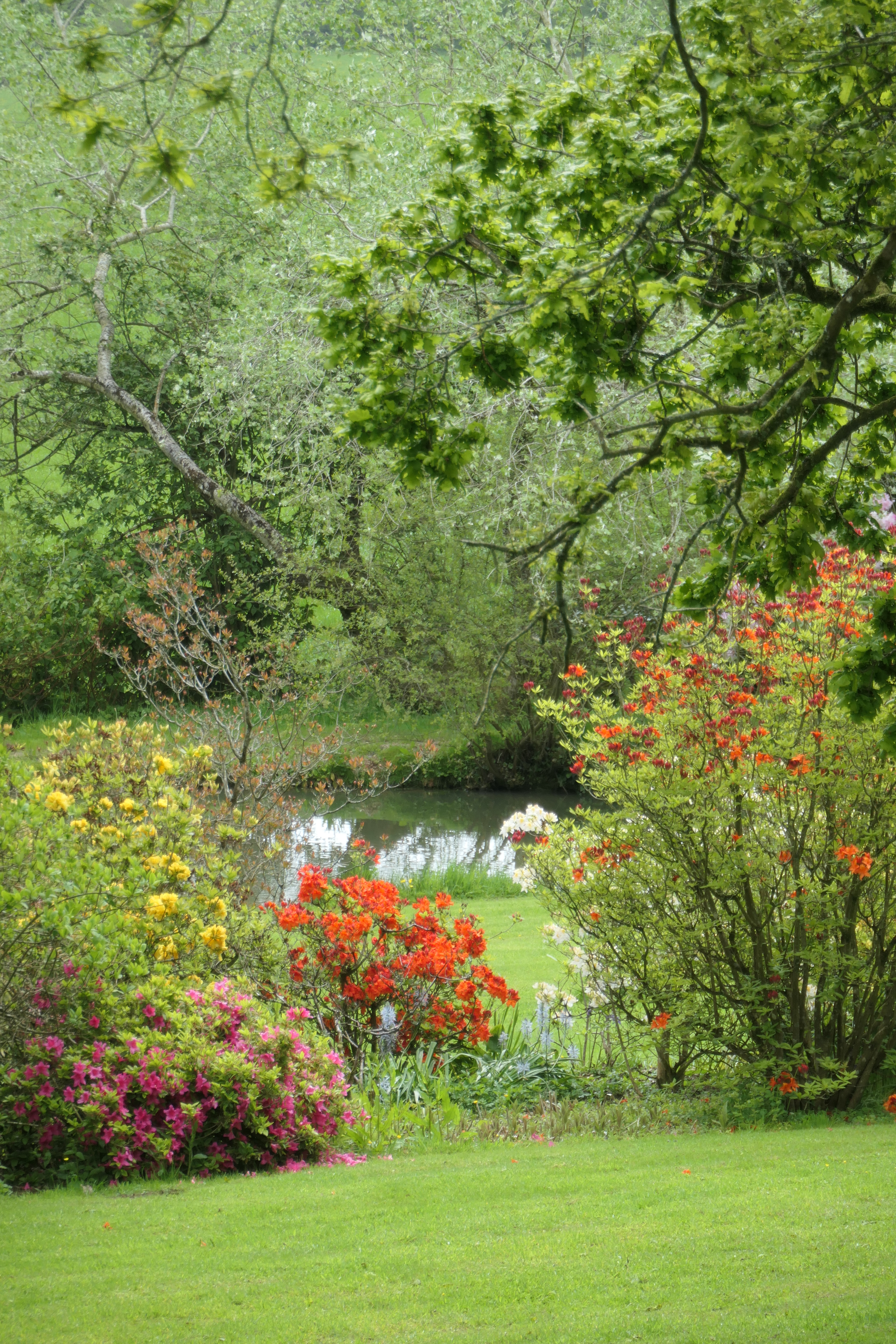
The gardens are located on the hillside of the Yarty Valley, with sweeping views down to Axminster. It does mean a few steep paths as you walk around, but we made use of the various benches along the way! And as the gardens are dog-friendly (on a lead) – there were a few occasions where the excited puppy helped pull people up the worst parts!
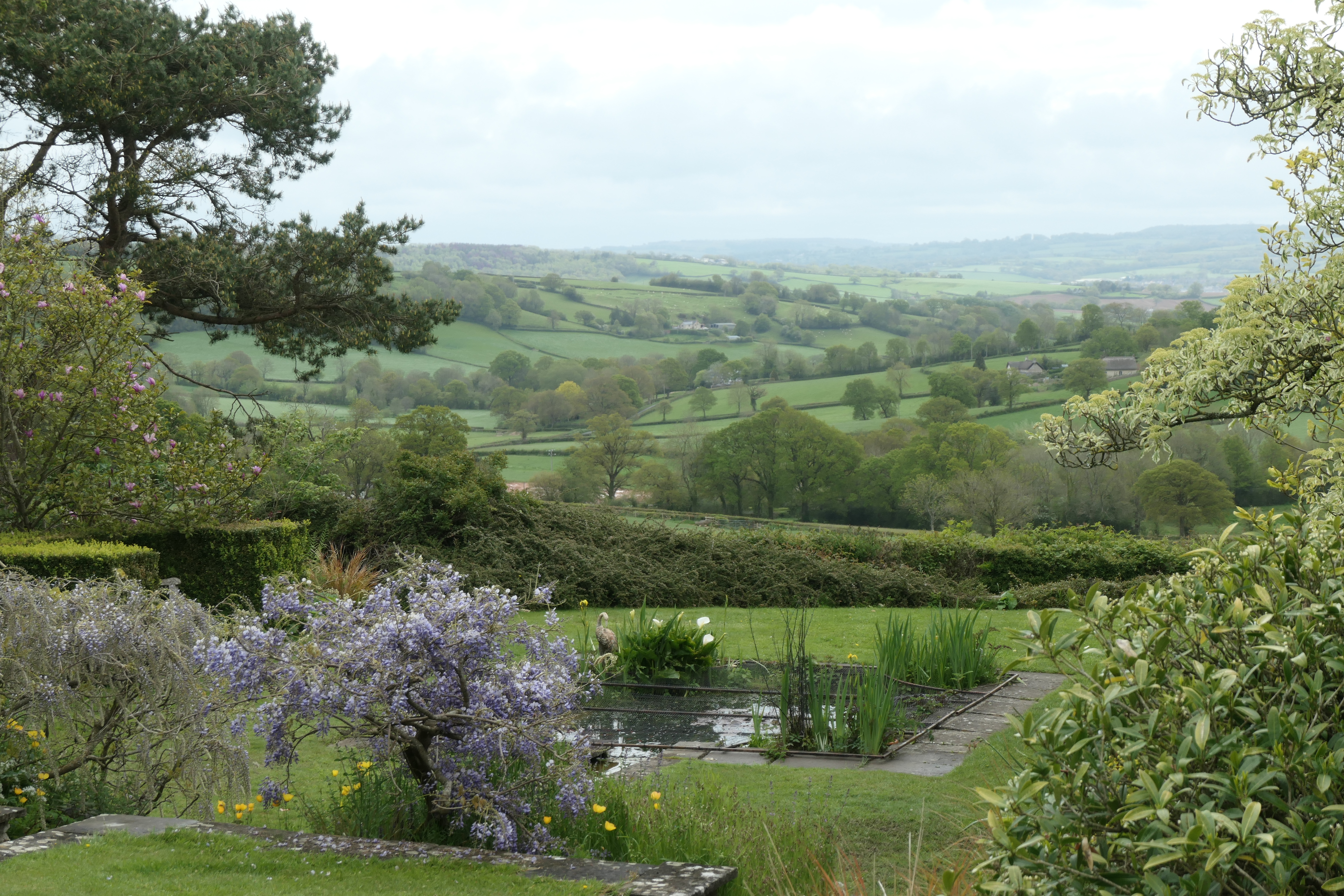

We actually visited in May (as you may be able to tell from the photos), but we’re reliably informed that the patterns of planting means there should always be something to see throughout Spring and Summer. We’ll have to squeeze in another visit later in the year!
 Ley Farm Cottages
Lovely photos – Burrow Farm Gardens looks well worth a visit!
LikeLike