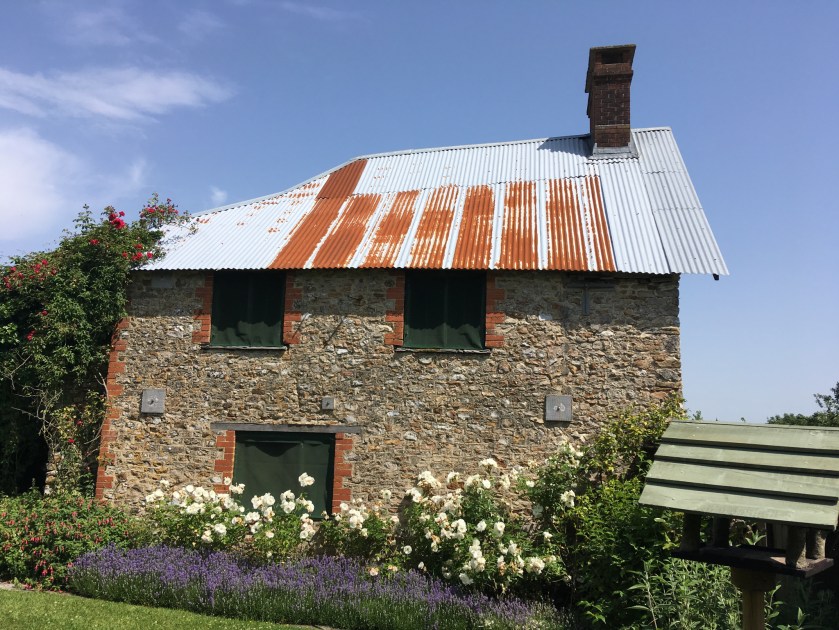
We realised this week that we’ve not really talked about the buildings we have on site that we’re hoping to restore. So we thought we’d start with our ‘crown jewel’ – our listed cottage that dates back to 1580. It’s the remains of the original farmhouse on the site, and from looking at an old map, it’s clear that the structure remaining is only a small part of the original building, and that it would probably have been three times the size it is now. For some reason in the 19th century, the farmhouse was partially knocked down and the current farmhouse was built, which, as well as our shed and one of the barns, was built from the original stone.
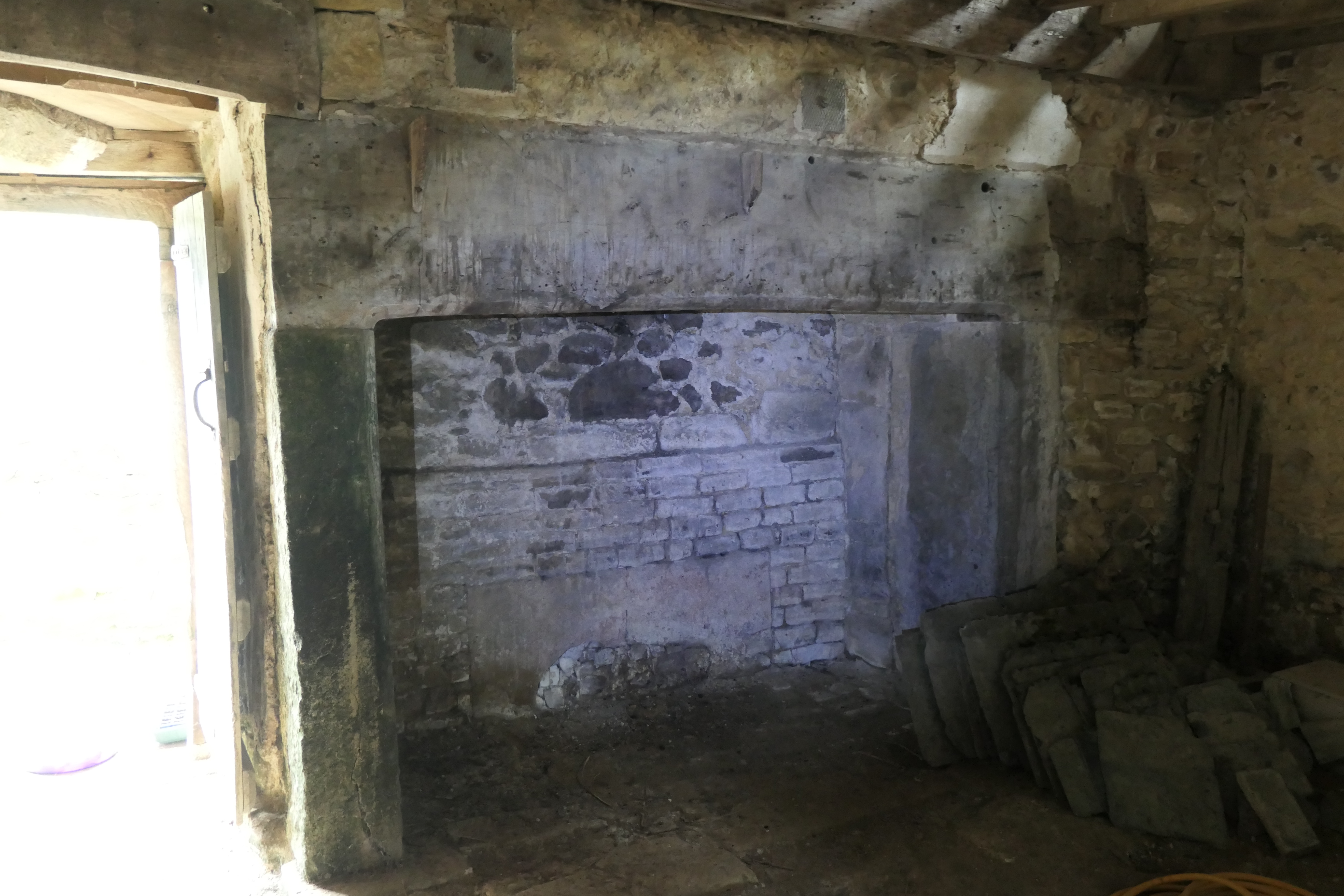
The building that remains contains a huge room with a large original inglenook fireplace, and two semi-collapsed lean-tos on the back and side, overcome with vegetation that we’re too worried to cut back in case it’s the only thing holding up the remaining walls. It’s a two-storey building but there are just open beams between the two floors, revealing a typical building feature of the time – a long single beam that runs from the top of the building to the bottom. While many of the original beams have survived, sadly this one has been replaced recently, although seemingly a close replica of the original.

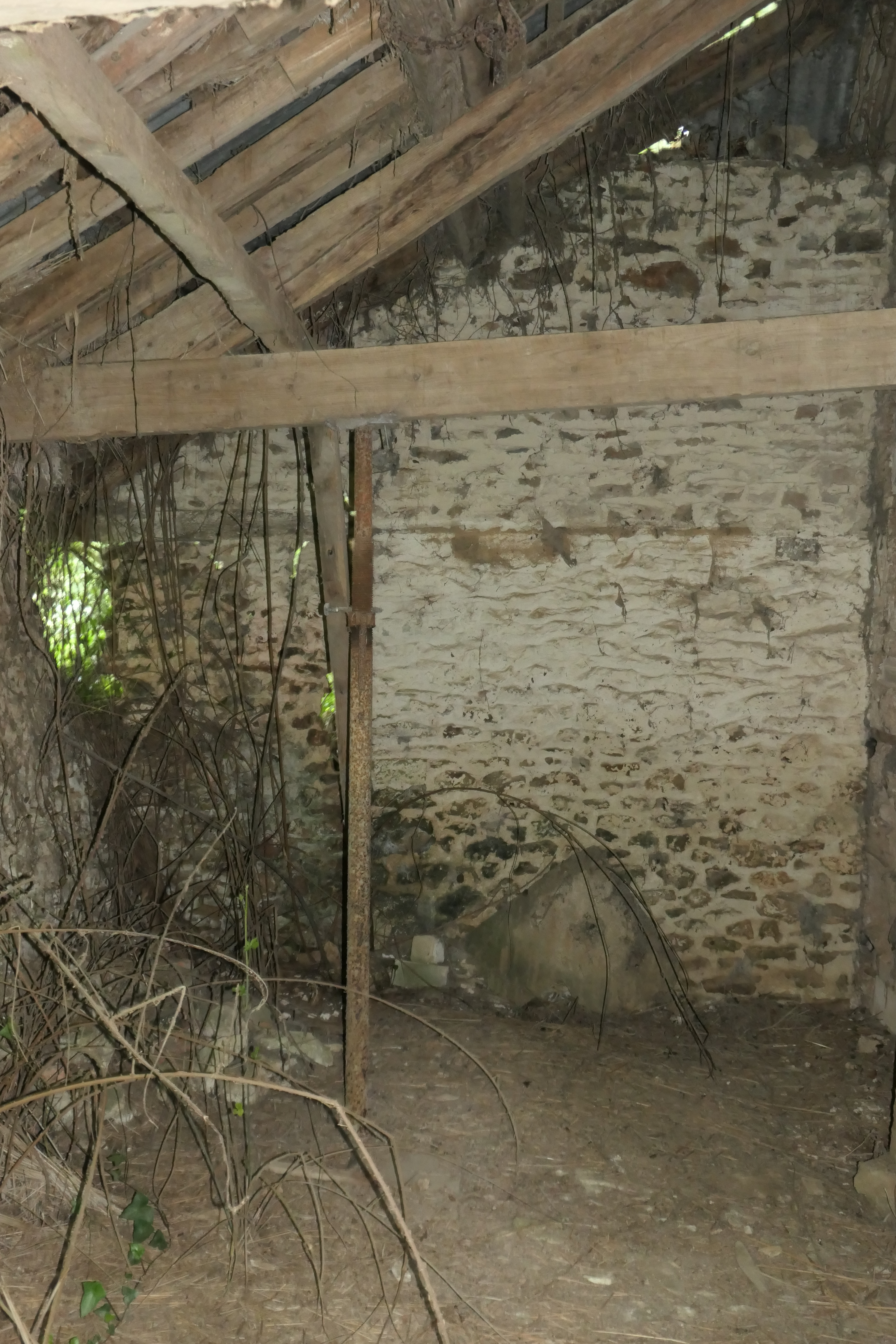
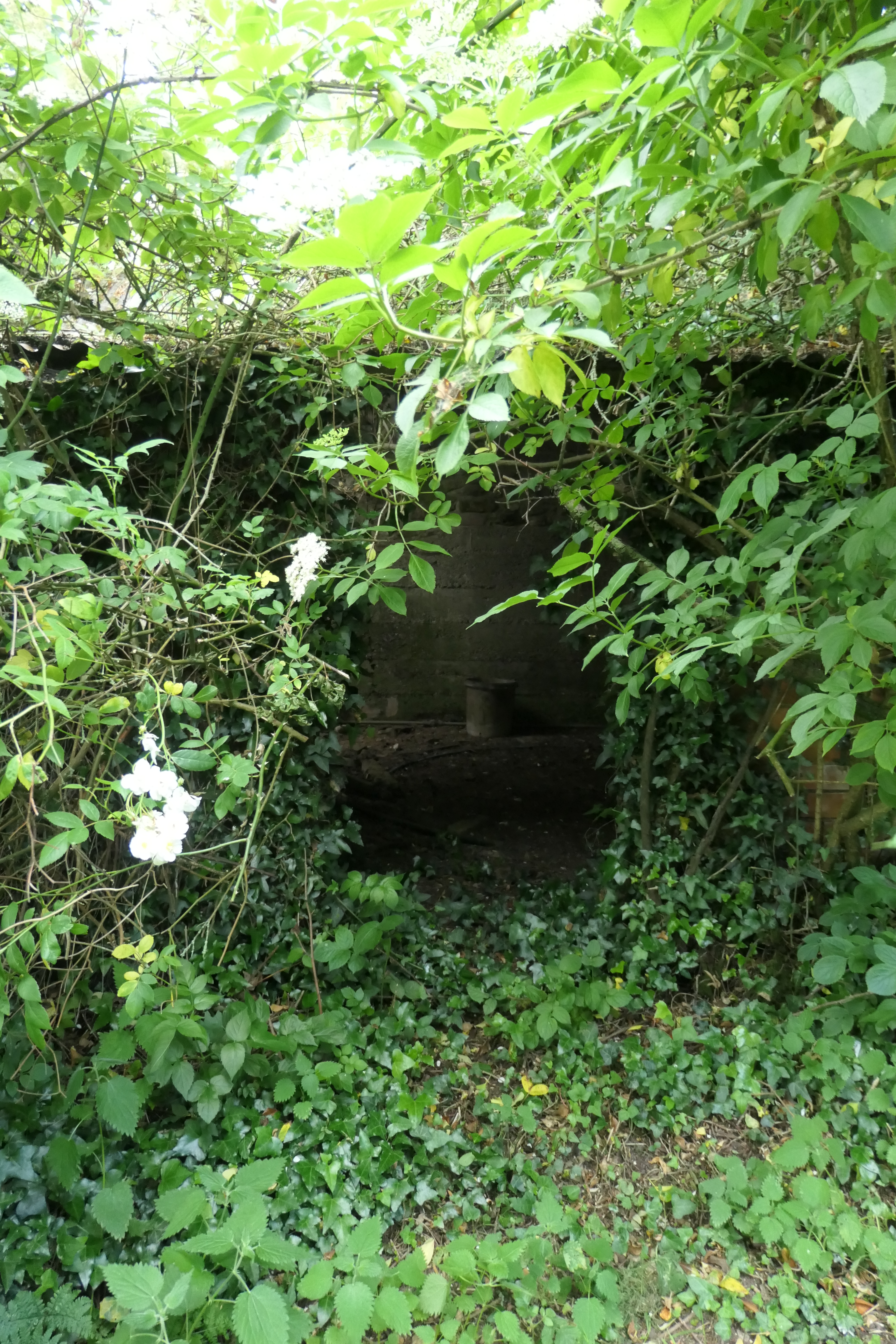
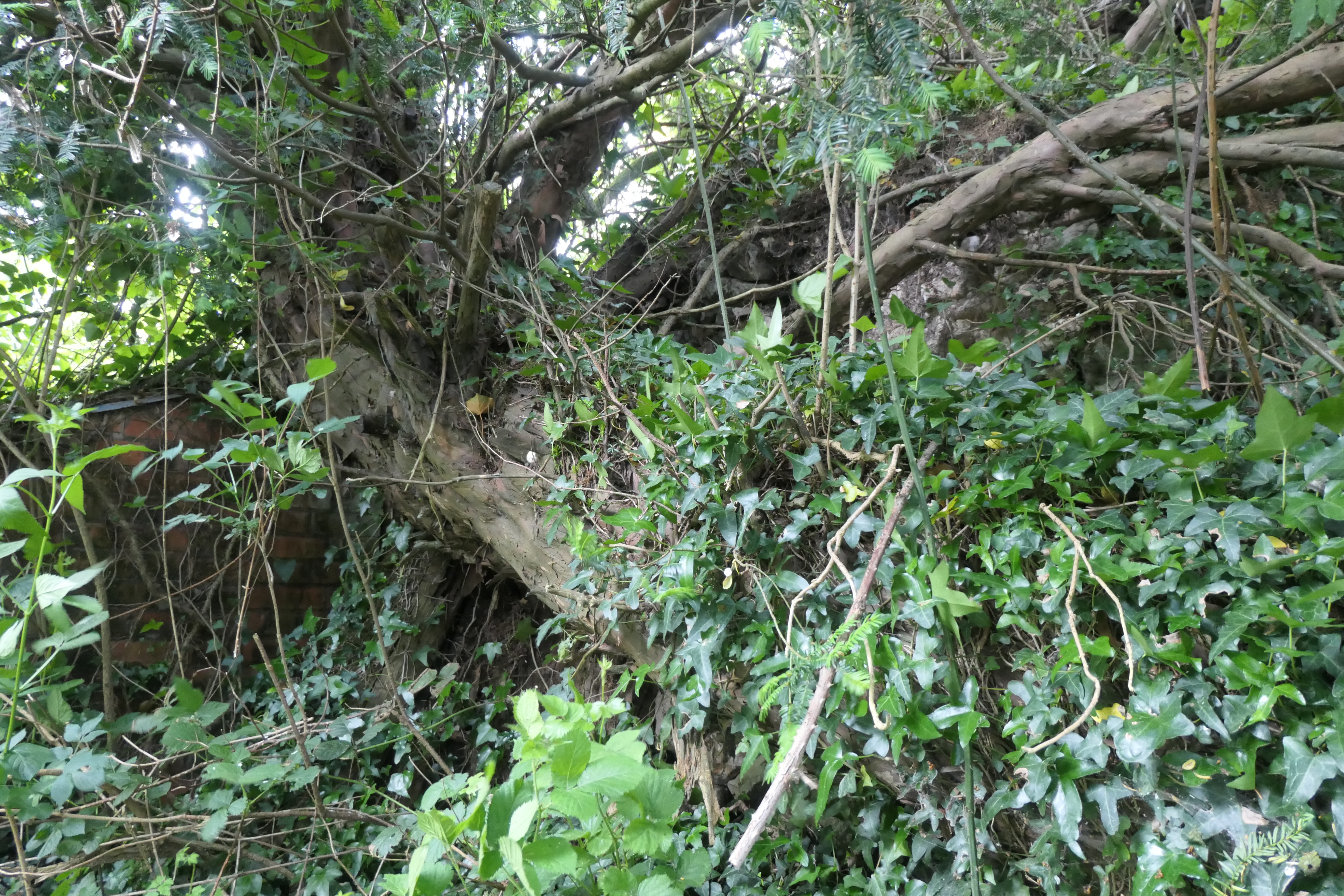
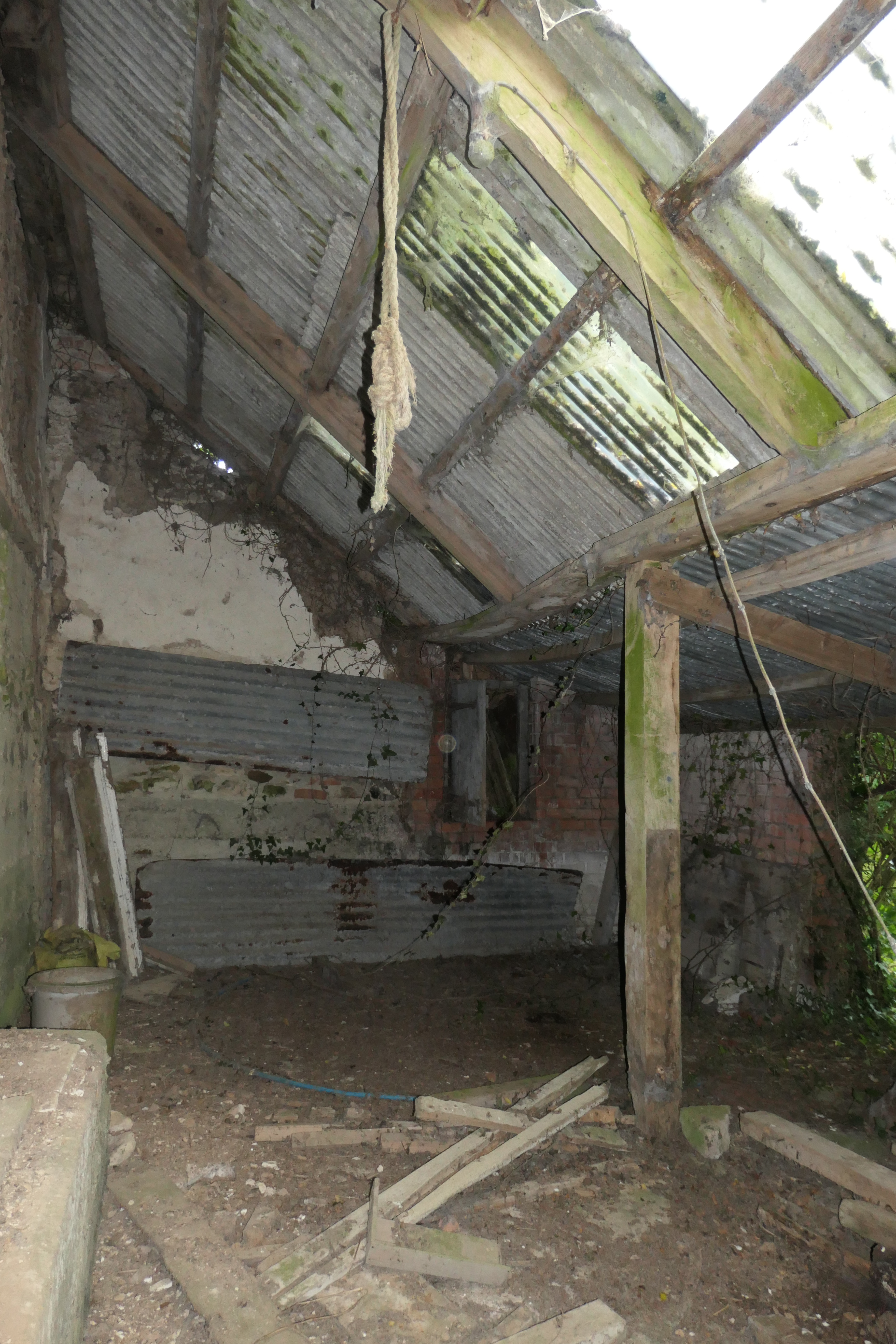
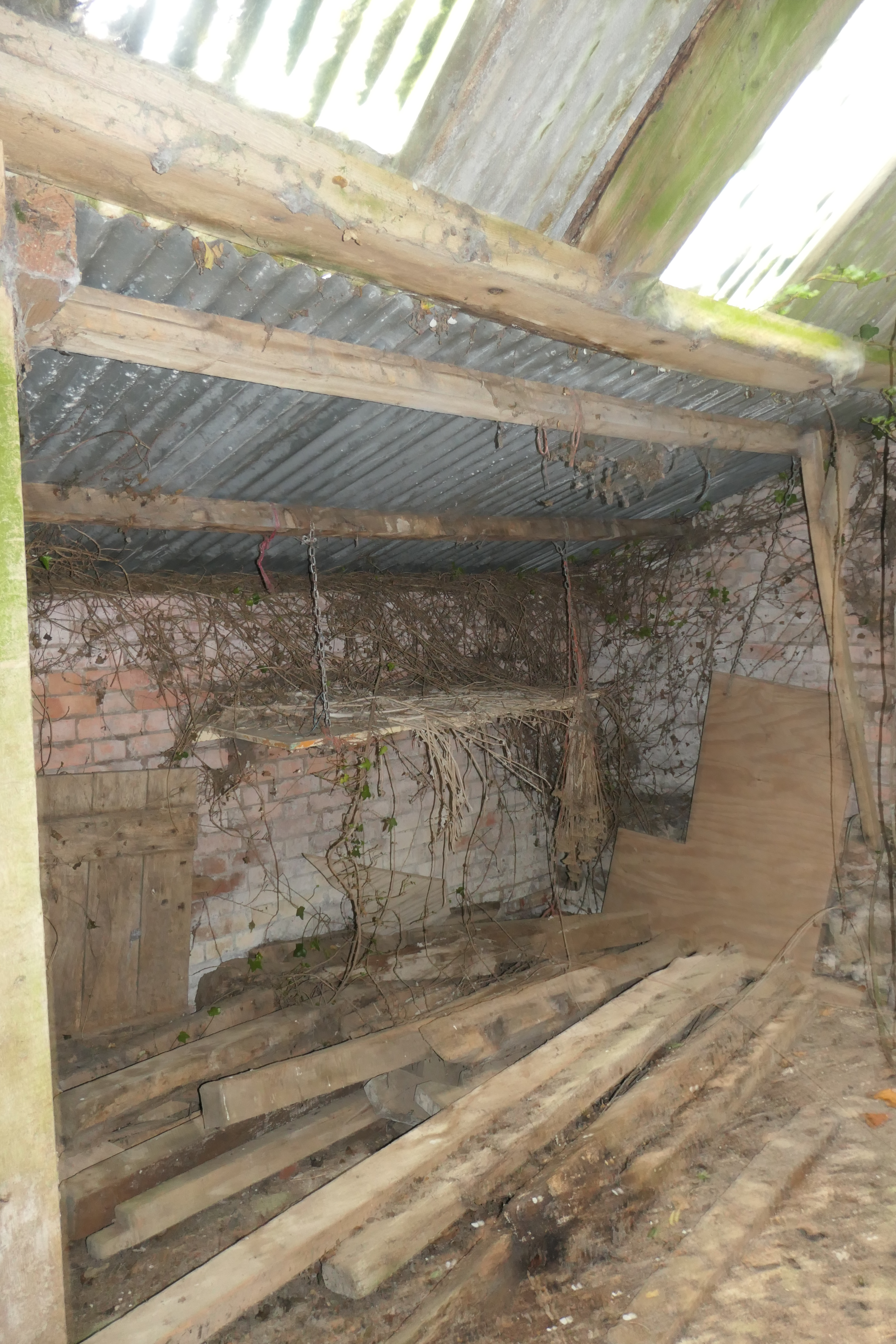
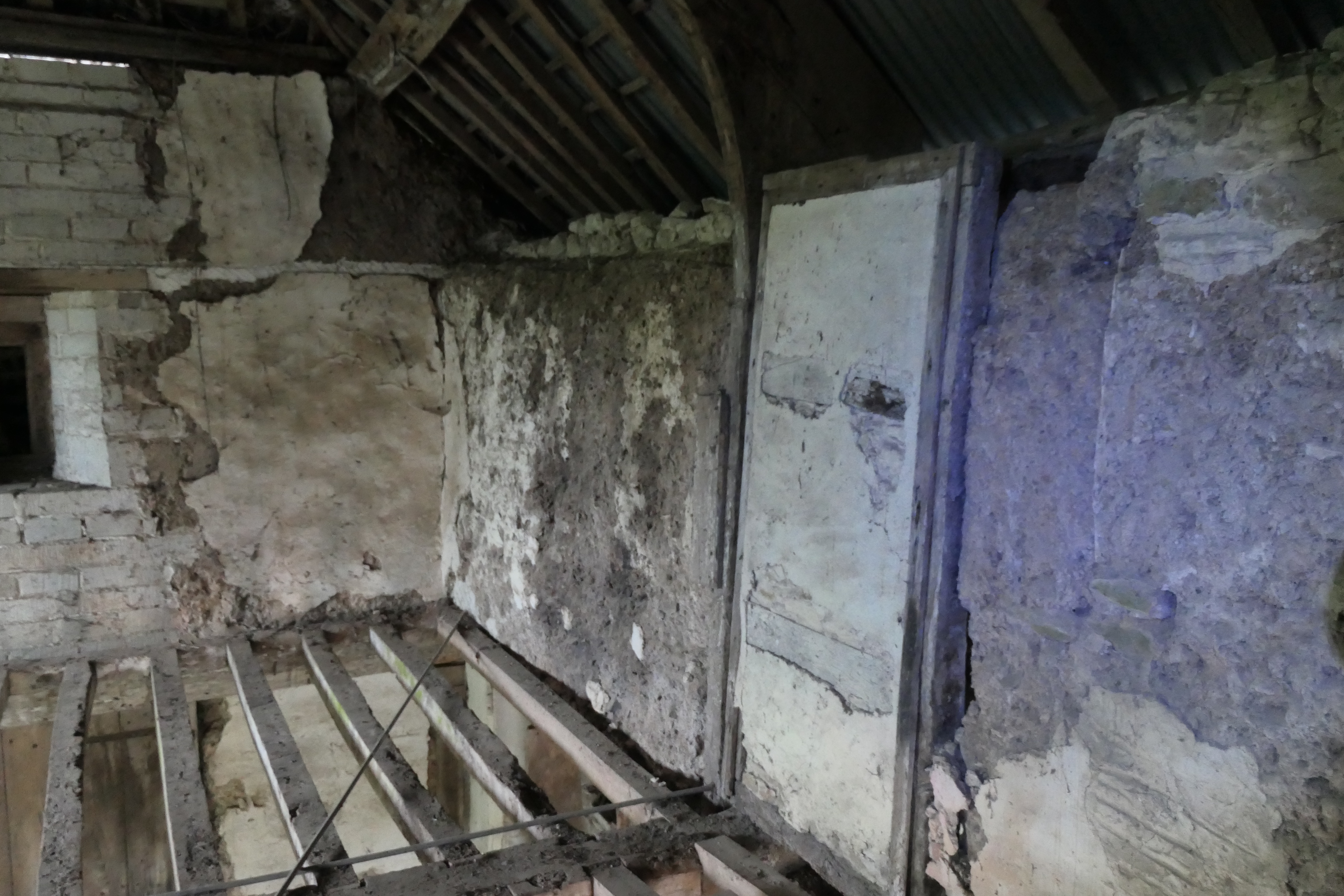
At some point in the last 20 years, the building was protected with a tin roof to minimise rain damage, but in some places you can still see the original thatch on a lean-to, which is crazy that it’s lasted so long! The walls themselves seem to be a real mix of traditional cob, stone, brick (a lean-to added later), and modern breeze blocks that seem to have been used to stabilise the building (we’re hoping we can cover them up rather than be forced to replace them, given we think they were council-funded…)

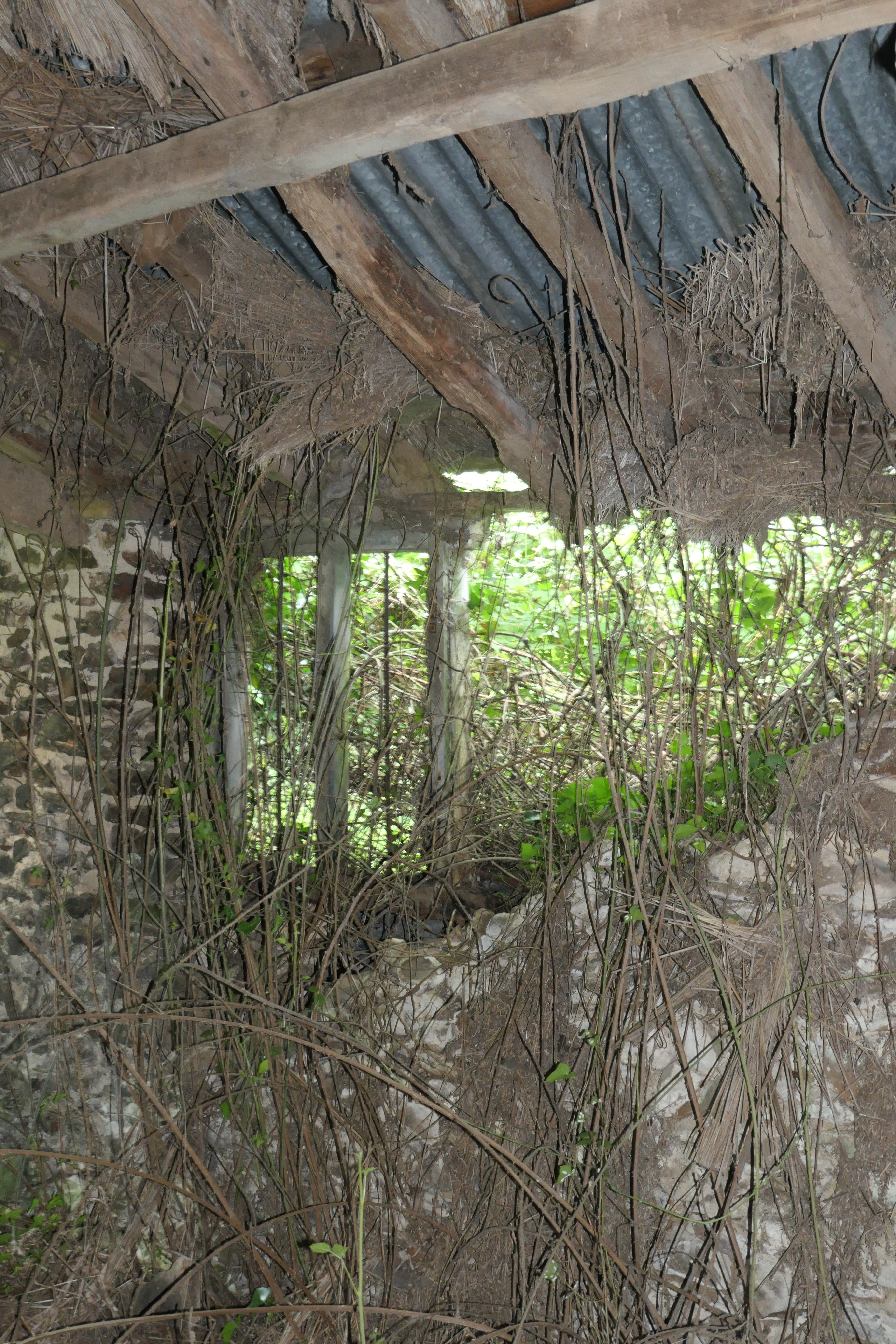
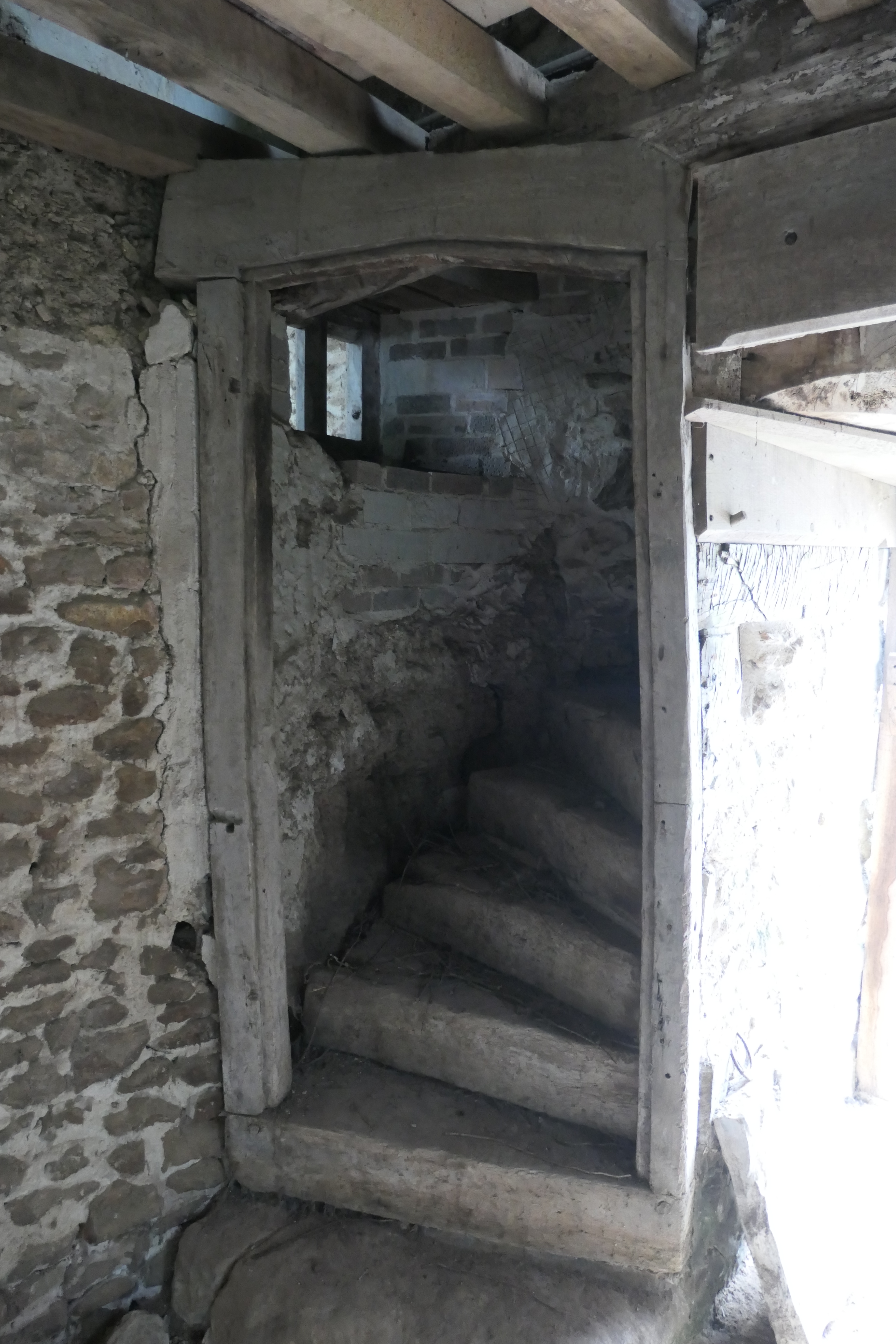
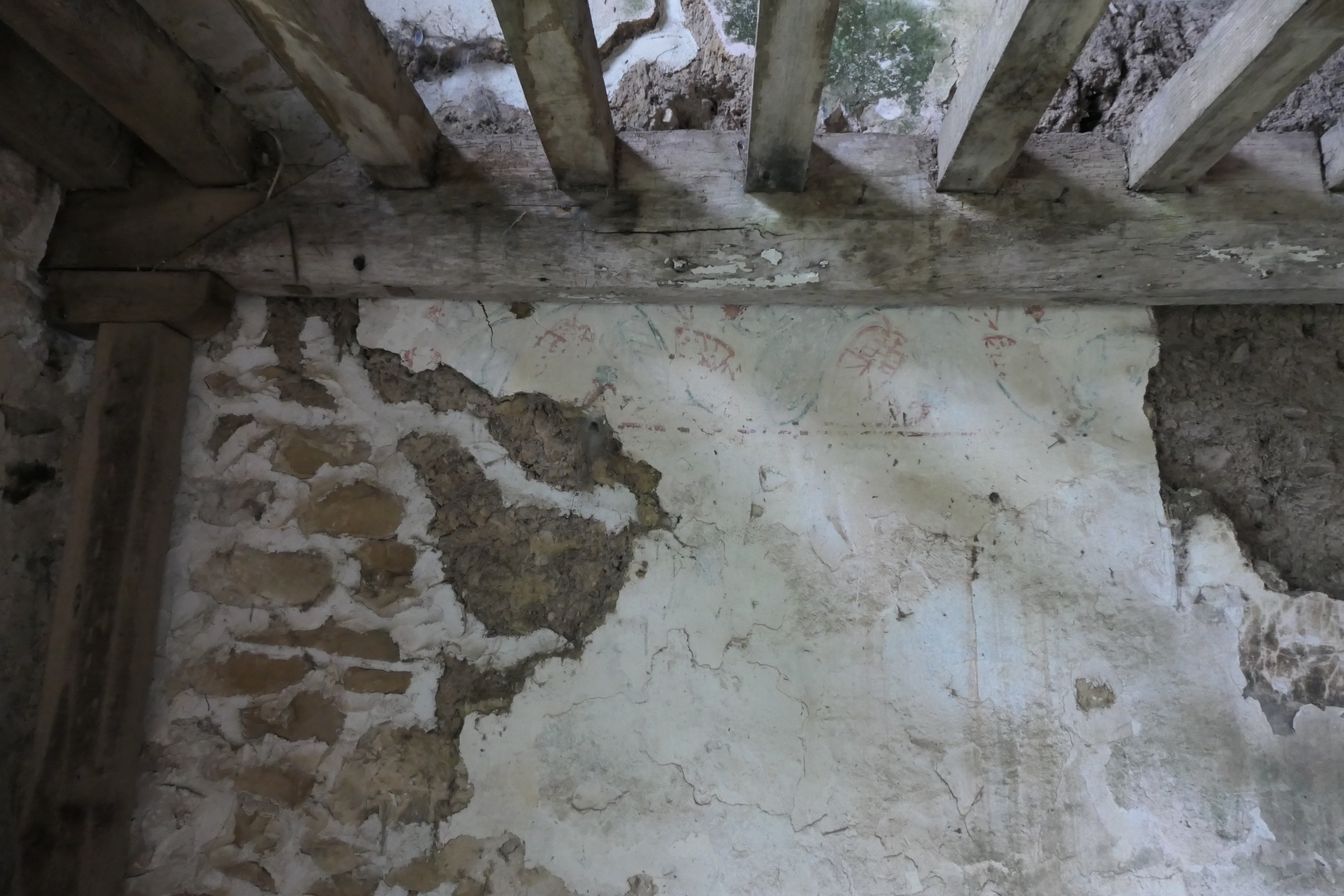
Other original features include the staircase that winds round a corner of the room – complete with the original arched Tudor doorframes with chamfered surrounds; and a couple of wooden window frames that now look into each of the lean-tos, but would originally have been externally-facing. The more recent leaded external window panes have fallen out and so the building isn’t watertight. A faded frieze is visible on one of the walls, which caught our eye when we first viewed the property and is one of the reasons we wanted to buy Ley Farm. There’s supposed to be a beautiful fleur-de-lys somewhere (based on a photo taken at the time of listing) but we can’t find it anywhere, and there’s a chance that it’s been covered by algae. While we remain in planning limbo (now 6 months with no promising signs of resolution), we’ve decided to press ahead with a conservation surveyor’s report to see if there’s anything we need to do immediately to prevent further decay, so we don’t lose any of these fabulous features.
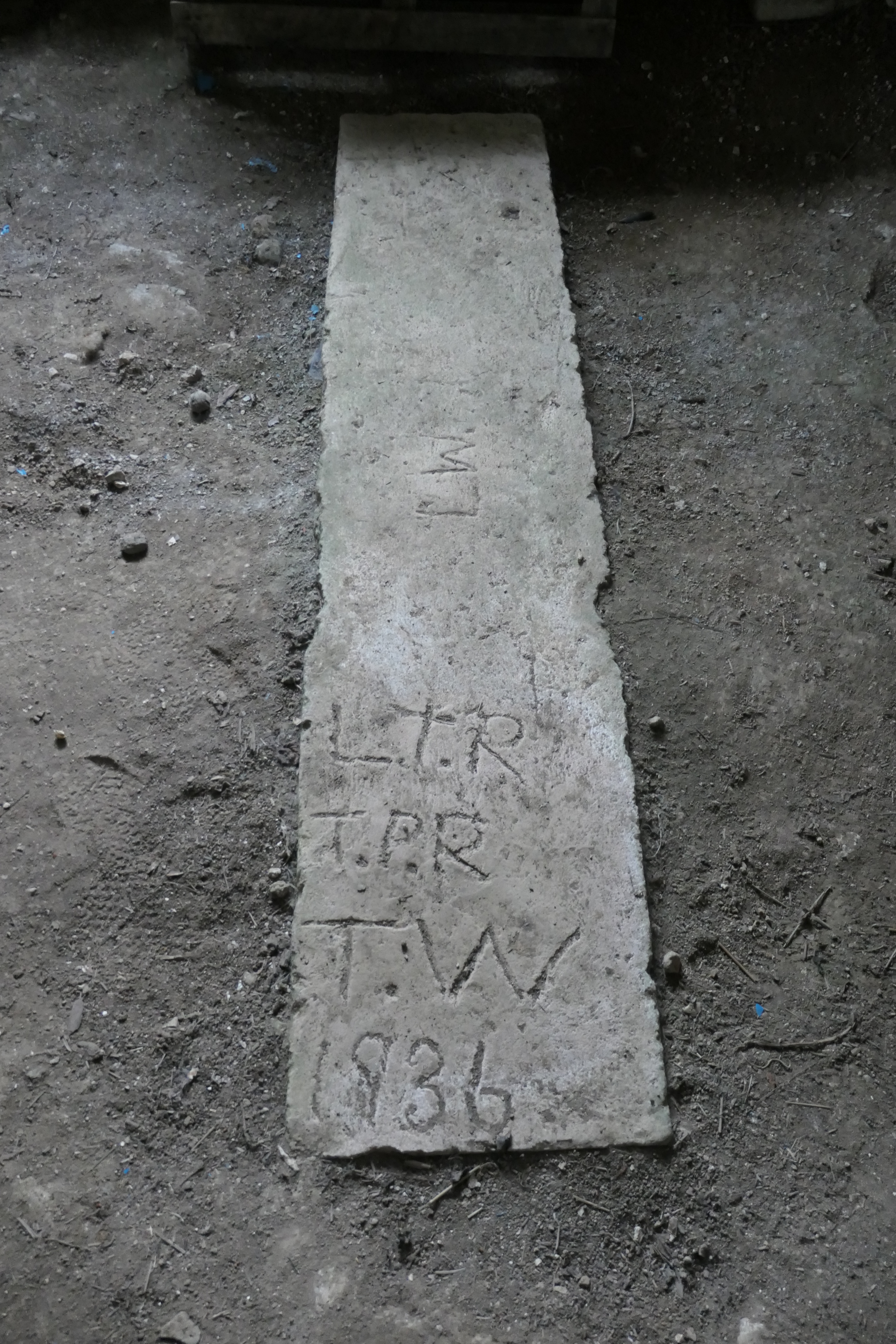
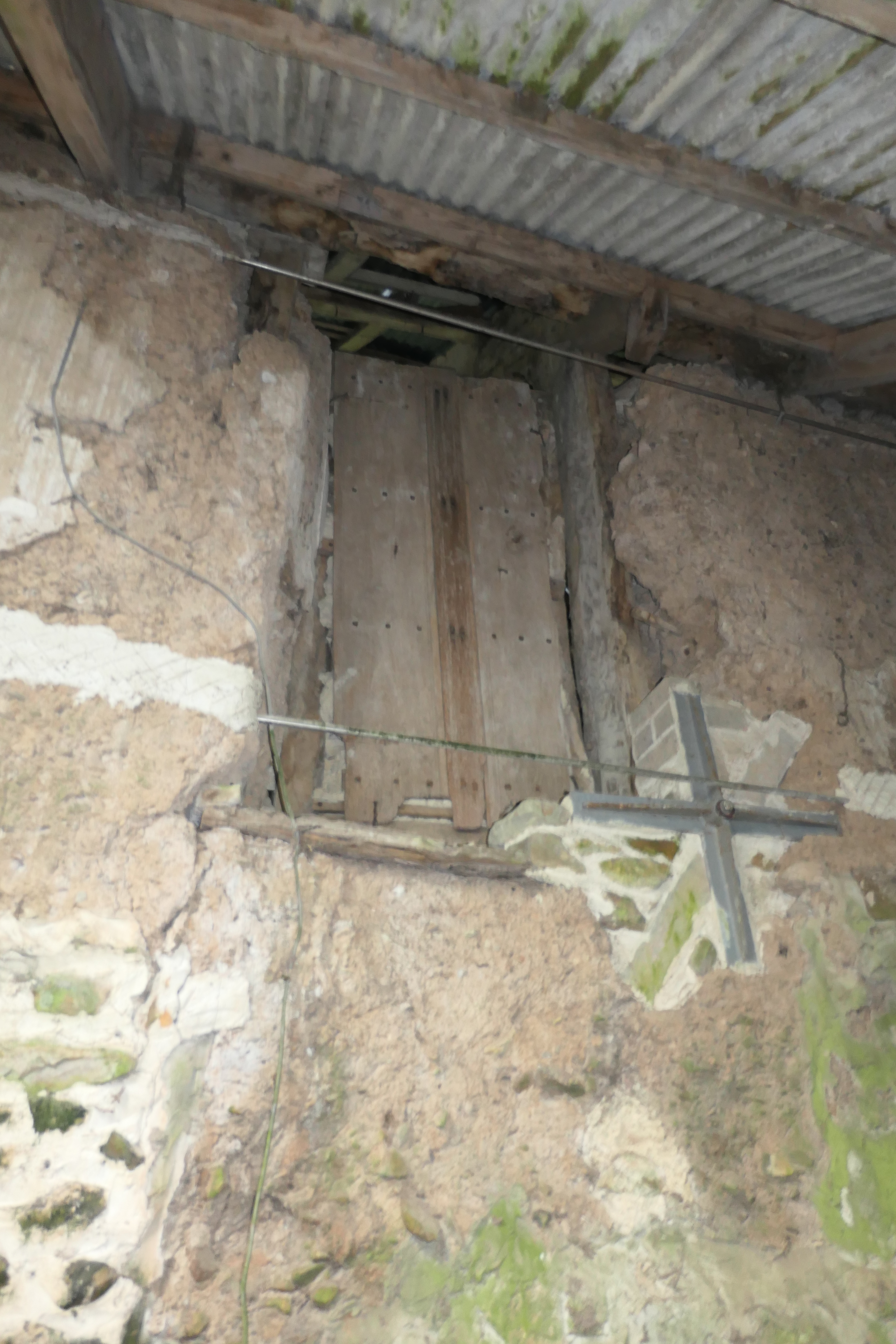
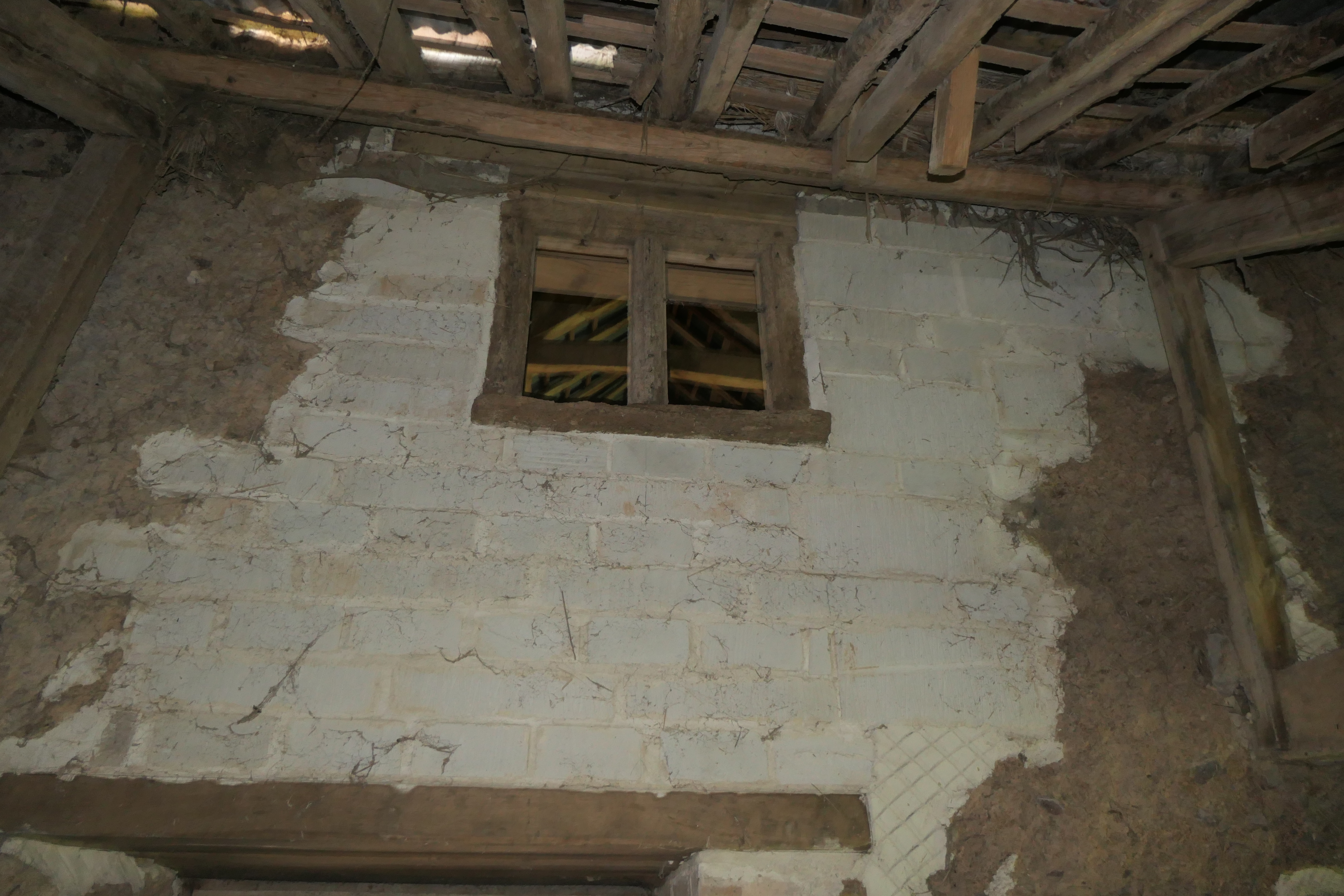
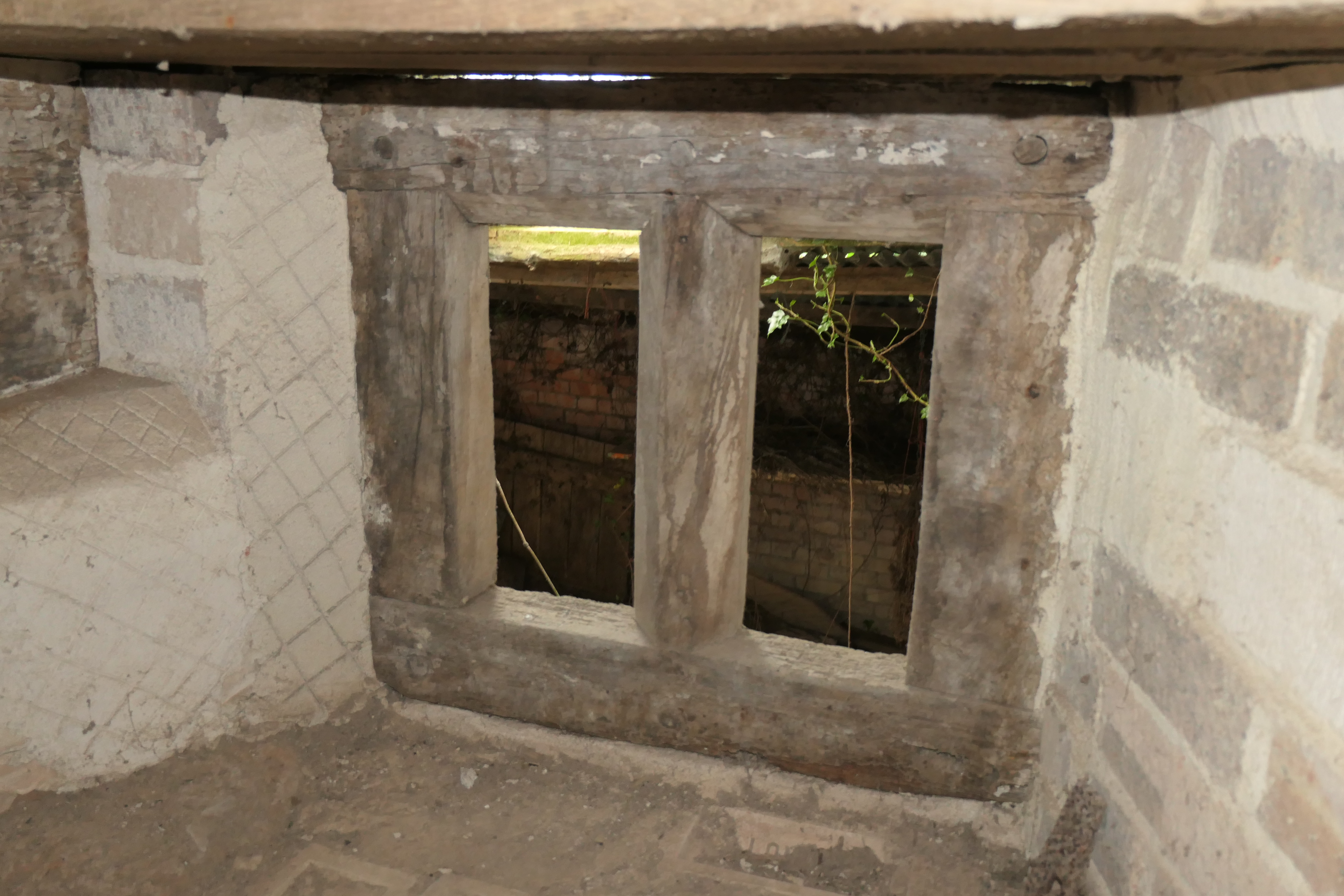
Our hope is to undertake immediate preservation measures for now, while we complete the other buildings, and then use them to finance the Tudor cottage renovation, but we’ll see what the council think about that! Our long-term goal is to turn it into a beautiful, sympathetic one-bed luxurious cottage, but this all depends on planning and what the council agree to us doing. Frustratingly, they don’t seem to understand that we want to restore this building properly when we have the money, which is why they’re trying to tie us in earlier when we simply can’t afford it. Fingers crossed we can reach a sensible compromise that means we can start with the renovation activity and focus on the rest of the site in the short-term, and get things moving!!
The original listing from 1988 is here: https://britishlistedbuildings.co.uk/101306566-cottage-approximately-2-metres-north-west-of-higher-lea-farmhouse-yarcombe#.YLzgFWZKifU
 Ley Farm Cottages
I so hope that planning will come to understanding your need to get your business up and running in order to finance restoration of the Grade II listed building, dating back to the 16C, which is currently in a dilapidated state.
Understanding means passing your planning application to create cottages from the barn and shippon enabling start up of your business and generating income which will in time fund this sympathetic restoration creating a luxurious one bedroom cottage.
This would be then a satisfactory outcome for both you and Devon council with restoration of the listed building given a decent time frame!
LikeLike
Amazingly short sighted of Devon council. I so wish they could read your blog and understand how frustrated you must be.
From Caroline’s iPad
>
LikeLike