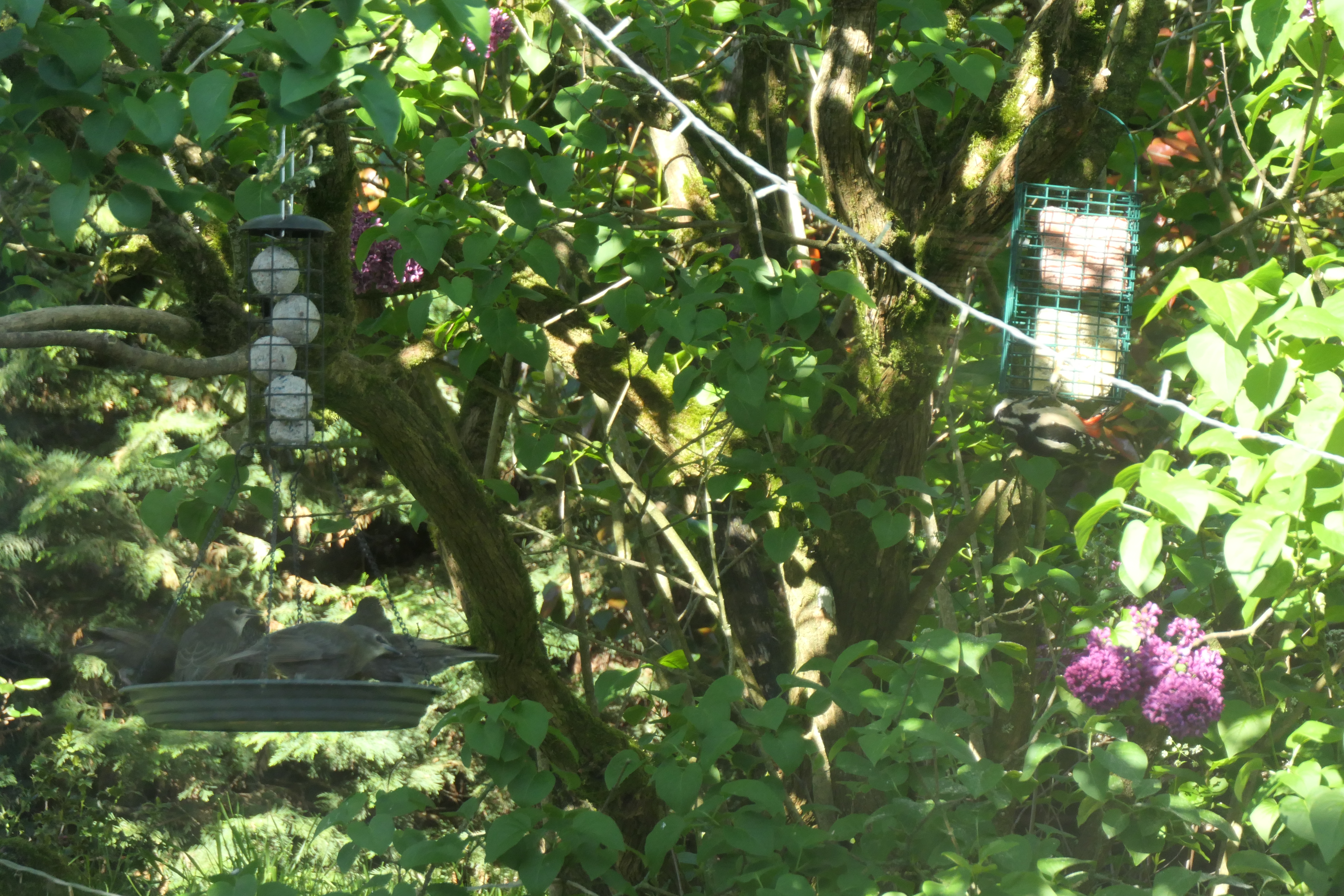
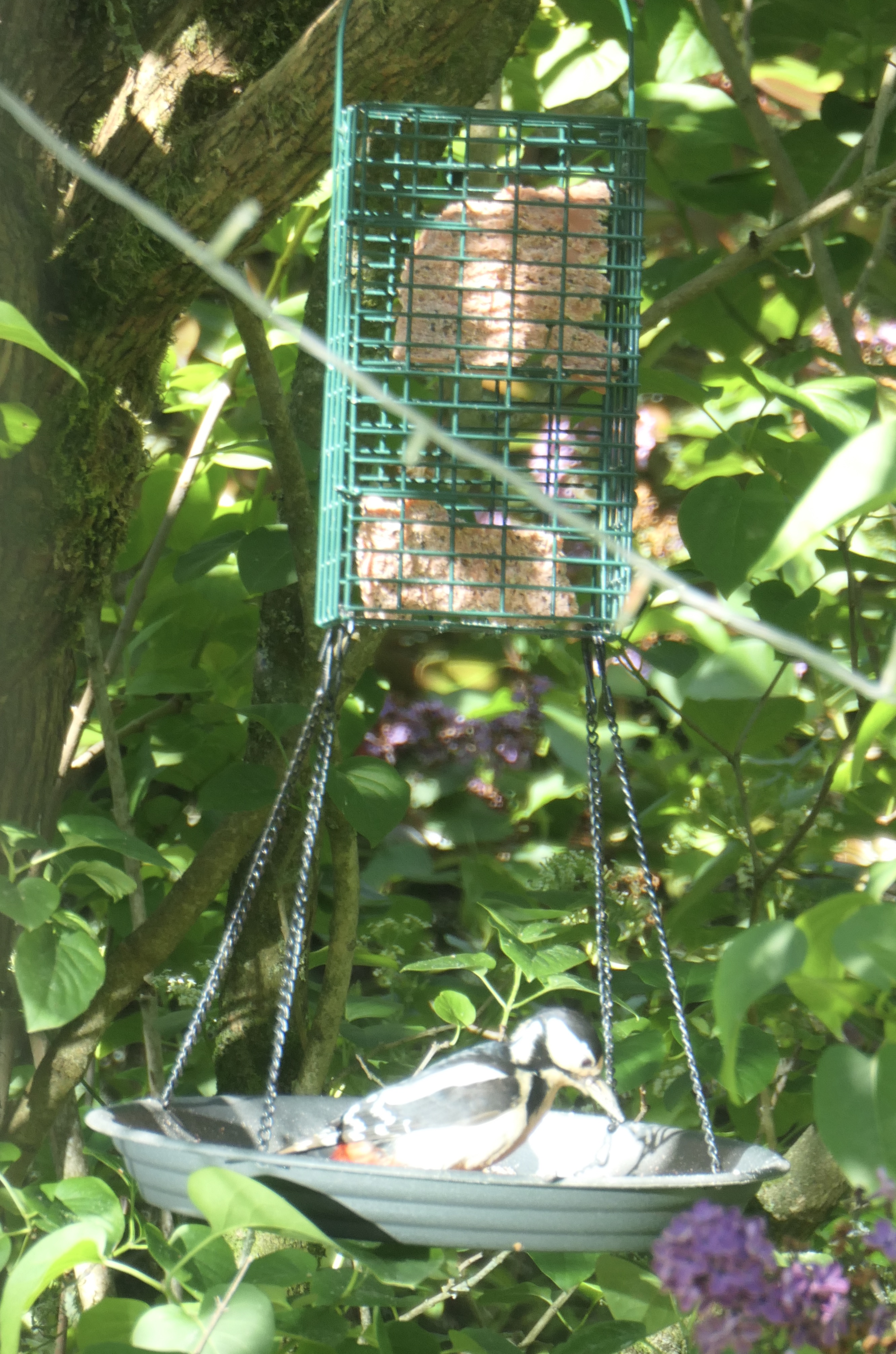
If you saw our blog back in January, you’ll remember our excitement at seeing so many bird species in our garden (ably attracted by a variety of suet, seed and nut feeders). It’s been so interesting watching how some of the species have changed since then – our nuthatch hasn’t been seen for months now, and our pheasants are staying in next door’s fields. After a brief disappearance, our woodpecker has returned with a mate, and at least one of them visits several times a day – we’re hoping this means they’re bringing up a family that we’ll see at some point!
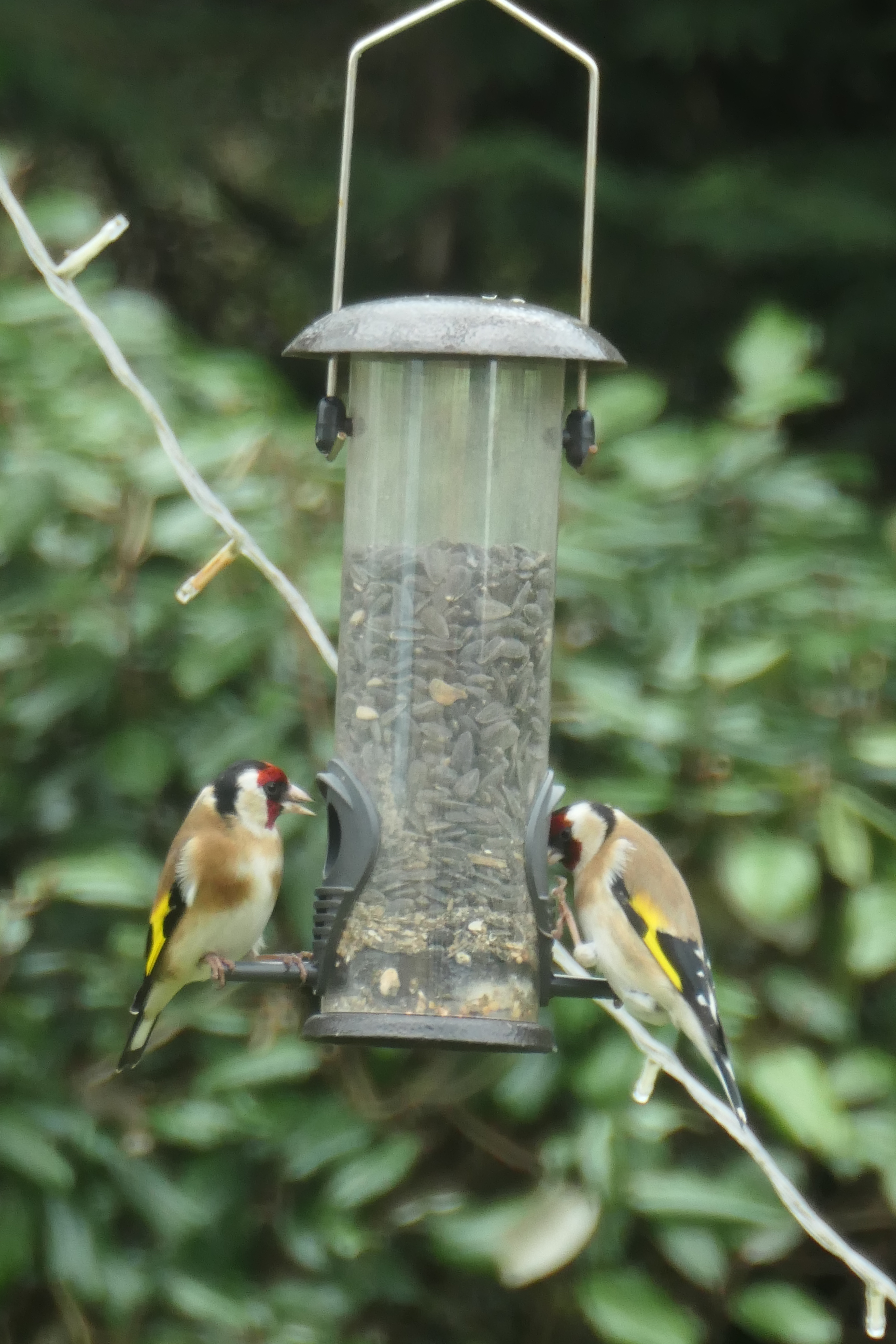

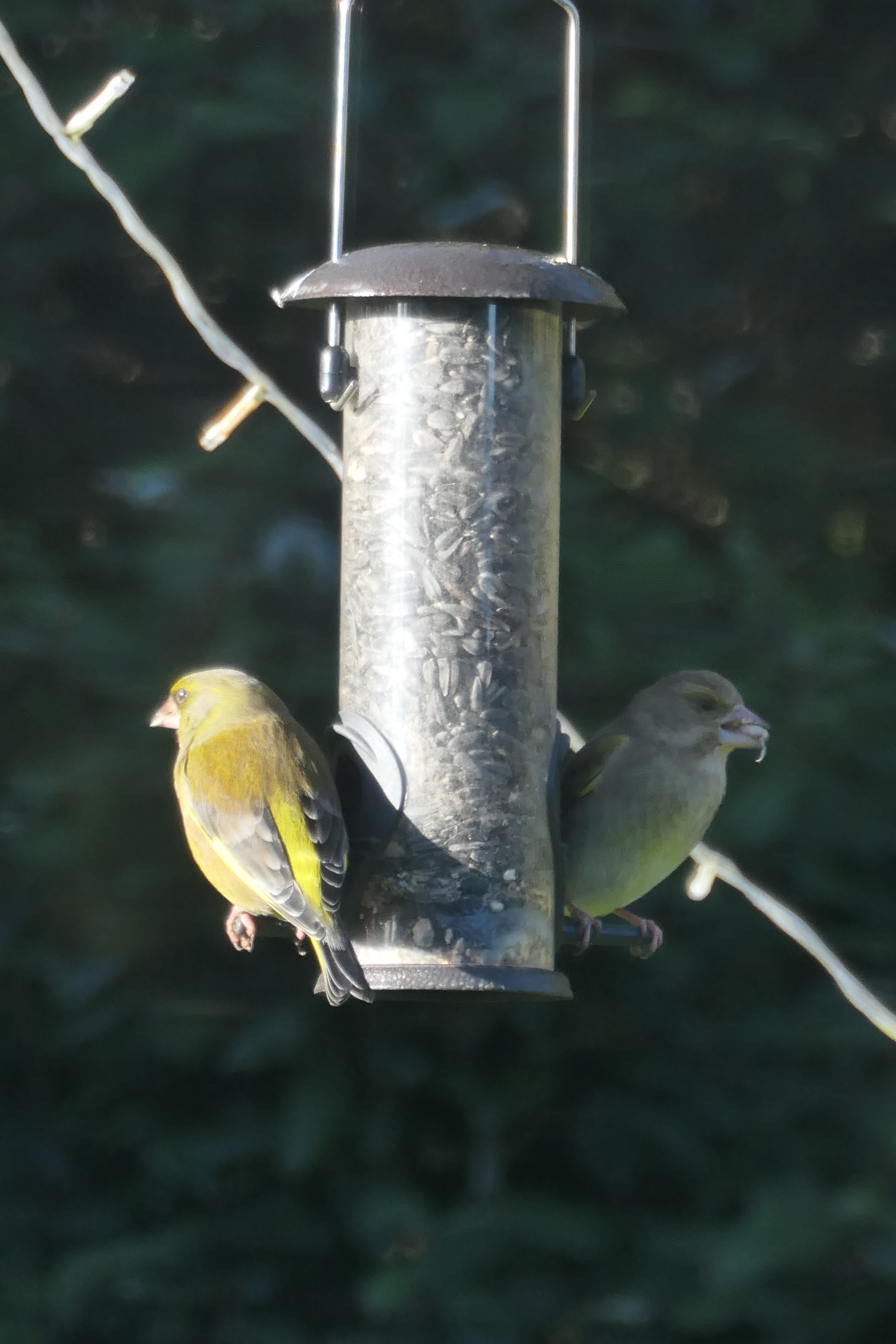
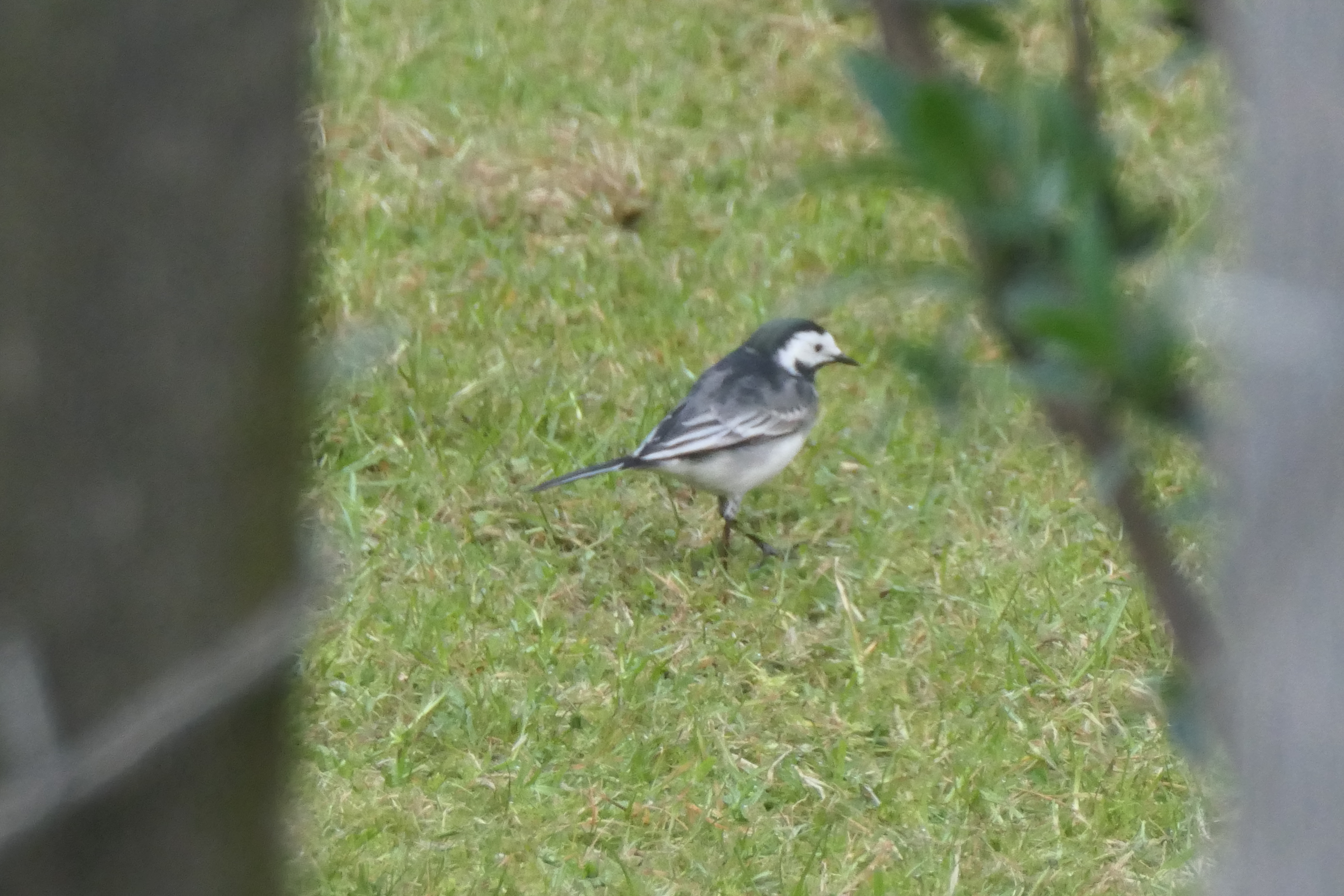
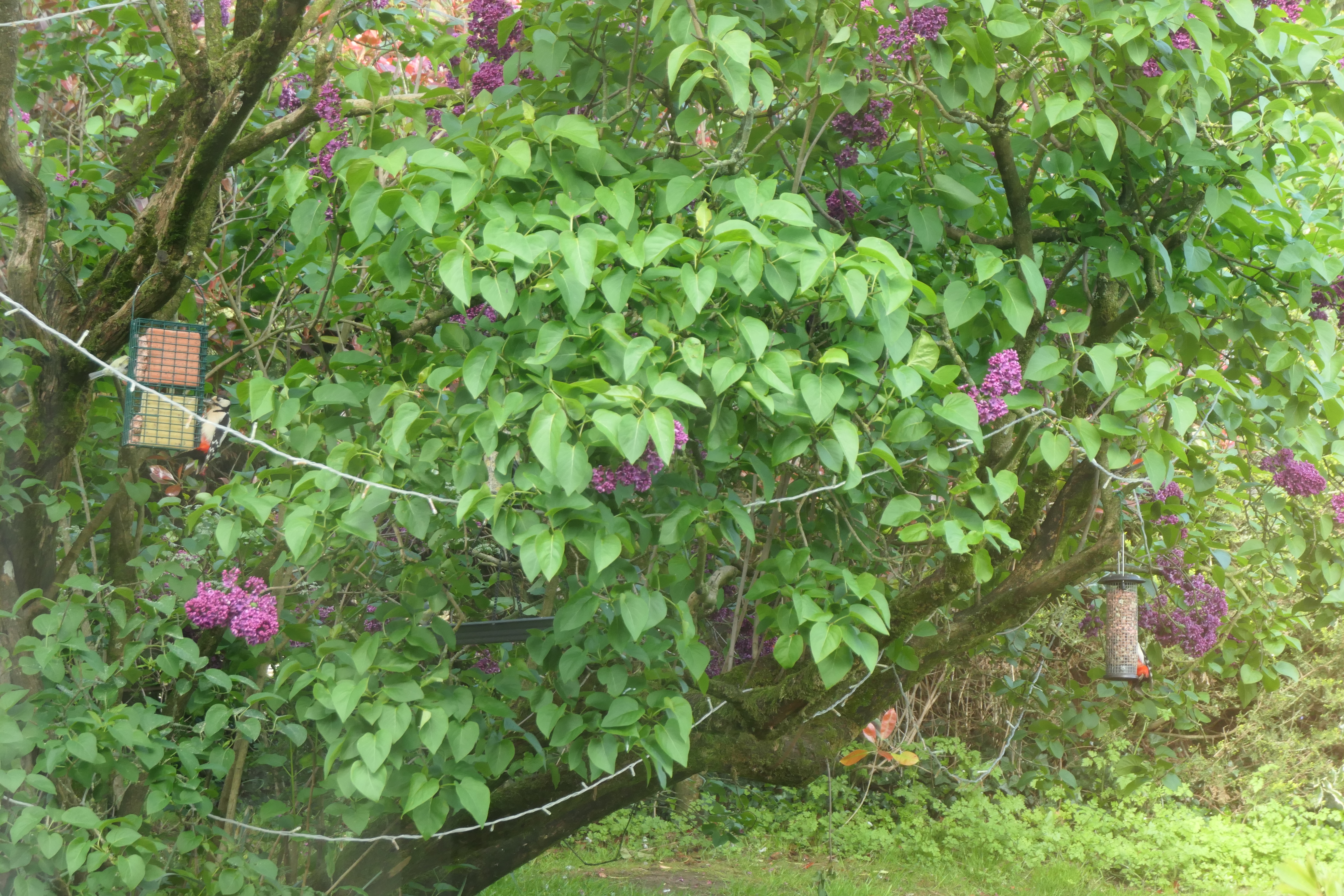
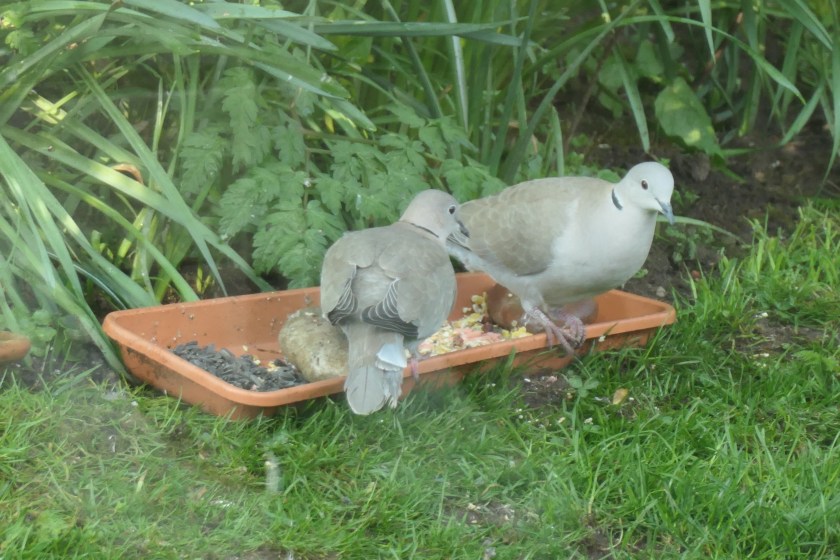
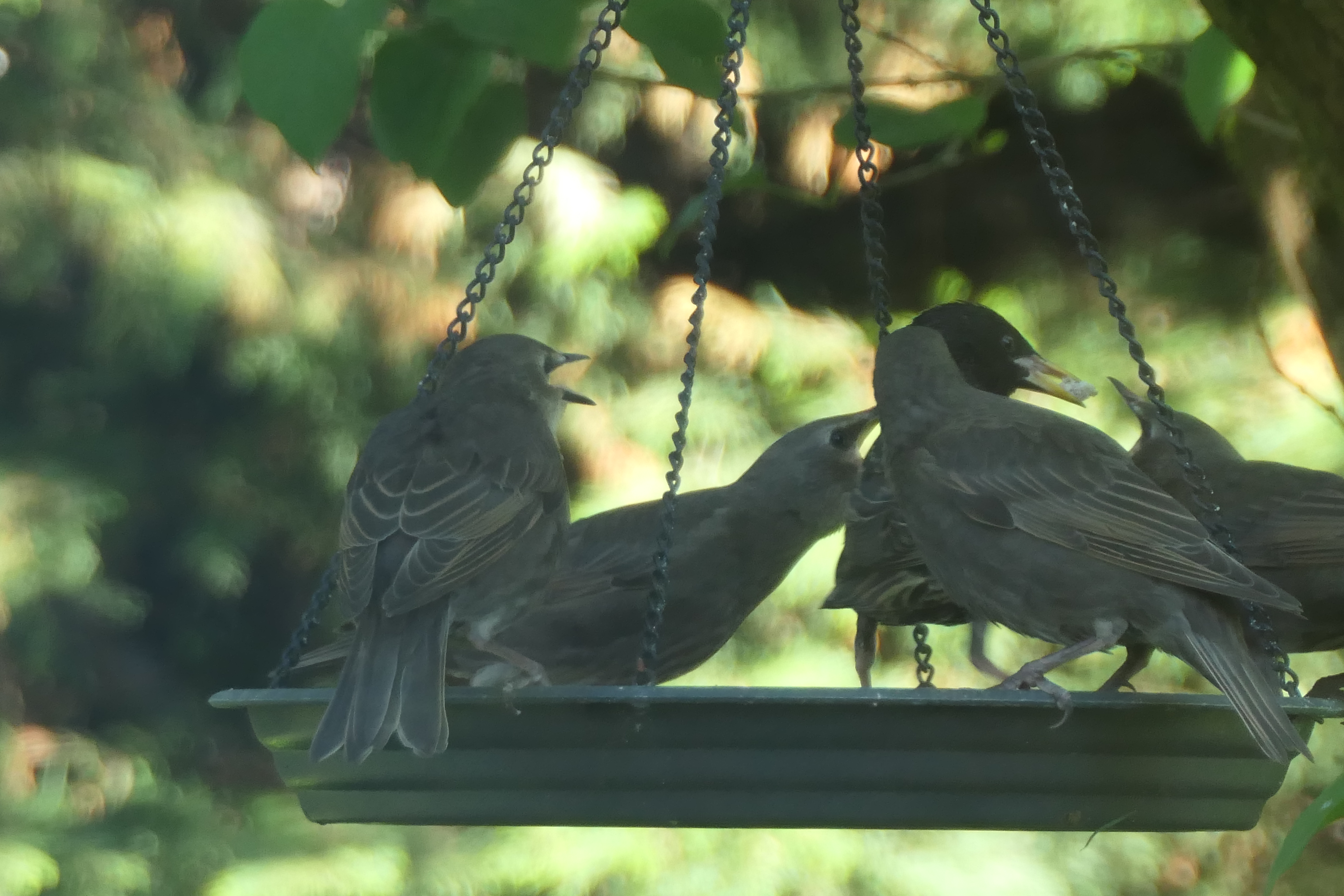
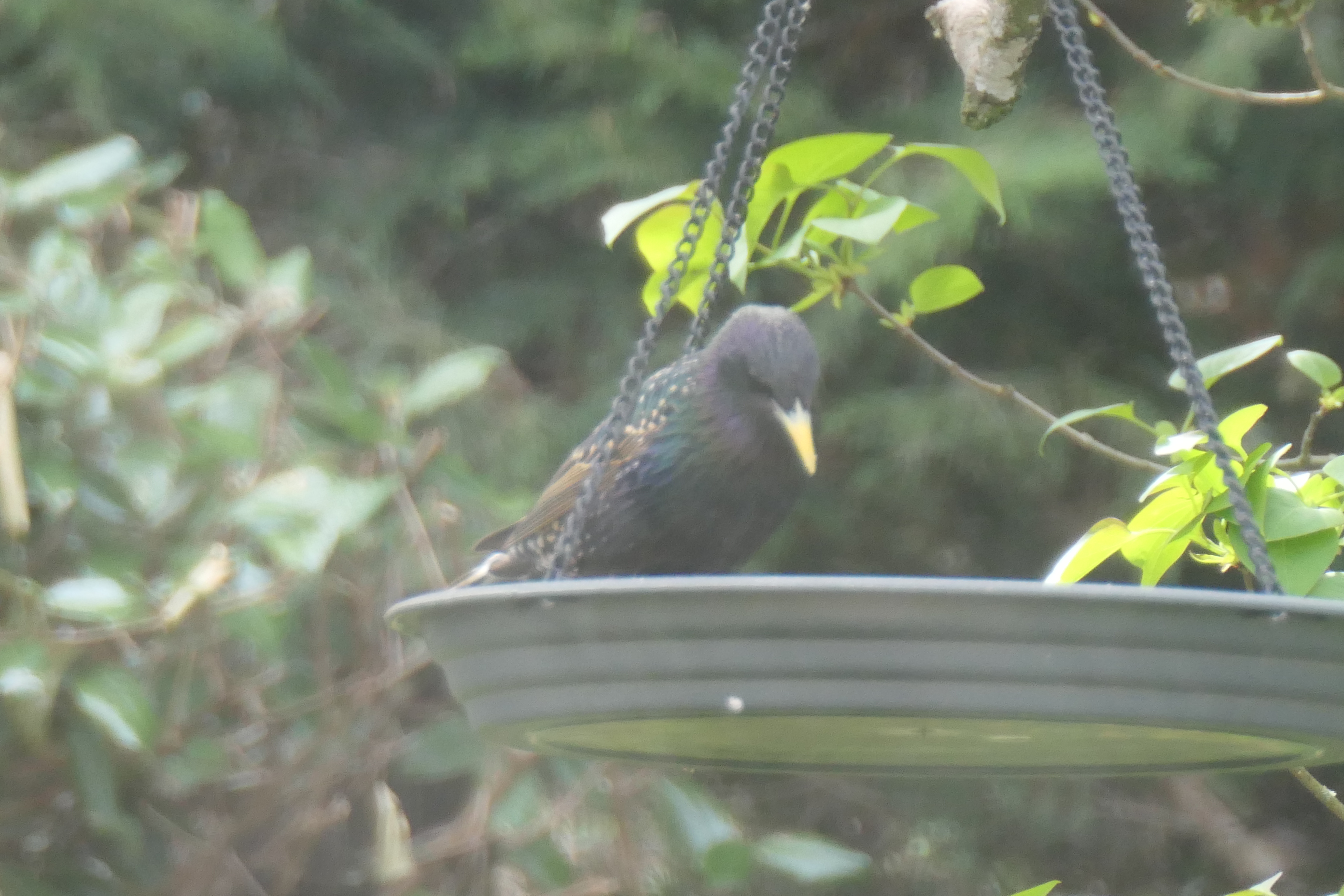
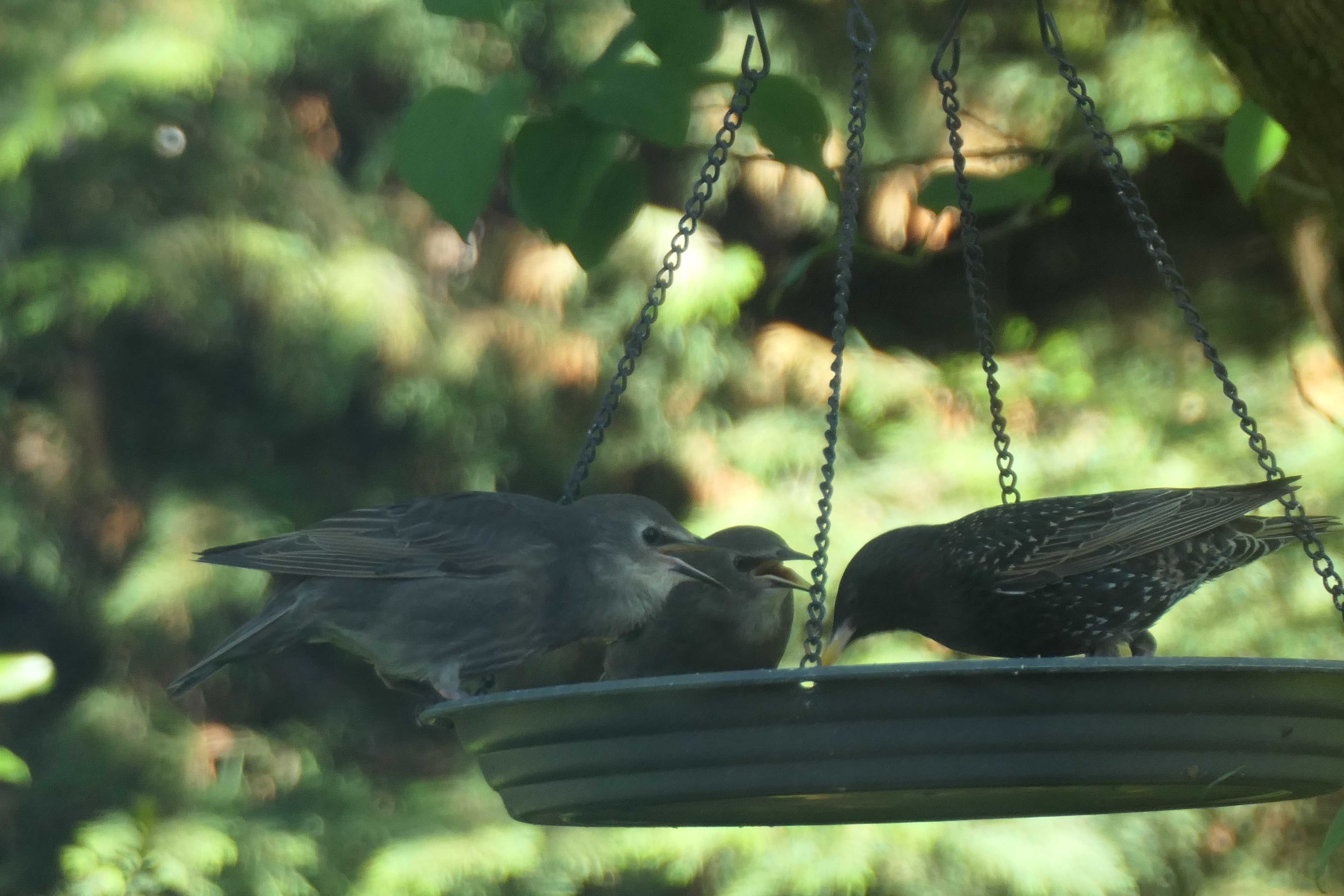
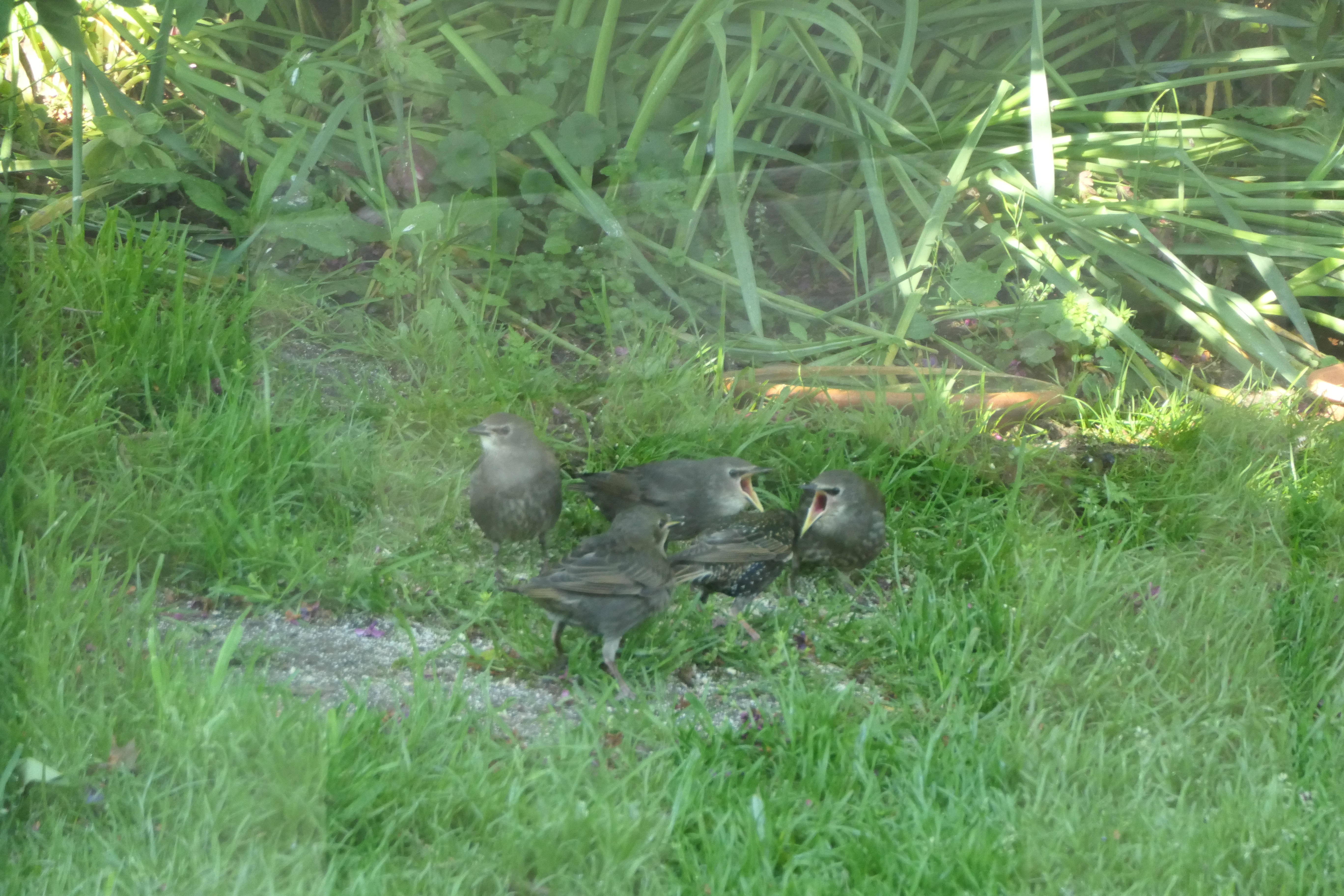
We’ve had a pied wagtail (just the once), a pair of goldfinches, a pair of greenfinches and a pair of collared doves since early spring, and even caught the doves getting frisky the other day! And a family of jackdaws or crows are living in our Tudor cottage – it’s fantastic to hear the chicks squark so loudly when a parent is circling and then somehow slips through a small hole in the chimney. But the best moment has to be spotting a family of starlings in the back garden, with the parent feeding the chicks, and their mouths opening greedily.
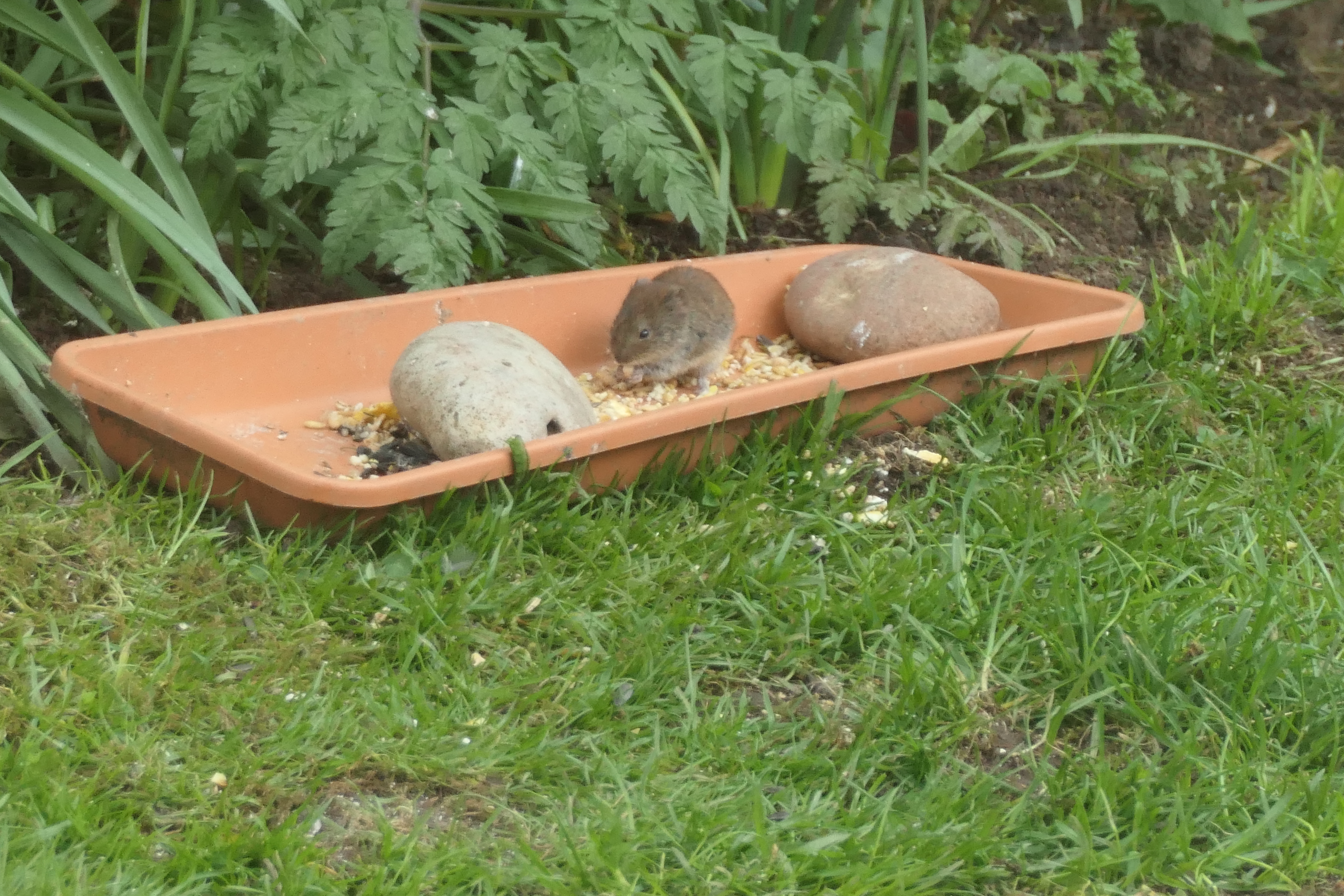
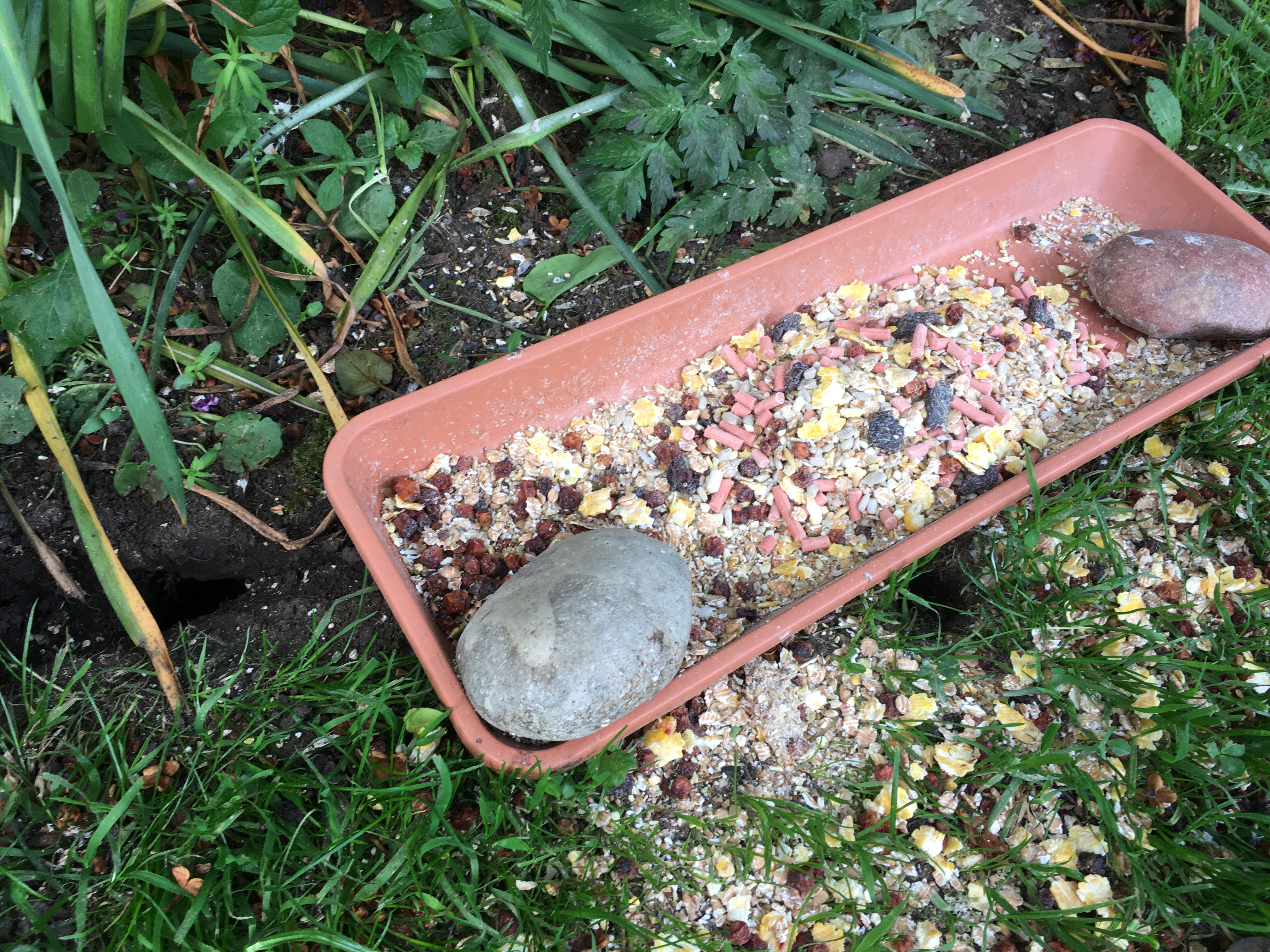
And our resident mice who live in our garden walls seem to have started tunnelling right up to the food trays, with a few small holes appearing beside it. We thought they’d been a bit quiet recently, now we know why!!


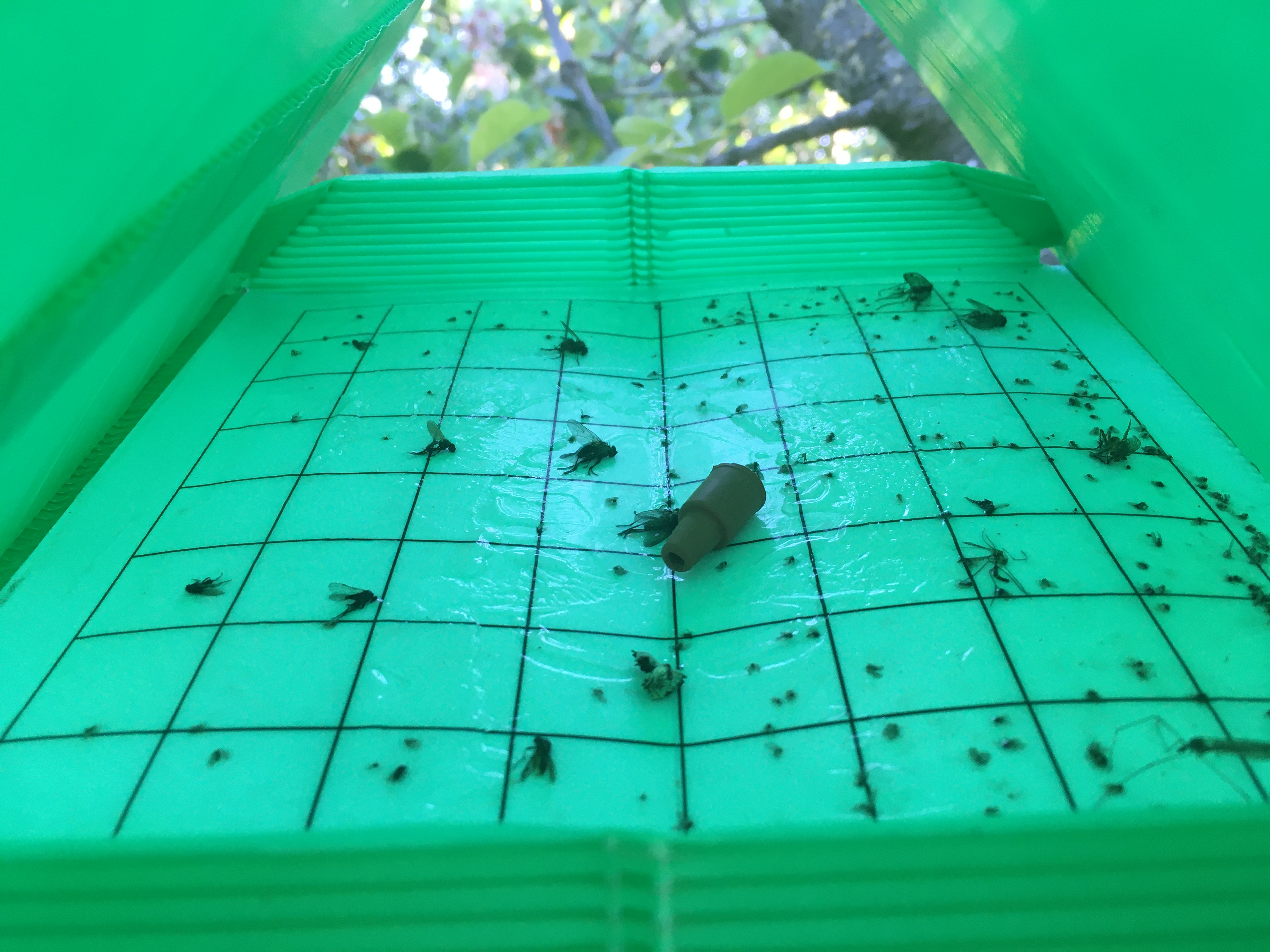
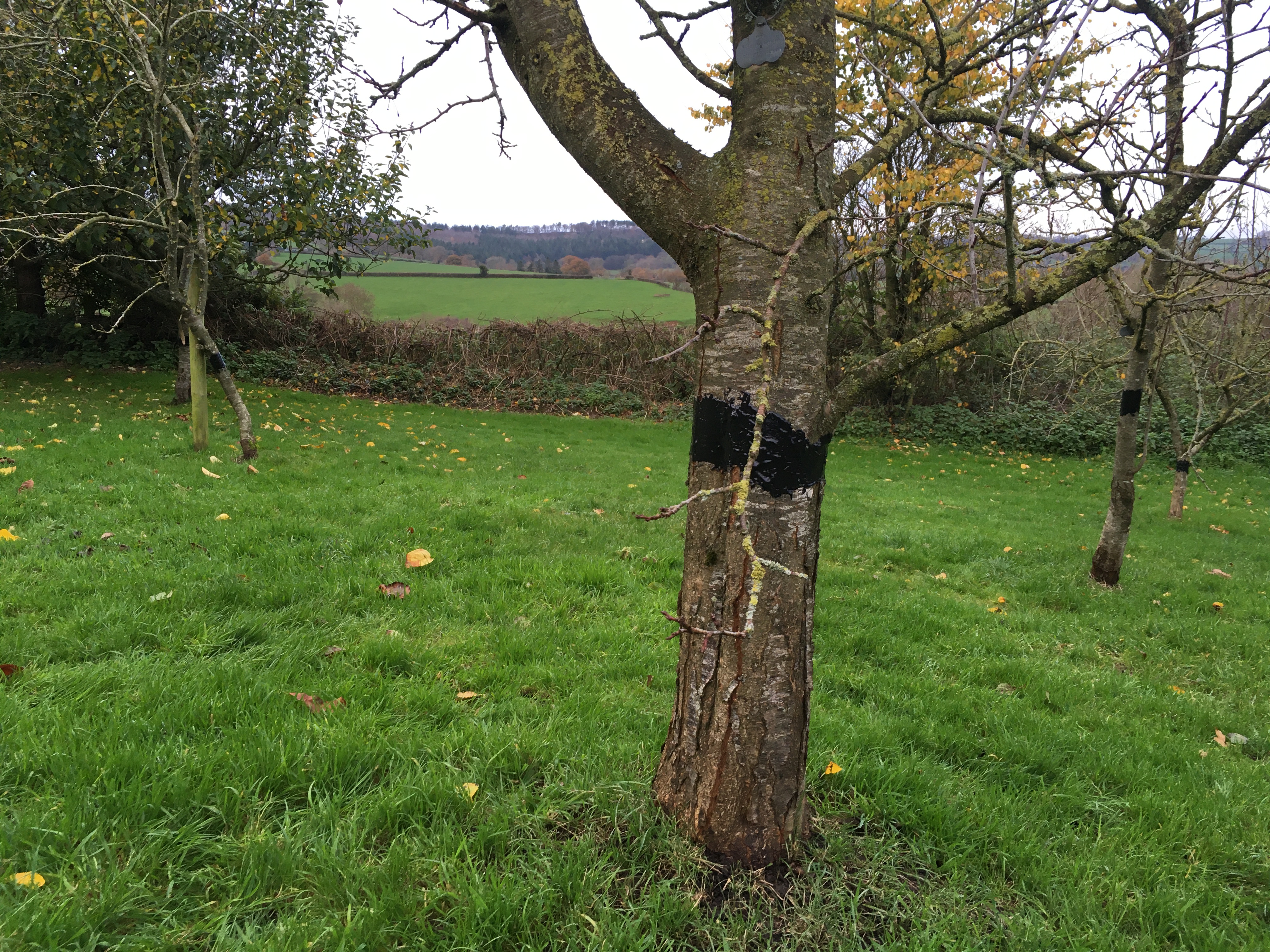
We’ve also been keeping a close watch on our orchard trees. Last year we lost a lot of fruit to codling and plum moths, and to disease such as apple canker and bitter pit. We’ll never forget what we deemed ‘Apple Russian Roulette’ where we cut into each apple wondering what insect would crawl out. So we’ve spent a number of evenings reading up on recommended solutions – and have treated the trees with nematodes, potash, grease bands, and more recently, calcium fertiliser. And touchwood – it seems to be working. We installed pheromone traps to monitor codling and plum moth numbers and so far, only seem to have caught a couple of moths – which suggests their prevalence has reduced. It’s definitely too soon to be confident, but so far, things are looking good!

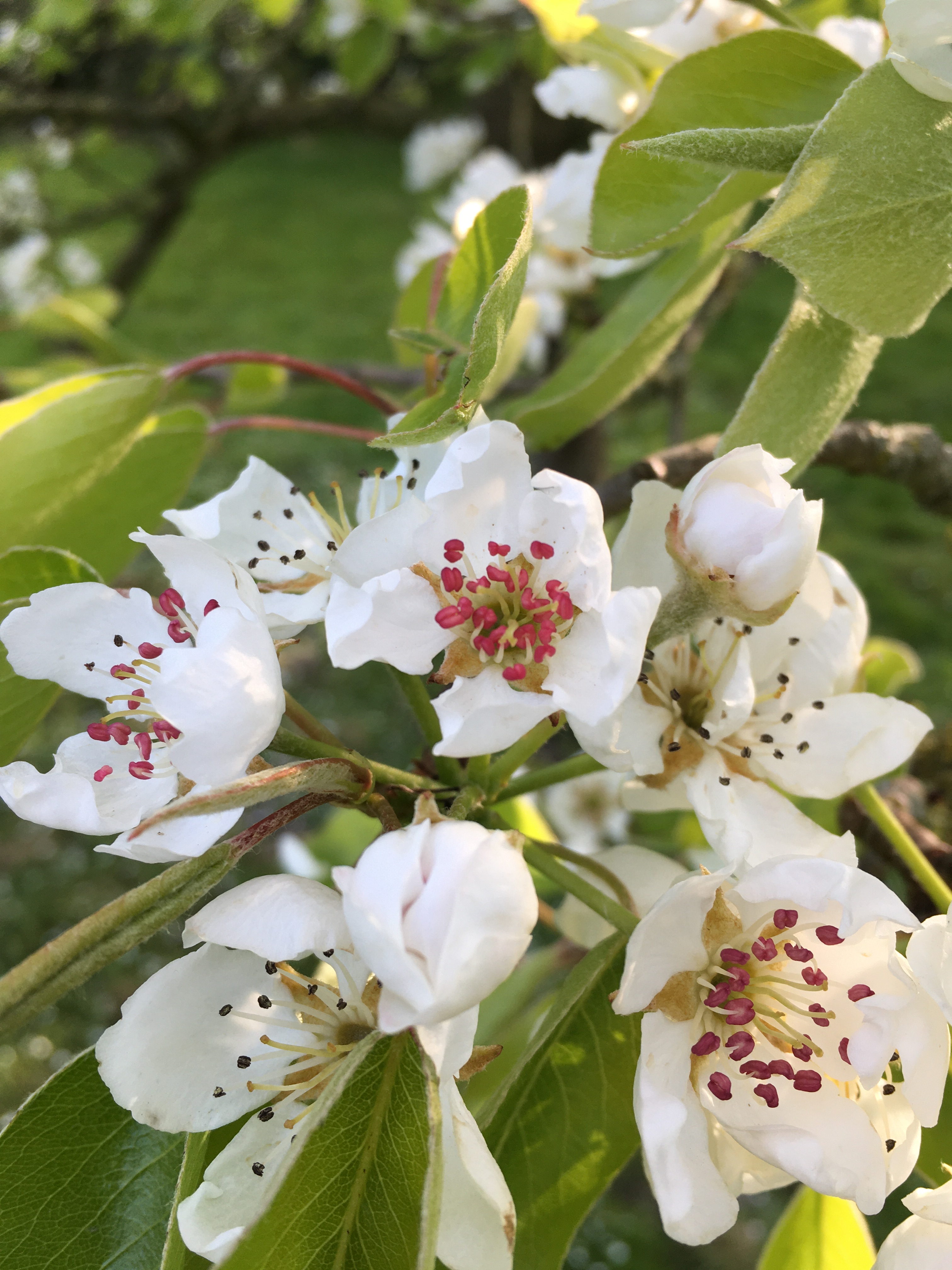
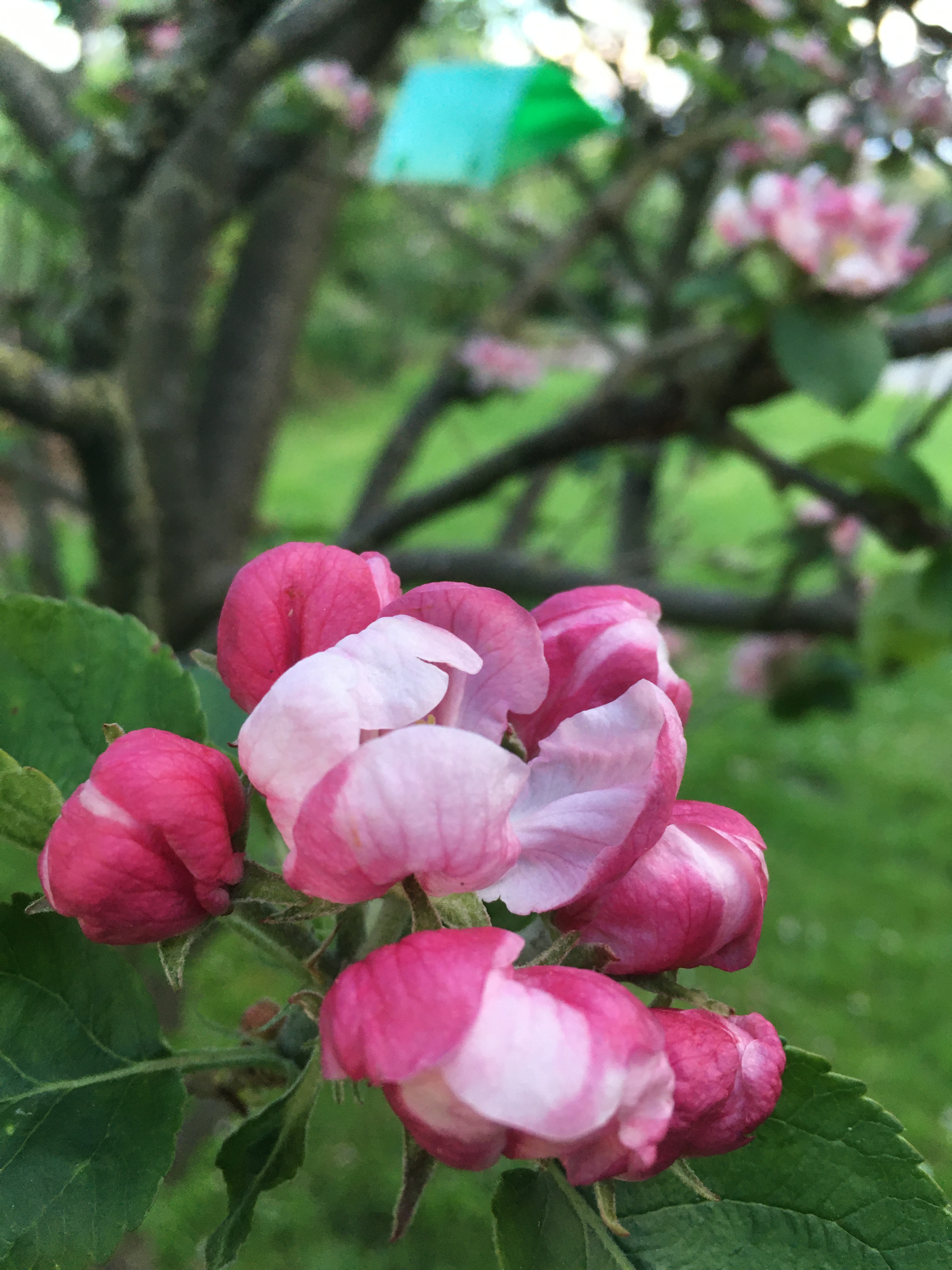
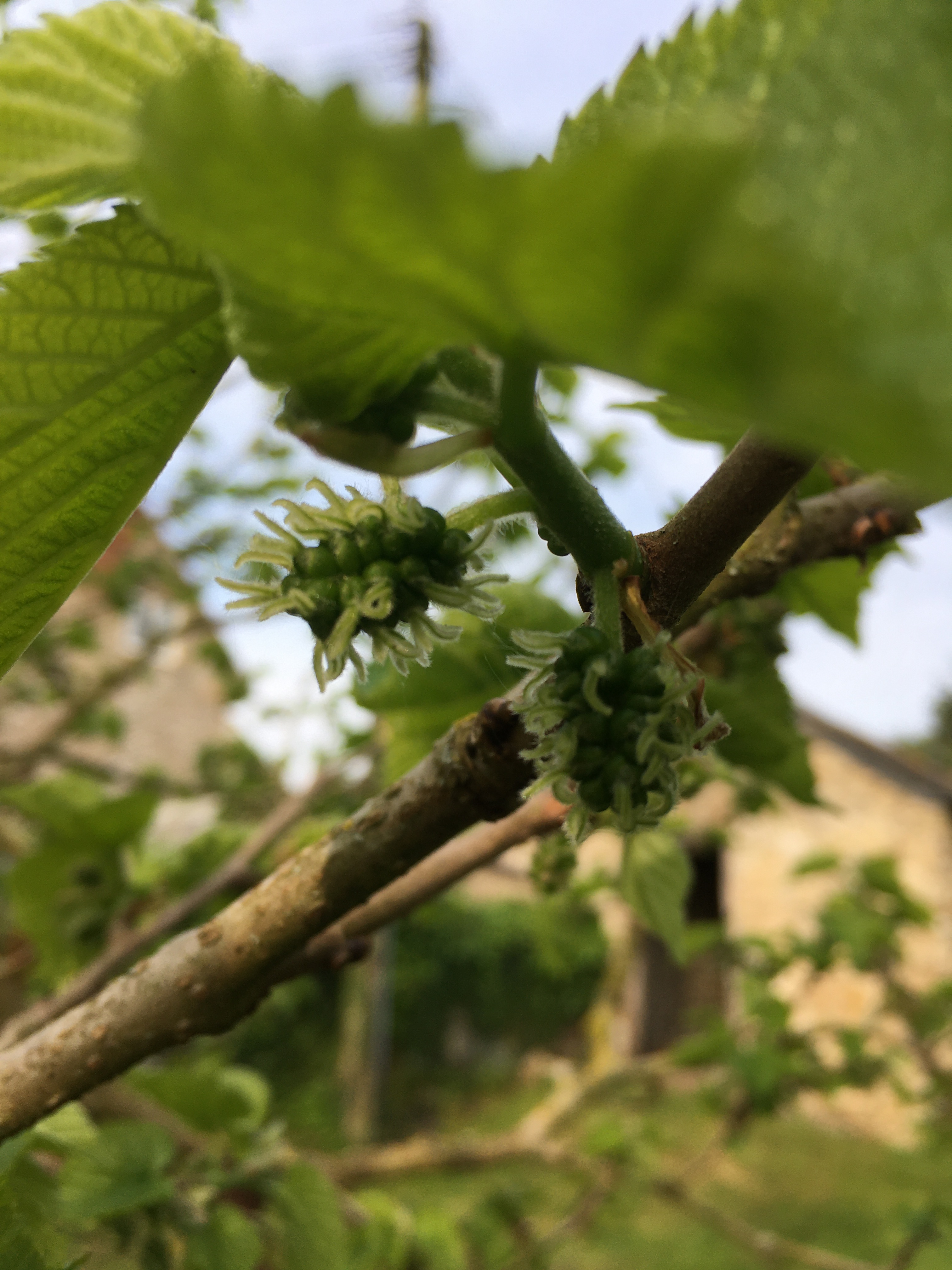
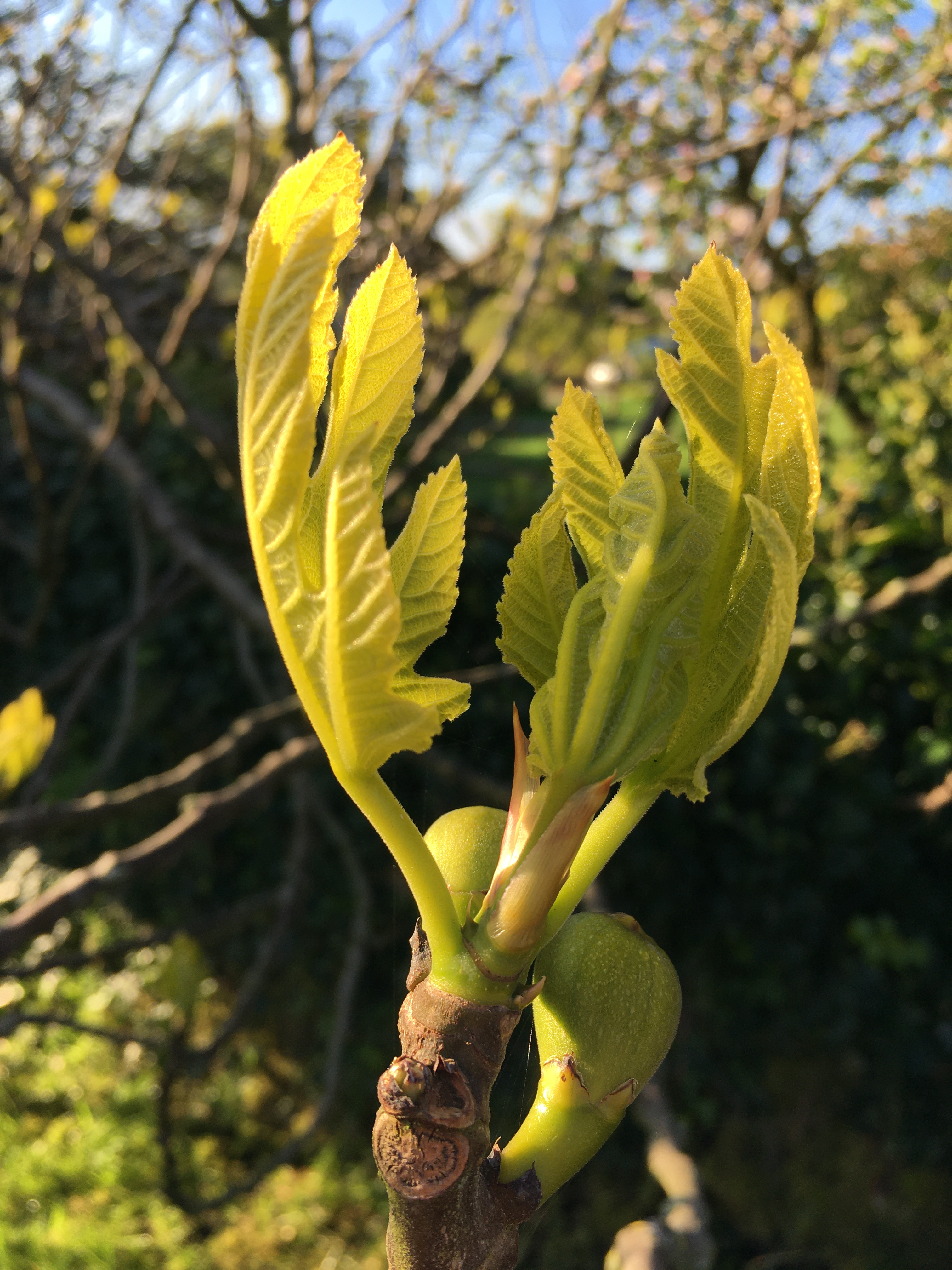
The blossom has been really beautiful this year – and it’s been interesting to find that the trees all start growing at different times of year – with plums starting, followed by pears, and then apples. Our quince and medlar are blossoming now, while the fig tree has started growing (no blossom, so far anyway), and the mulberry bush is just starting to sprout leaves and tiny fruit. Last year the birds took the mulberries before we moved in, so we’re hoping that all the food we put out will distract them long enough for us to get some sort of crop. We still need to work out what to do with them though – mulberries aren’t a particularly common fruit!

 Ley Farm Cottages
Enjoyed reading this – quite a variety of birds and love the mice tunnelling! 😀
LikeLiked by 1 person