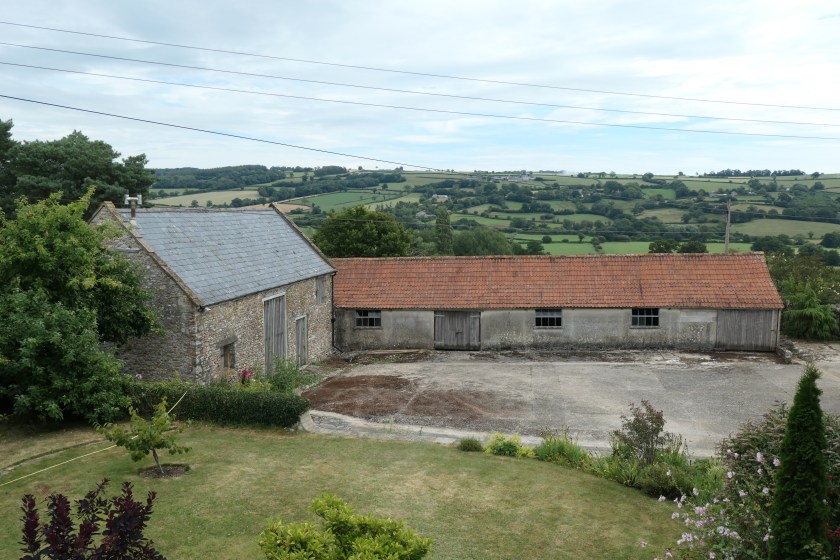
Today is exactly five months since we picked up the keys to Ley Farm, and so it feels particularly fitting that we’ve submitted our first planning application – just before our self-determined Christmas deadline! It covers the building work required to turn our three barns into three residential properties and one storage/multi-purpose space; we plan to submit separate applications for adding renewable energy onto the farmhouse and for the listed Tudor building at some point in the future.

We’ve certainly learnt a lot over that time about the planning process, and just how much there is to take into account. We’ve had a bat survey; a site ecological survey; a structural survey; meetings with architects and planning consultants (mostly over Teams); a topographical survey; an arboricultural impact assessment; a visit from Western Power Distribution; a number of quotes for renewables works; and two builders assessing the scale of the project. At each stage we’ve learnt a bit more about our property and it’s made us even more determined to restore the buildings and create a long-term solution to protect them.
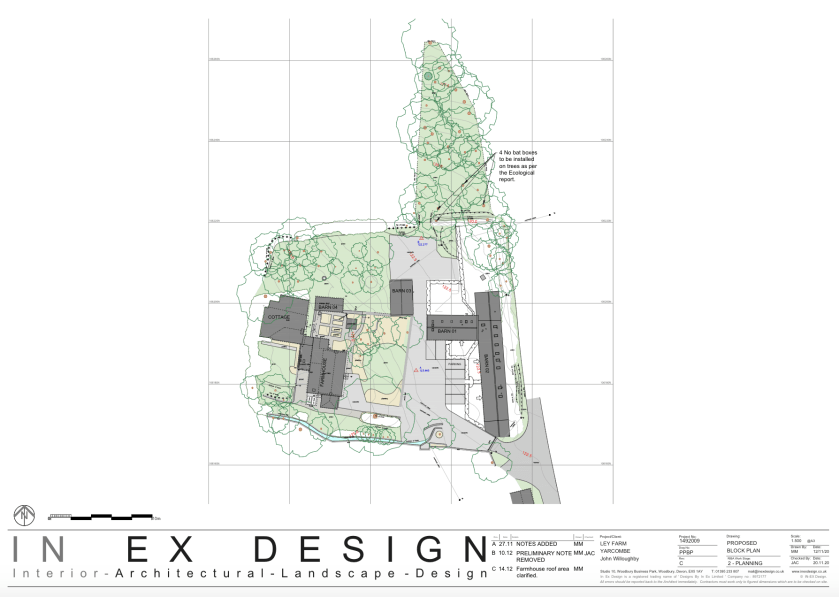
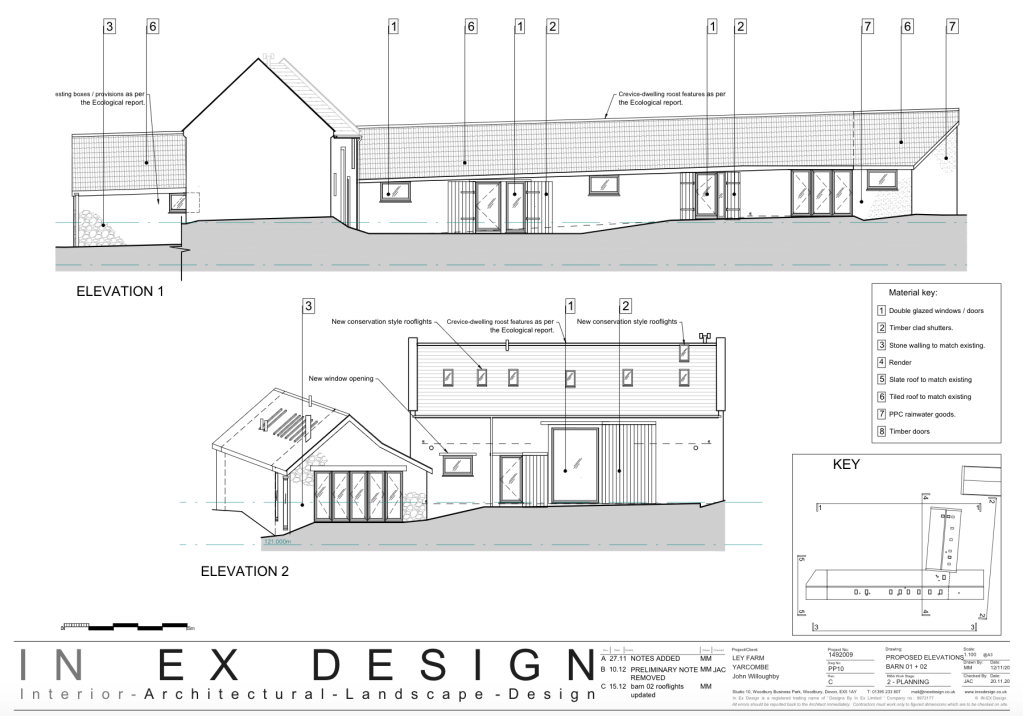
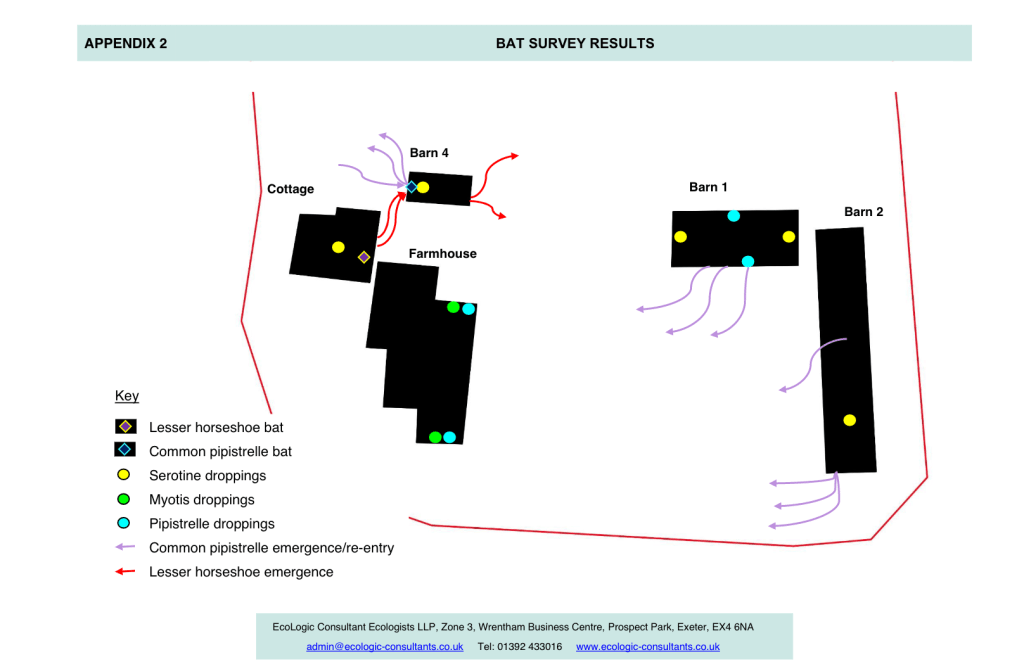
The Ecological and Bat Emergence Survey gave us a more in-depth knowledge of the vegetation across the site – from weeds right up to trees, and planted through to naturally-occurring. It also confirmed our resident bat species (no greater horseshoe bats but instead a long-eared myotis alongside the lesser horseshoe, common pipistrelle and serotines we already knew about). Our garden is full of birds every day (although not quite the 107 species known to be in the area); and a number of them have already taken up winter residence in our barns and shed. The ecological survey outlines the steps we have to take to protect the roosts and nests, including installing new homes and void spaces for bats, insects and birds around the site. The downside is that we need to get a bat license to carry out the building works – which can add up to 6 weeks to our timeline.
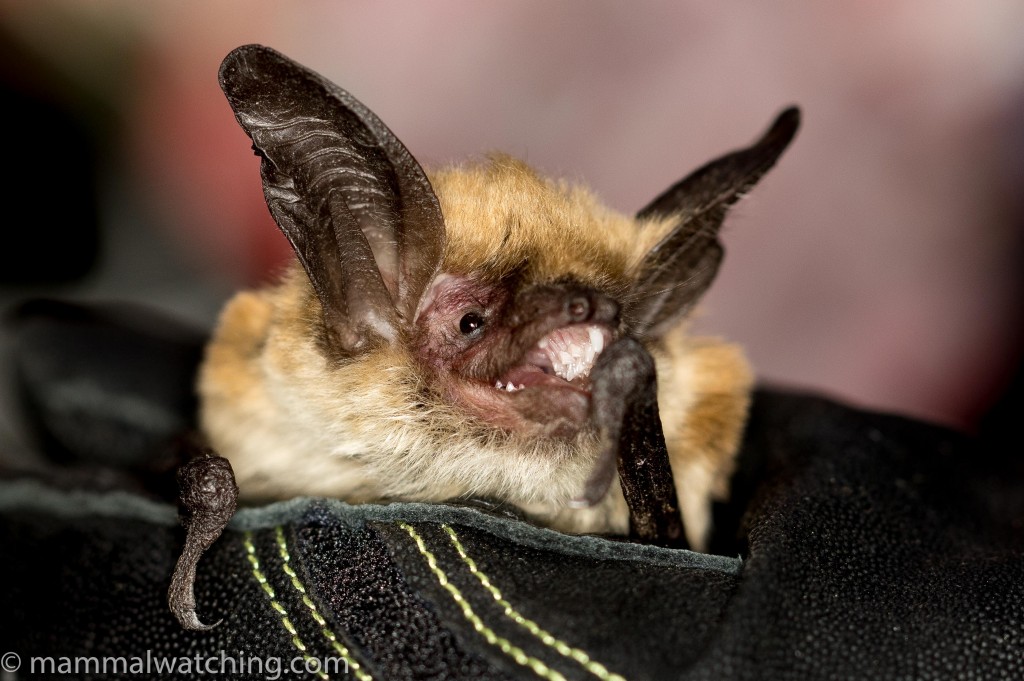
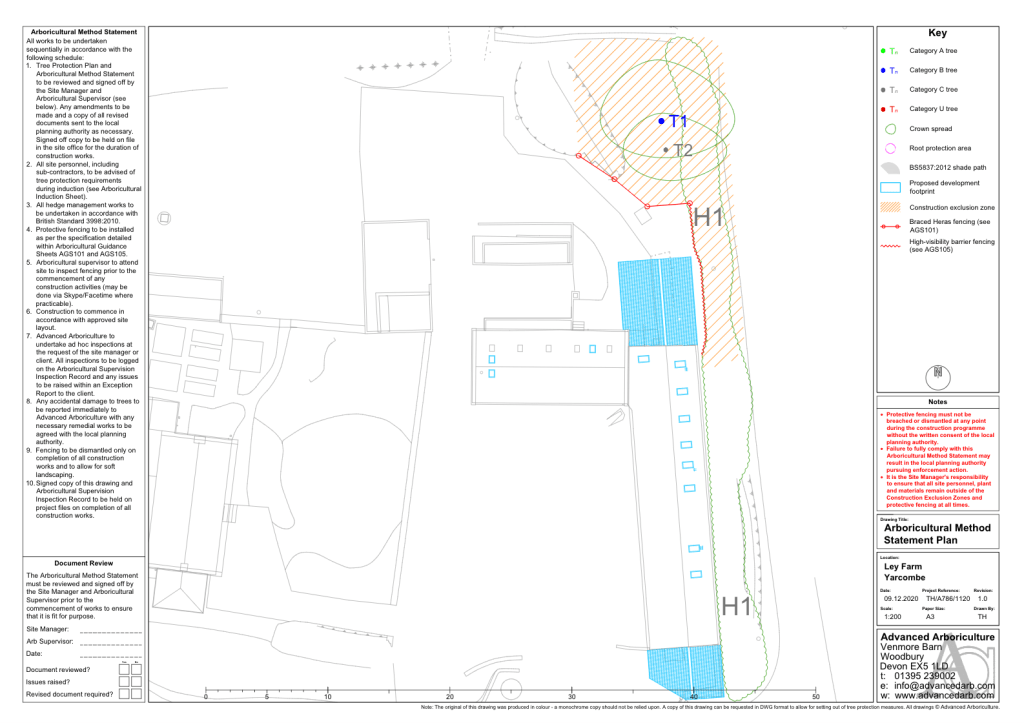
It’s also comforting to see how much protection the natural environment is given throughout the build. We’ll have people on site to relocate any bats found during the works, and trees/hedgerows next to the build site will be fenced off. Guidelines are given about looking out for hidden badgers and hedgehogs (known to be in the area) and not disturbing them; and we’ll need to have a long-term ‘wildlife sensitive lighting plan’ so the animals can scurry around in hedgerows unseen by predators.
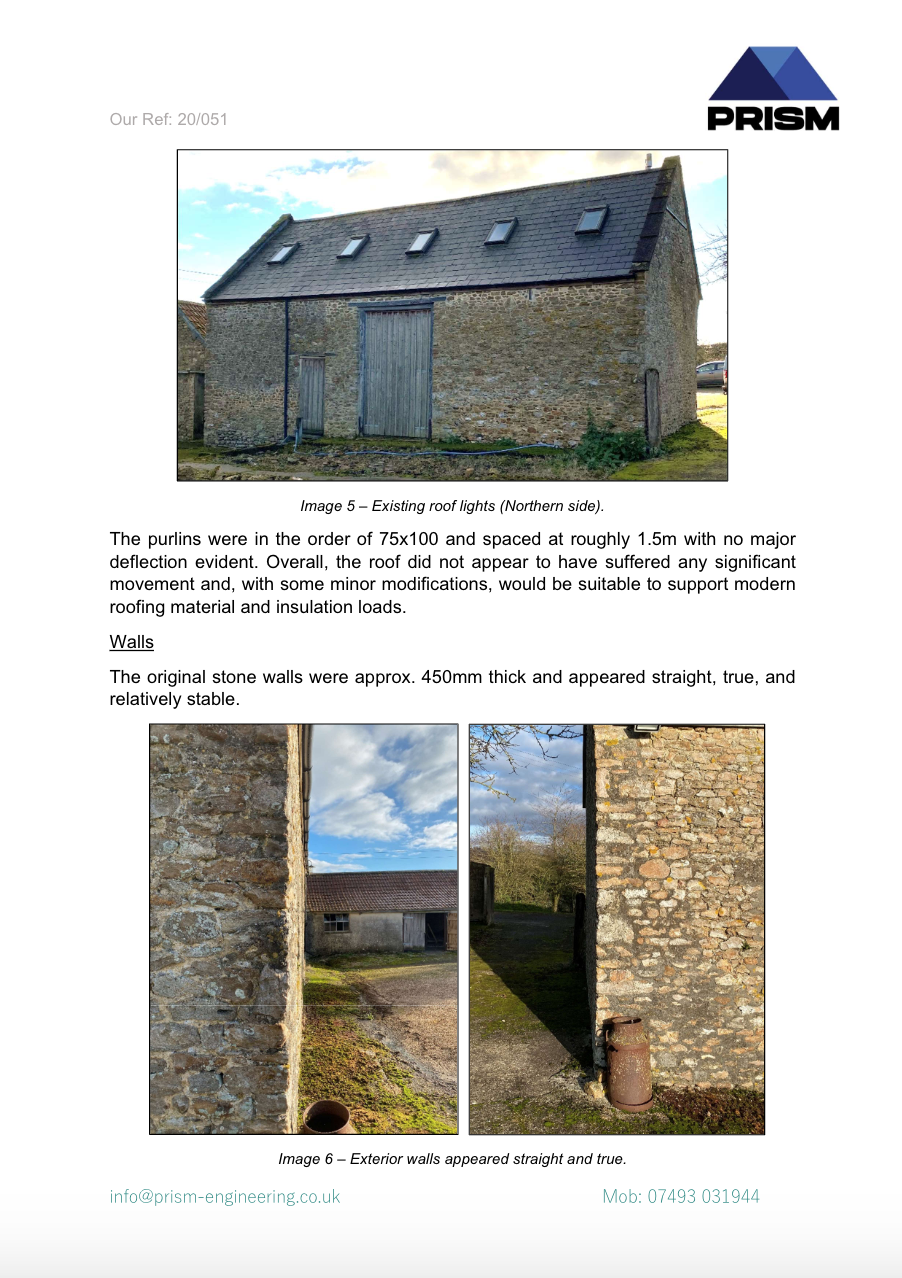
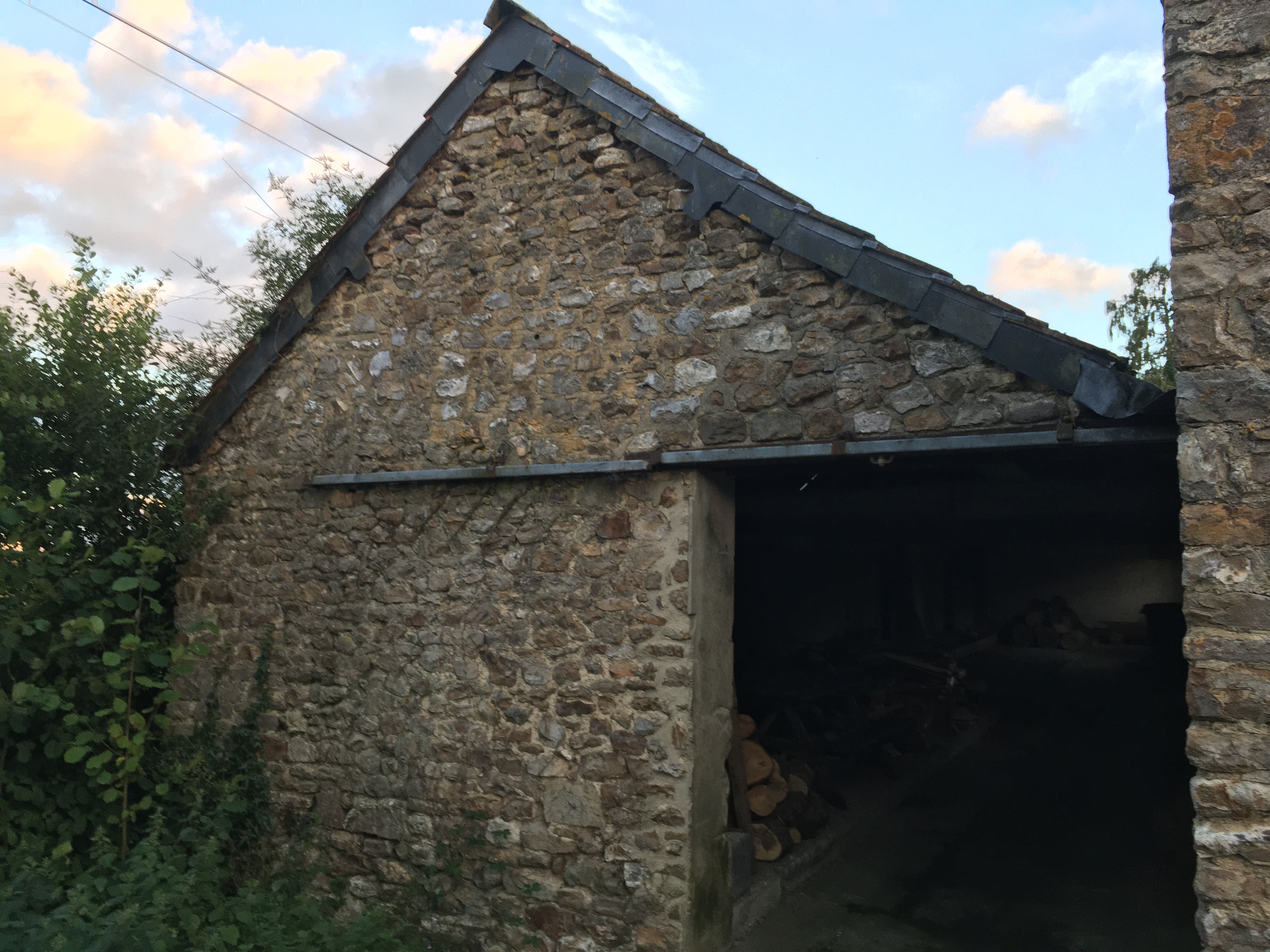
The structural survey came back fairly positively, with most of the barns in good condition and only damaged from being open to the elements (one of the reasons we want to get on and restore them quickly). The third barn has been left to fall derelict and is a real eyesore – by rebuilding this in a similar style to the rest of the site and turning this into our multi-purpose space, we hope to radically improve the area. Otherwise there’s some strengthening and repointing required of the old walls & beams, but nothing that would significantly scupper our plans.
Now we just have to wait to see what the council think, before moving to the next stage of detailed designs. Of course there’s still plenty we can get on with – our architect has provided us with a timeline of next steps so we can look for opportunities to speed things up with limited risk. With time constraints around additional bat surveys, bat licenses, and nesting season, we need to plan the next five months very carefully indeed…
 Ley Farm Cottages
Very interesting read. A lot of attention given to all the requirements. Good luck and keeping fingers crossed that your plans are accepted without any added conditions
LikeLike